How to Increase Community Participation in Waste Bank Programs?
Gusti Ayu Tita P
20 Agustus 2026
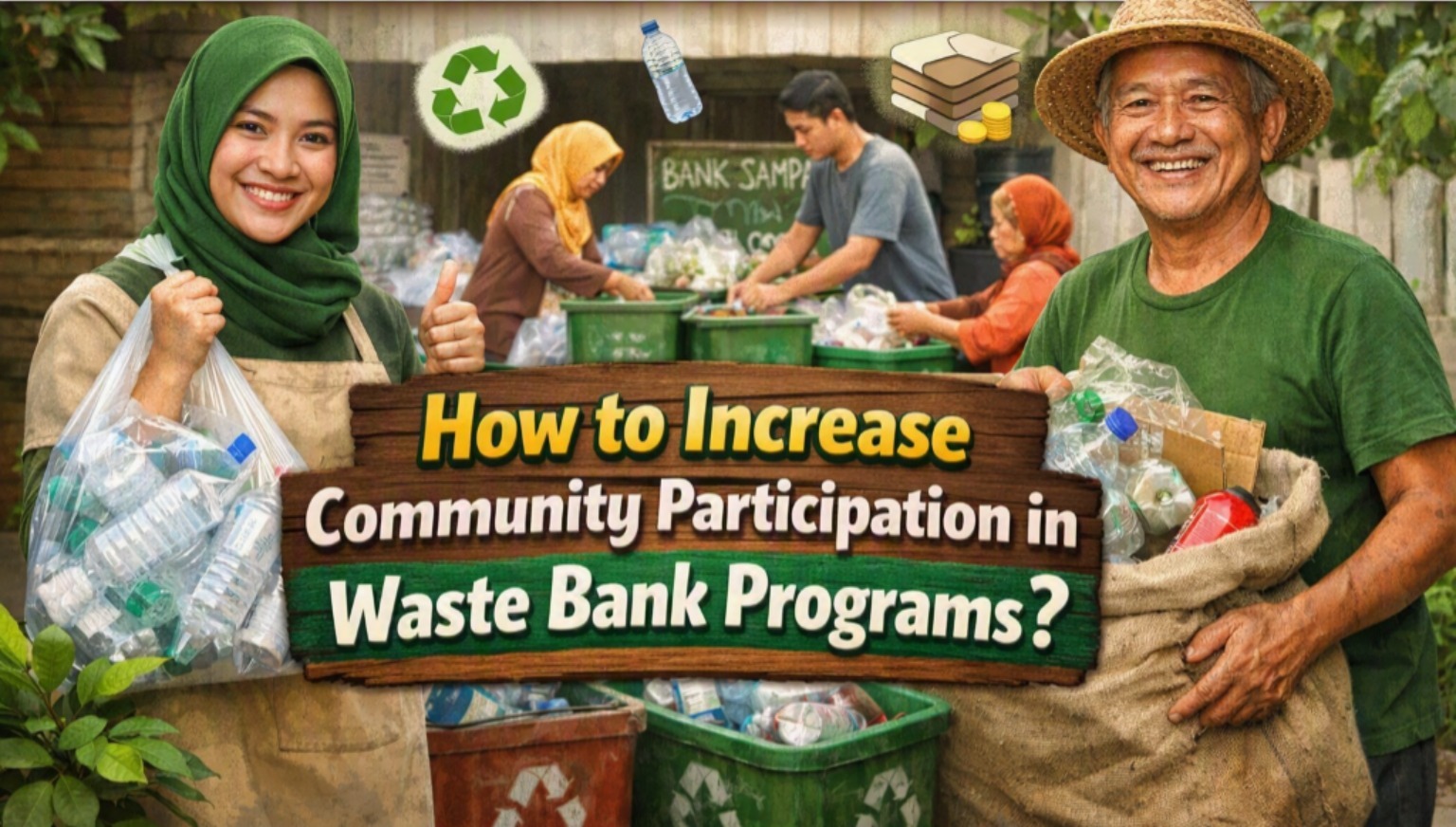
Waste banks are an important community-based approach to waste management and environmental sustainability. Through waste bank programs, residents can sort recyclable materials, deliver them to collection points, and receive economic benefits based on the value of the waste they collect. However, the success of a waste bank depends not only on its management but also on active community participation. When more residents understand the benefits and participate consistently, waste banks can reduce waste while creating social and economic value.
UNDERSTANDING THE IMPORTANCE OF COMMUNITY PARTICIPATION
Community participation is the foundation of an effective waste bank program because waste management begins at the household level. Residents are the ones who generate, sort, store, and deliver waste before it reaches the waste bank. Without regular participation, even a well-organized waste bank may struggle to collect enough recyclable materials. Therefore, communities need to understand that their daily actions have a direct impact on the success of the program. Public awareness can encourage residents to view waste not simply as something to throw away but as a resource that can still have value.
Participation also creates broader benefits for the neighborhood. Regular waste sorting can help reduce the amount of waste sent to final disposal sites and support recycling activities. At the same time, waste banks can provide opportunities for residents to earn additional income from recyclable materials. These combined environmental and economic benefits can make participation more meaningful and sustainable.
PROVIDE SIMPLE AND PRACTICAL WASTE SORTING EDUCATION
One of the most effective ways to increase participation is to provide simple waste sorting education. Many people may want to participate but do not know which materials can be collected, how they should be separated, or how they should be stored. Waste bank managers can provide clear explanations about common recyclable materials such as paper, cardboard, plastic bottles, cans, and other accepted materials. The information should be delivered using simple language and practical examples that residents can apply at home. Short demonstrations can also help people understand the sorting process more easily.
Educational activities should not be limited to formal meetings. Managers can use posters, community groups, social media, neighborhood announcements, and short videos to share information regularly. Clear guidelines should explain what materials are accepted, how they should be prepared, and when residents can deposit them. Consistent communication can prevent confusion and help residents develop waste sorting as a daily habit.
MAKE THE WASTE BANK EASY TO ACCESS
Accessibility strongly influences whether people are willing to participate in a waste bank. If residents have to travel too far or follow complicated procedures, they may lose motivation to deposit their recyclable waste. Waste banks should therefore provide convenient collection schedules and accessible collection points whenever possible. Collection services can also be considered for neighborhoods where residents have difficulty reaching the main waste bank location. The easier the process is, the more likely residents are to participate regularly.
Waste bank managers can also establish fixed collection days that are easy to remember. For example, residents could be encouraged to bring sorted waste on a specific day each week or month. Clear operating hours, collection rules, and contact information should be communicated to all participants. Convenience and consistency can turn occasional participation into a long-term community habit.
SHOW CLEAR ECONOMIC BENEFITS
Economic incentives can be a strong motivation for residents to join and remain active in waste bank programs. Participants can receive financial value for recyclable materials according to the type, quality, and applicable local pricing system. Waste banks may record deposits in individual savings accounts or use other transparent systems that allow participants to monitor their accumulated value. This approach helps residents see that recyclable waste has economic value. However, financial benefits should be presented as one part of the program rather than the only reason to participate.
Transparency is essential when financial incentives are involved. Managers should clearly explain how waste is weighed, how prices are determined, and how participant balances are recorded. Regular reporting can strengthen community trust and reduce misunderstandings. When residents believe that the system is fair and accountable, they are more likely to continue participating.
INVOLVE LOCAL LEADERS AND COMMUNITY GROUPS
Local leaders can play an important role in encouraging residents to participate. Neighborhood leaders, community organizations, schools, youth groups, religious or social organizations, and local businesses can help spread information about the waste bank. Their involvement can make the program more visible and demonstrate that waste management is a shared responsibility. Community leaders can also encourage residents to participate during meetings and local activities. Support from trusted figures can make people more comfortable trying the program for the first time.
Partnerships with schools can be particularly useful because students can introduce waste sorting habits to their families. Youth groups can organize environmental campaigns, collection events, or creative recycling activities. Local businesses can support the program through sponsorship, collection partnerships, or the use of recyclable materials. Collaboration across community groups can expand the reach of the waste bank and create stronger local support.
CREATE REWARDS AND COMMUNITY ACTIVITIES
Rewards can help maintain enthusiasm, especially when they are combined with environmental education and social activities. Waste banks can organize recognition programs for households that consistently deposit recyclable materials or demonstrate good sorting practices. Rewards do not always need to be financial because certificates, public recognition, educational activities, or useful household items can also encourage participation. The purpose is to create a positive experience around responsible waste management. A friendly and inclusive approach can prevent the program from feeling like an obligation.
Community activities can make participation more engaging. Waste banks can organize clean-up campaigns, recycling workshops, competitions, environmental discussions, or creative activities using recyclable materials. Such events allow residents to meet one another while learning practical waste management skills. Positive social experiences can strengthen community relationships and encourage people to stay involved.
USE DIGITAL TOOLS FOR COMMUNICATION AND MONITORING
Digital technology can make waste bank management more efficient and transparent. Managers can use messaging applications and social media to announce collection schedules, share educational information, and remind residents about deposit days. Digital records can also help managers track participant deposits, material volumes, and financial balances when suitable systems are available. Digital communication makes it easier to reach residents quickly and maintain regular interaction. However, digital tools should complement rather than replace direct communication, especially for residents who have limited access to technology.
Simple digital systems can also improve transparency. Participants may receive information about their deposits, accumulated balances, or program activities through appropriate digital channels. Managers can use collected data to identify participation trends and determine which activities need improvement. Data-based management can help waste banks make better decisions and measure the progress of their programs.
BUILD TRUST THROUGH TRANSPARENT MANAGEMENT
Trust is one of the most important factors in maintaining long-term community participation. Residents need confidence that their recyclable materials are weighed correctly, their records are accurate, and program finances are managed responsibly. Waste bank managers should establish clear procedures for weighing, recording, storing, and selling recyclable materials. Regular financial and activity reports can help demonstrate transparent management. When problems occur, managers should communicate openly and seek practical solutions with participants.
Good management also requires clear responsibilities among organizers. Each person involved should understand their role, from collection and weighing to recording and reporting. Feedback from residents should be welcomed because participants may identify problems that managers do not notice. Accountability and open communication can strengthen relationships between organizers and residents. Over time, trust can become a major foundation for sustainable participation.
MEASURE PARTICIPATION AND IMPROVE THE PROGRAM
A waste bank should regularly evaluate whether its community engagement strategies are working. Useful indicators may include the number of active participants, frequency of deposits, volume of recyclable materials collected, and participation in community activities. Managers can compare these indicators over time to identify improvements or challenges. Program evaluation helps prevent waste bank activities from continuing without clear evidence of their effectiveness. The results can then be used to adjust collection schedules, educational programs, rewards, or communication methods.
Residents should also have opportunities to provide feedback. Short surveys, community discussions, suggestion forms, or informal conversations can reveal why some people participate while others do not. If residents find the process inconvenient, managers can consider changing the collection system or schedule. If awareness is low, additional education may be necessary. Continuous improvement ensures that the waste bank remains relevant to the needs of the community.
CONCLUSION
Increasing community participation in waste bank programs requires more than simply asking residents to sort their waste. Communities need clear education, convenient services, transparent management, meaningful incentives, and consistent communication. Local leaders, schools, businesses, and community organizations can also strengthen participation through collaboration and environmental campaigns. When residents understand both the environmental and economic benefits, waste sorting can gradually become part of everyday life.
A successful waste bank is ultimately built through collective action and long-term trust. By making participation easy, rewarding, and meaningful, waste bank managers can encourage more residents to become active contributors. Strong participation can help reduce recyclable waste sent to disposal facilities, support recycling, and create greater environmental awareness. With consistent management and community cooperation, waste banks can become an important part of a more sustainable local waste management system.
Tentang Penulis
Gusti Ayu Tita P
Penulis — Universitas STEKOM
Penulis aktif yang berfokus pada isu-isu akademik, teknologi pendidikan, dan pengembangan sumber daya manusia di lingkungan kampus.