How to Keep Your Personal Belongings Safe at a Train Station?
Gusti Ayu Tita P
10 Agustus 2026
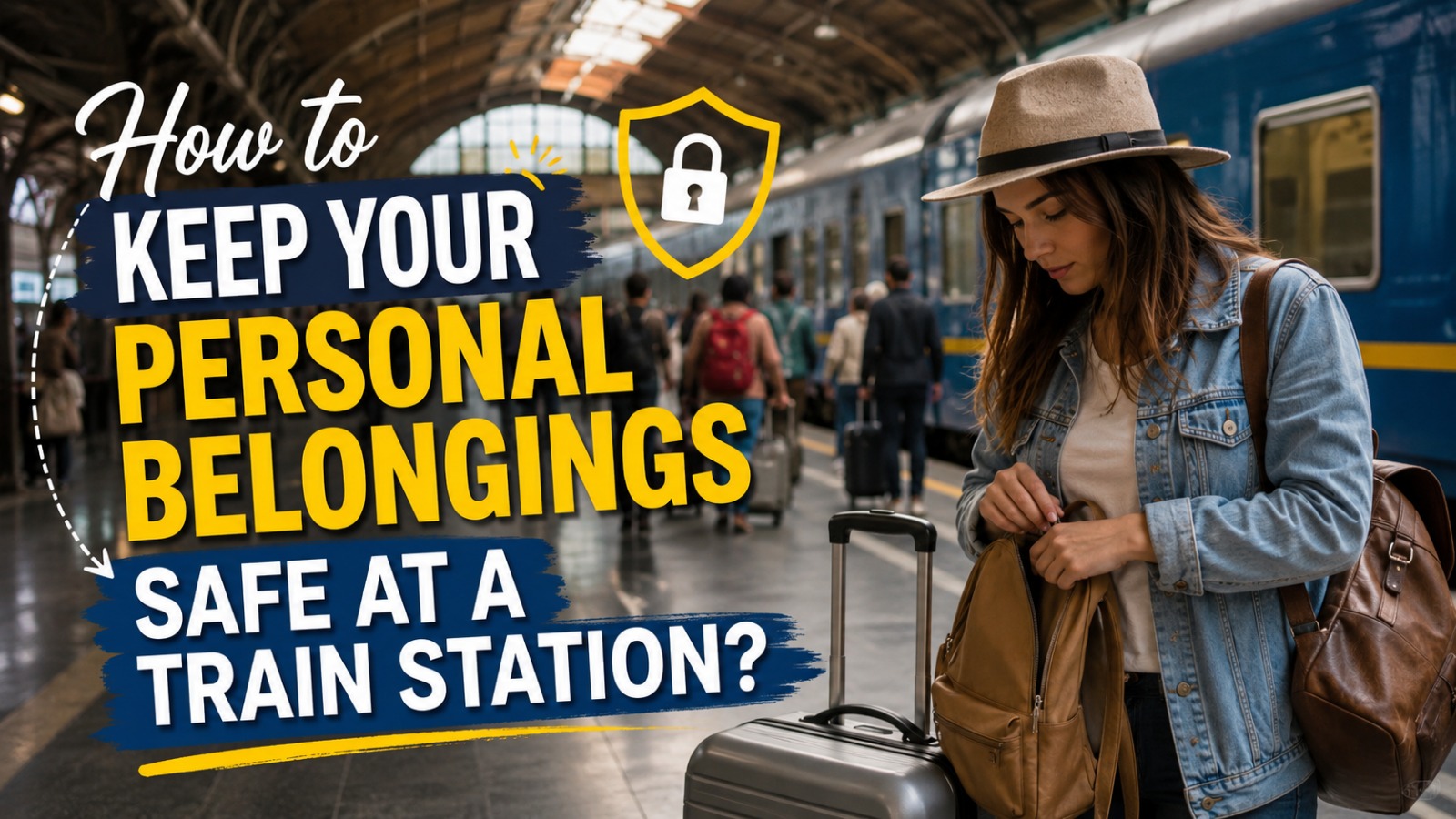
Train stations can become crowded, especially during peak hours, weekends, and holiday periods. In busy environments, passengers need to pay attention to their personal belongings to reduce the risk of loss or theft. Bags, wallets, phones, identification documents, and electronic devices should always be handled carefully. Simple precautions can make a significant difference when traveling through a crowded station. By staying alert and organizing belongings properly, passengers can enjoy a safer and more comfortable journey.
KEEP YOUR BELONGINGS CLOSE
One of the simplest ways to protect your belongings is to keep them close to your body. Avoid placing valuable items in open pockets or leaving bags far away while waiting for a train. Backpacks can be worn securely, while handbags should remain within your direct reach. Keeping important items close makes it easier to notice if someone attempts to take them.
Passengers should be especially careful when moving through crowded entrances, ticket gates, escalators, and platforms. Crowded areas can make it difficult to notice accidental drops or unauthorized handling of belongings. Awareness is your first layer of protection when traveling in public places. Regularly checking your bag can also help ensure that everything remains secure.
SECURE YOUR VALUABLE ITEMS
Valuable items such as phones, wallets, cash, identification documents, and bank cards should be stored securely. Use bags with reliable zippers or compartments that can be closed properly. Avoid displaying expensive devices unnecessarily in crowded public areas. Keeping valuables out of sight can reduce unwanted attention.
Passengers should also avoid carrying excessive amounts of cash when electronic payment options are available and appropriate. Important documents should be kept in a secure compartment rather than loosely placed inside a bag. Before leaving home, consider which valuables are genuinely necessary for the journey. Carrying only essential valuables can reduce potential losses.
USE YOUR BAG PROPERLY IN CROWDED AREAS
The way passengers carry their bags can affect both security and convenience. In crowded areas, wearing a backpack on the front of the body can make it easier to monitor. Handbags should remain closed and positioned where they can be seen. Large luggage should be kept under control rather than left unattended.
When sitting in a waiting area, avoid placing valuable bags on the floor where they may be difficult to monitor. If you need to put a bag beside you, keep it within reach and maintain visual contact. Good bag positioning can make it more difficult for belongings to be accidentally or intentionally taken. Always adjust your luggage according to the environment around you.
AVOID LEAVING BELONGINGS UNATTENDED
Passengers should never leave valuable belongings unattended in public areas. Even if you plan to step away for only a few minutes, take your phone, wallet, identification, and other important items with you. Unattended luggage can also create security concerns and may be treated as suspicious by station personnel. Keeping your belongings with you is the safest general practice.
If you need assistance with luggage, ask authorized station staff rather than relying on strangers. Some stations may provide designated luggage storage or related services. Follow the station's official rules when using such facilities. Never leave important belongings unattended simply because the station appears safe.
BE CAREFUL WHEN USING YOUR PHONE
Smartphones are essential travel tools, but using them excessively can reduce awareness. Passengers may become distracted while checking messages, watching videos, or using navigation applications. This can make it easier to overlook their surroundings or accidentally leave a device behind. Stay aware of your environment whenever using a phone in a crowded station.
When using your phone, keep it securely in your hand and avoid placing it casually on seats, tables, or other public surfaces. Before moving to another location, check that you still have your device. Passengers should also avoid revealing sensitive information, such as passwords or payment details, in crowded areas. Responsible phone use can improve both security and privacy.
PROTECT IMPORTANT DOCUMENTS
Travel documents can be difficult to replace, so they require special attention. Depending on the journey, passengers may need identification documents, tickets, payment cards, visas, or other travel records. These items should be stored in a secure and easily accessible location. Avoid placing important documents in external pockets that can open easily.
Digital copies of important documents may also be useful as backups when appropriate, although they should not replace documents that are legally required in physical form. Passengers should understand the requirements of their specific journey before traveling. Document security is particularly important for long-distance or international travel. A quick document check before leaving each area can prevent unnecessary problems.
STAY ALERT IN CROWDED LOCATIONS
Crowded areas require extra attention because passengers may become distracted by queues, announcements, luggage, and other travelers. Be especially careful around ticket gates, escalators, platforms, entrances, and exits. Keep bags closed and valuables secured while moving through these areas. Avoid placing important belongings in easily accessible pockets.
Passengers should also be cautious if someone unexpectedly distracts them or creates an unusual situation. This does not mean every interaction is suspicious, but maintaining awareness is sensible in crowded public spaces. If something feels unsafe, move toward a more populated or supervised area. Situational awareness is an important part of personal security.
USE OFFICIAL STORAGE SERVICES
Some larger train stations provide official luggage storage or locker facilities. These services can be useful when passengers need to move around without carrying heavy bags. Before using a storage facility, check the station's official rules, operating hours, fees, and security procedures. Keep the storage receipt or access information safe when required.
Passengers should only use authorized storage facilities. Avoid handing valuable belongings to unofficial individuals who claim to offer luggage storage. If you are unsure about a service, ask station staff for confirmation. Official storage options provide a more reliable alternative to leaving luggage unattended.
BE CAREFUL WHEN BOARDING AND EXITING
Boarding and exiting a train can be particularly busy. Passengers should keep their bags secure and make sure they have all their belongings before moving away from the platform. Avoid rushing because haste can cause items to fall or be forgotten. Check your seat and surrounding area before leaving the train.
Passengers carrying multiple bags should count them before entering and after leaving the train. Small items such as phones, wallets, chargers, and headphones are easy to overlook. A quick final check can prevent belongings from being left behind. Developing this habit is especially useful during crowded journeys.
REPORT LOST OR SUSPICIOUS ITEMS
If you lose something, report it as soon as possible to official station staff or the railway operator's lost and found service. Provide accurate information about the item, location, and approximate time when it was last seen. Acting quickly may increase the chance of recovering the belongings. Avoid confronting people you suspect of taking your property.
If you notice suspicious unattended luggage or behavior, inform authorized station personnel or security staff. Do not attempt to open, move, or investigate suspicious objects yourself. Follow official safety instructions if staff provide them. Professional assistance is safer than handling security concerns alone.
CONCLUSION
Keeping personal belongings safe at a train station requires attention, organization, and responsible habits. Passengers should keep valuables close, secure their bags, avoid leaving belongings unattended, and remain alert in crowded areas. Important documents and electronic devices deserve additional protection because replacing them can be difficult. Using official luggage services and reporting lost or suspicious items to authorized staff can provide additional support. By taking simple precautions throughout the journey, passengers can reduce risks and travel with greater confidence.
Tentang Penulis
Gusti Ayu Tita P
Penulis — Universitas STEKOM
Penulis aktif yang berfokus pada isu-isu akademik, teknologi pendidikan, dan pengembangan sumber daya manusia di lingkungan kampus.