
How to Maintain Safety and Comfort in an Apartment?
Gusti Ayu Tita P
5 September 2026
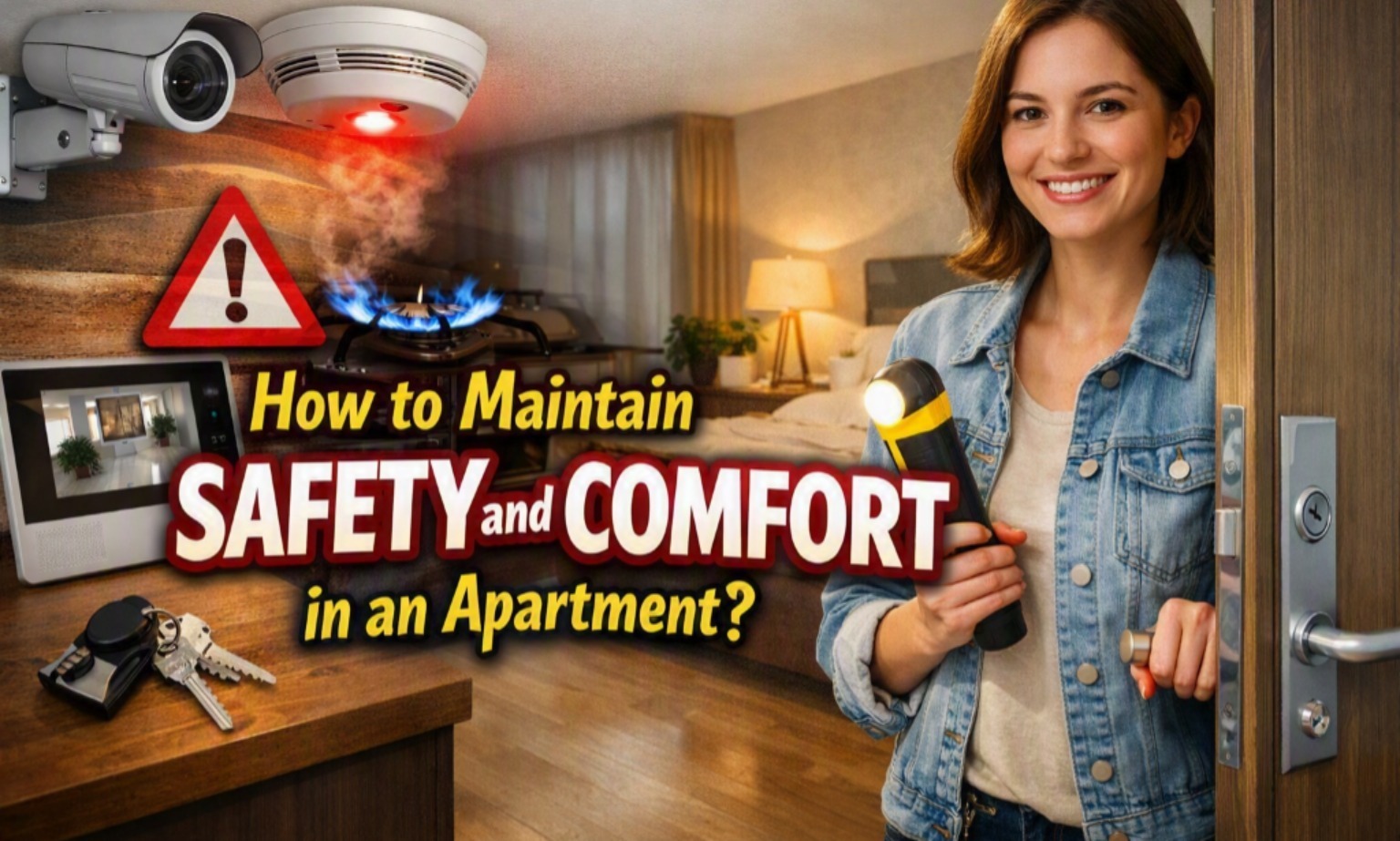
Living in an apartment can be safe, practical, and comfortable when residents understand how to maintain their space properly. Unlike a landed house, an apartment has shared facilities, common areas, elevators, parking spaces, and building management systems. These conditions mean that residents need to pay attention not only to their own unit but also to the surrounding environment. Simple habits such as keeping the apartment clean, checking electrical equipment, and understanding emergency procedures can prevent many problems. With the right routine, residents can create a home that feels secure, healthy, organized, and pleasant every day.
KEEP THE APARTMENT CLEAN AND ORGANIZED
A clean and organized apartment is one of the easiest ways to maintain comfort and reduce safety risks. Keep floors, hallways, kitchens, and bathrooms free from unnecessary objects that could cause someone to trip or fall. Store sharp tools, cleaning products, medicines, and other potentially dangerous items in appropriate places, especially when children or pets live in the apartment. Regular cleaning also helps reduce dust, unpleasant odors, mold, and the buildup of dirt in frequently used areas. Good organization makes it easier to find important items and move around the apartment safely.
Pay special attention to areas that are often exposed to moisture, such as bathrooms, kitchens, balconies, and laundry spaces. Clean spills immediately because wet floors can become slippery and increase the risk of accidents. Check under sinks and around windows for signs of leaks, dampness, or mold. Dispose of household waste regularly so that it does not attract insects or create unpleasant smells. A consistent cleaning routine can make the apartment feel more comfortable while also helping residents notice problems before they become serious.
CHECK ELECTRICAL AND FIRE SAFETY
Electrical safety is an important part of apartment living because overloaded outlets, damaged cables, and poorly maintained equipment can create fire risks. Avoid connecting too many high-power appliances to one outlet or power strip. Regularly inspect cables, plugs, and chargers for visible damage, overheating, or unusual smells. Unplug appliances that do not need to remain connected, particularly devices that generate significant heat. Residents should also follow the building's rules regarding electrical equipment and report damaged electrical facilities to management.
Every resident should understand the location of fire extinguishers, fire alarms, emergency exits, and evacuation routes in the building. Never block a corridor, staircase, or emergency exit with furniture, bicycles, boxes, or other belongings. Learn the building's emergency procedures before an actual incident occurs, because knowing what to do can reduce panic during an emergency. If a fire occurs, residents should follow the building's evacuation instructions and contact emergency services when appropriate. Regularly checking smoke alarms inside the unit, where provided, is also an important safety habit.
SECURE DOORS WINDOWS AND ACCESS POINTS
Keeping doors and windows secure helps protect residents and their belongings from unauthorized access. Always lock the main apartment door when leaving the unit, even for a short period. Check that door locks, handles, peepholes, and other security features work properly and report defects to the building management or landlord. Do not casually share access cards, keys, entry codes, or other building credentials with people who are not authorized to use them. Residents should also be cautious when allowing unfamiliar visitors into restricted areas of the building.
Windows and balconies require additional attention because they can create fall and security hazards if they are not properly maintained. Do not place unstable furniture or objects near balcony edges where they could fall. Avoid leaning over railings or allowing children to play near unprotected windows and balconies. If a window, railing, lock, or balcony structure appears damaged, report it promptly instead of attempting an unsafe repair. These simple precautions can help make the apartment safer without reducing its comfort.
MAINTAIN AIR QUALITY AND TEMPERATURE
Good air quality has a major effect on comfort inside an apartment. Open windows when appropriate to improve ventilation, provided that doing so is safe and permitted by the building. Use kitchen exhaust fans or ventilation systems when cooking to reduce smoke, moisture, and strong odors. Clean air-conditioning filters regularly according to the manufacturer's instructions because dirty filters can reduce performance and contribute to poor indoor air quality. If there is persistent dampness, condensation, or mold, identify the source and contact building management when the problem involves the building itself.
Temperature should also be kept at a comfortable and reasonable level rather than relying excessively on heating or cooling equipment. Make sure air conditioners, fans, heaters, and other appliances are used according to their safety instructions. Keep ventilation openings clear so that equipment can operate properly. Avoid covering electrical appliances or placing them too close to materials that can easily catch fire. Proper ventilation and temperature control can make the apartment more pleasant while supporting a healthier indoor environment.
FOLLOW APARTMENT BUILDING RULES
Apartment buildings usually have shared rules designed to protect residents and maintain a comfortable environment. These rules may cover noise, waste disposal, parking, pets, smoking, shared facilities, renovations, and visitor access. Following them helps prevent conflicts and protects the condition of common areas. Residents should read the building's regulations and contact management if they are unsure about a particular requirement. Respecting these rules is especially important because one resident's actions can affect many other people.
Noise control is one of the simplest ways to improve relationships with neighbors. Avoid excessive noise, particularly during designated quiet hours established by the building. When moving furniture, using power tools, or carrying out other noisy activities, follow the building's permitted schedule. Keep shared areas clean and avoid leaving personal belongings in corridors, elevators, or other restricted spaces. Being considerate of neighbors creates a more peaceful living environment and makes apartment life more enjoyable for everyone.
KNOW EMERGENCY PROCEDURES AND CONTACTS
Every apartment resident should know what to do during fires, earthquakes, power failures, water leaks, or other emergencies. Save the contact information for building management, security staff, maintenance services, and local emergency services in an easily accessible place. Identify the nearest safe evacuation route and know where residents are expected to gather after an evacuation. Keep essential items such as identification, medication, a flashlight, and basic emergency supplies in an accessible location. Preparation is valuable because emergencies can happen unexpectedly and may make normal communication or movement more difficult.
Residents should also report hazards and building damage as soon as they notice them. Examples include broken lights, slippery floors, damaged railings, leaking pipes, malfunctioning elevators, blocked exits, or suspicious activity. Do not ignore a small problem simply because it does not appear urgent. Prompt reporting allows the responsible party to assess the situation and take appropriate action. Good communication between residents and building management can significantly improve overall safety and comfort.
CREATE A COMFORTABLE DAILY LIVING ENVIRONMENT
Safety is important, but an apartment should also provide a comfortable living environment. Arrange furniture so that there is enough space to walk easily without blocking doors, windows, ventilation systems, or emergency equipment. Use suitable lighting in rooms, hallways, bathrooms, and other areas where poor visibility could cause accidents. Keep frequently used belongings within easy reach so that residents do not need to climb on unstable chairs or furniture. A practical layout can make daily activities easier while reducing unnecessary risks.
Comfort can also be improved through regular maintenance and responsible habits. Check plumbing fixtures, appliances, air-conditioning systems, locks, and other household equipment periodically. Address small defects before they develop into expensive repairs or serious safety problems. Maintain a reasonable level of cleanliness and avoid storing excessive belongings that make the apartment difficult to use. By combining safety awareness, regular maintenance, and thoughtful organization, residents can enjoy an apartment that is both secure and comfortable.
CONCLUSION
Maintaining apartment safety does not require complicated measures or expensive equipment. The most effective approach is to develop consistent daily habits, such as locking doors, keeping floors dry, checking electrical equipment, and following building regulations. Residents should also understand emergency procedures and maintain good communication with building management. Paying attention to small warning signs can prevent many problems from becoming larger emergencies. Most importantly, safety should be treated as an ongoing responsibility rather than something to consider only after an accident happens.
A comfortable apartment is created through a balance of cleanliness, security, maintenance, ventilation, and consideration for others. Every resident has a role in protecting their own unit and helping maintain safe shared spaces. When these habits become part of everyday life, apartment living can be more peaceful, convenient, and enjoyable. Simple preventive actions are often more effective than waiting until a problem requires a major solution.
Tentang Penulis
Gusti Ayu Tita P
Penulis — Universitas STEKOM
Penulis aktif yang berfokus pada isu-isu akademik, teknologi pendidikan, dan pengembangan sumber daya manusia di lingkungan kampus.















