How to Manage Impulsive Behavior Through Better Self Control?
Gusti Ayu Tita P
31 Agustus 2026
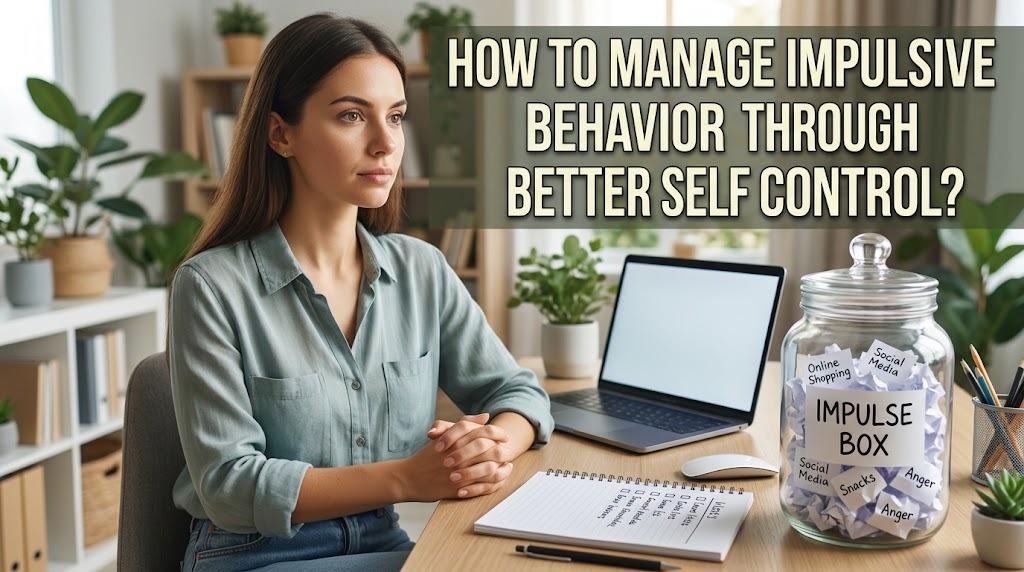
Impulsive behavior can make people act quickly without thinking about the possible consequences. While spontaneous decisions are not always harmful, repeated impulsive actions can create problems in personal life, relationships, education, and work. Self control helps individuals pause, understand their emotions, and consider better choices before taking action. Developing this ability does not mean suppressing every feeling or becoming overly rigid. Instead, it means learning how to respond thoughtfully rather than reacting automatically.
UNDERSTANDING IMPULSIVE BEHAVIOR
Impulsive behavior refers to actions that happen quickly without sufficient consideration of their consequences. Examples include making unnecessary purchases, responding angrily to criticism, interrupting conversations, overeating, or making sudden decisions based on temporary emotions. These behaviors can be influenced by stress, excitement, frustration, boredom, or strong desires. Everyone may act impulsively from time to time, but frequent impulsive behavior can interfere with long-term goals. Understanding what triggers impulsive actions is therefore an important first step toward managing them.
The goal is not to eliminate every spontaneous reaction. Some quick decisions can be useful in everyday situations, especially when a person has enough experience to respond appropriately. The problem occurs when an immediate reaction repeatedly creates negative consequences. Recognizing personal patterns and triggers can make it easier to identify situations that require greater self-control.
IDENTIFYING PERSONAL TRIGGERS
Managing impulsive behavior becomes easier when people know what usually causes their reactions. Common triggers may include stress, fatigue, anger, anxiety, boredom, social pressure, and emotional discomfort. Certain environments can also encourage impulsive choices, such as online shopping platforms, distracting social media feeds, or stressful workplace situations. Keeping a simple record of impulsive moments can help reveal repeated patterns. Over time, this awareness can show when and why certain behaviors are most likely to occur.
Once triggers are identified, individuals can prepare strategies before difficult situations happen. For example, someone who tends to make unnecessary purchases when feeling stressed can avoid shopping apps during emotional moments. A person who often responds angrily during arguments can decide to take a short break before continuing the conversation. Preparation reduces the need to rely only on willpower when emotions become intense.
USING THE PAUSE BEFORE ACTING
One of the simplest ways to strengthen self-control is to create a short pause between an urge and an action. Instead of immediately following an impulse, take a few seconds to breathe and ask what could happen next. This small delay gives the brain an opportunity to move away from an automatic response and consider alternatives. Pausing does not require complicated techniques and can be practiced almost anywhere. With repetition, this habit can become a natural part of decision-making.
A useful approach is to ask questions such as, “Will this decision help me later?” or “What could happen if I do this now?” These questions encourage more deliberate thinking. For stronger emotional reactions, taking a short walk, drinking water, or moving away from the triggering situation may also help create mental space. The purpose of the pause is to regain control before making a decision, not to ignore the emotion itself.
BUILDING HEALTHY DAILY HABITS
Strong self-control is easier to maintain when daily routines support good decisions. Getting enough rest, organizing priorities, exercising regularly, and maintaining balanced routines can help people manage everyday demands more effectively. When individuals are exhausted or overwhelmed, resisting immediate urges may become more difficult. Creating a structured environment can therefore reduce unnecessary opportunities for impulsive behavior. Small and consistent habits are often more sustainable than sudden major changes.
It is also helpful to make desired behaviors easier and unwanted behaviors harder. For instance, someone trying to reduce unnecessary spending can remove saved payment information from shopping websites. A person who wants to focus on studying can keep distracting devices away during study sessions. These environmental changes reduce reliance on constant self-control. Changing the environment can support better choices before temptation becomes overwhelming.
PRACTICING MINDFUL DECISION MAKING
Mindful decision-making means paying attention to thoughts, emotions, and urges before responding to them. Instead of automatically following an emotional reaction, individuals can observe what they are feeling and consider whether acting on that feeling is useful. This approach can be particularly helpful when dealing with anger, frustration, or sudden temptation. Awareness creates a gap between an emotional urge and a deliberate response. With regular practice, people can become more comfortable recognizing emotions without immediately acting on them.
Another useful strategy is to connect short-term choices with long-term goals. Before making an impulsive decision, consider whether the action supports personal priorities. Someone saving money, for example, may think about their financial goal before buying something unnecessary. A student may remember an upcoming deadline before choosing entertainment over study time. Linking present actions to future consequences can strengthen motivation for self-control.
CONCLUSION
Managing impulsive behavior requires awareness, patience, and consistent practice. Self-control becomes stronger when individuals understand their triggers, create a pause before acting, develop supportive routines, and practice mindful decision-making. Mistakes are also a normal part of the learning process, so one impulsive action should not be treated as a complete failure. Instead, each experience can provide information about what needs to be improved. By practicing these strategies consistently, people can make more thoughtful choices and build healthier patterns that support their personal and professional goals.
Tentang Penulis
Gusti Ayu Tita P
Penulis — Universitas STEKOM
Penulis aktif yang berfokus pada isu-isu akademik, teknologi pendidikan, dan pengembangan sumber daya manusia di lingkungan kampus.