How to Manage Stress and Pressure in Adult Life?
Gusti Ayu Tita P
7 September 2026
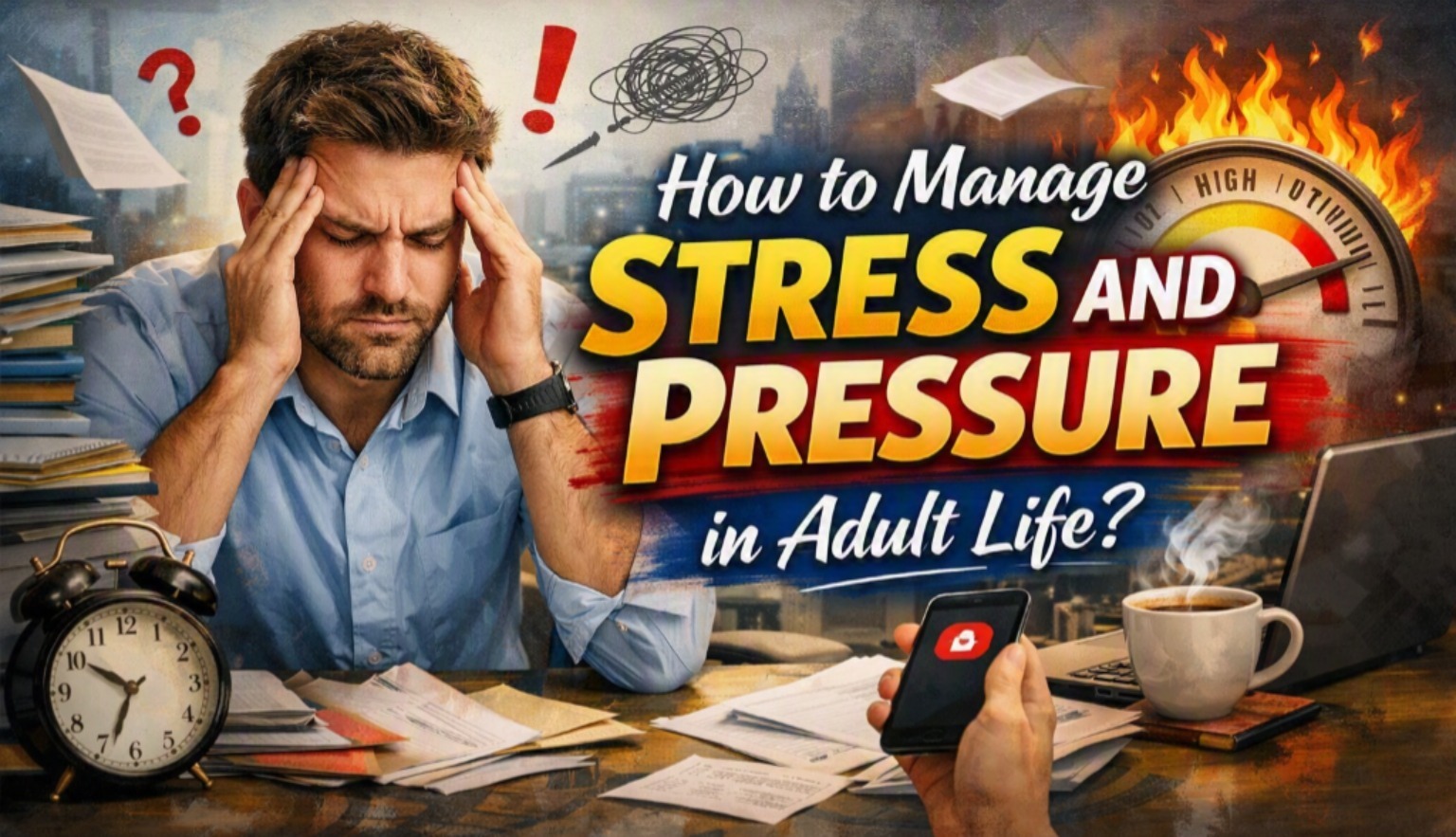
Adult life often comes with many responsibilities, such as work, financial needs, family matters, relationships, and personal goals. When several demands appear at the same time, it is normal to feel stress and pressure. However, stress that is ignored for too long can affect concentration, sleep, mood, and daily productivity. Learning how to manage stress is therefore an important part of maintaining a healthy and balanced life. With practical habits and realistic expectations, adults can handle pressure without feeling overwhelmed.
UNDERSTAND WHAT CAUSES STRESS
The first step in stress management is identifying what creates pressure in your daily life. Common causes include heavy workloads, financial concerns, relationship problems, lack of rest, major life changes, and uncertainty about the future. Some stressors can be solved directly, while others may require time and adjustment. Understanding the source of stress can help you decide what needs immediate attention and what can be handled gradually. Writing down your main concerns can also make problems feel more organized and easier to evaluate.
It is also important to recognize your personal stress signals. These may include irritability, difficulty concentrating, headaches, muscle tension, changes in sleep, or constantly feeling tired. Everyone responds to pressure differently, so noticing changes in your own behavior and body can help you take action earlier. Instead of ignoring these signs, consider them a reminder to slow down and review your current situation. Early awareness can prevent everyday stress from becoming increasingly difficult to manage.
CREATE A REALISTIC DAILY ROUTINE
A structured routine can make adult responsibilities feel more manageable. Start by identifying the most important tasks and completing them according to their level of priority. Avoid filling every hour with activities because excessive scheduling can create additional mental pressure. Leave enough time for meals, rest, personal activities, and unexpected situations. A realistic routine should support your life rather than make you feel controlled by a long list of tasks.
Another useful strategy is to break large responsibilities into smaller steps. A major project, financial goal, or household responsibility can feel intimidating when viewed as one large task. Dividing it into manageable actions can reduce mental overload and create a clearer sense of progress. You can also use a calendar, notebook, or digital task manager to organize important commitments. Having a clear plan can reduce the feeling that everything must be handled at once.
TAKE CARE OF YOUR PHYSICAL HEALTH
Physical health has an important connection with how the body responds to stress. Regular physical activity can help improve mood and release built-up tension, even when the activity is as simple as walking, stretching, or cycling. Adults should also aim for sufficient sleep because poor sleep can make emotional regulation and concentration more difficult. Eating regular, nutritious meals and staying adequately hydrated can further support overall well-being. These habits may seem simple, but consistency can make a meaningful difference over time.
It is not necessary to create a complicated fitness program to support your health. Choose activities that are realistic for your schedule and enjoyable enough to maintain regularly. If your work requires long periods of sitting, taking short movement breaks can also help reduce physical tension. Rest and recovery should be treated as part of productivity rather than as wasted time. A healthier body can make it easier to respond to stressful situations with greater patience and clarity.
PRACTICE HEALTHY EMOTIONAL COPING
Managing stress does not mean avoiding negative emotions completely. Feelings such as frustration, fear, sadness, or disappointment are normal parts of adult life. Instead of suppressing these emotions, try to understand what they are telling you and respond in a constructive way. Deep breathing, meditation, journaling, prayer, or quiet reflection may help some people calm their minds. The most effective method is often the one that feels comfortable and can be practiced consistently.
Talking to someone you trust can also reduce emotional pressure. Sharing concerns with a trusted friend, family member, partner, or mentor can provide emotional support and sometimes a different perspective. You do not always need someone to solve the problem; sometimes being heard is already helpful. At the same time, avoid using unhealthy coping methods such as excessive alcohol consumption, smoking, or other behaviors that may create additional problems. Healthy coping should help you recover rather than temporarily hide the source of stress.
LEARN TO SET HEALTHY BOUNDARIES
Many adults experience stress because they have difficulty saying no to additional responsibilities. Helping others is valuable, but constantly ignoring your own limits can lead to exhaustion and resentment. Healthy boundaries allow you to protect your time, energy, and personal needs without being disrespectful to others. You can communicate your limits clearly and politely, especially when a request interferes with important responsibilities or necessary rest. Setting boundaries is not selfish when it helps you maintain a sustainable lifestyle.
Boundaries can also be useful in the workplace and personal relationships. For example, you may need to limit unnecessary work communication outside working hours or reserve specific periods for family and personal activities. Not every message requires an immediate response, and not every problem needs to become your responsibility. Learning to distinguish between important and urgent tasks can prevent unnecessary pressure. Over time, clear boundaries can create more space for rest, focus, and meaningful activities.
MANAGE FINANCIAL PRESSURE WISELY
Money is one of the common sources of stress in adult life, particularly when expenses are unpredictable or income feels insufficient. Creating a simple monthly budget can help you understand where your money goes and identify expenses that can be adjusted. Separate essential costs from optional spending and prioritize important financial obligations. Building an emergency fund, even gradually, can also provide greater financial security when unexpected expenses occur. The goal is not perfection but developing better control over your financial decisions.
Financial stress can become worse when problems are avoided. If debt, unpaid bills, or other financial concerns are causing significant pressure, gather accurate information and create a practical repayment or spending plan. Focus on actions that are within your control rather than constantly worrying about worst-case scenarios. Setting small financial goals can create a sense of progress and reduce feelings of helplessness. Financial planning should be viewed as a long-term process rather than a quick solution.
KNOW WHEN TO ASK FOR PROFESSIONAL HELP
Sometimes stress becomes too difficult to manage through lifestyle changes alone. If feelings of anxiety, sadness, exhaustion, or hopelessness persist and interfere with work, relationships, sleep, or daily activities, consider speaking with a qualified mental health professional. A psychologist, counselor, or other appropriate professional can help you understand the underlying problems and develop healthier coping strategies. Seeking professional support is a responsible step, not a sign of weakness. The sooner persistent difficulties are addressed, the easier it may be to find appropriate support.
Professional help can be especially important when stress is accompanied by thoughts of self-harm or feeling unable to stay safe. In such situations, seek immediate support from local emergency services, a trusted person, or an appropriate crisis service in your area. Do not handle a serious mental health crisis alone. Getting help can provide protection and access to professional care. Everyone deserves support when life becomes difficult to manage.
CONCLUSION
Effective stress management is usually not about finding one perfect technique. It is about developing several healthy habits that can be maintained throughout different stages of adult life. Regular exercise, adequate sleep, realistic planning, healthy relationships, financial organization, and personal time can work together to reduce the impact of daily pressure. You should also accept that some stressful situations cannot be completely eliminated. The goal is to improve your ability to respond to challenges while protecting your overall well-being.
Start with one or two habits instead of changing everything at once. For example, you could establish a consistent bedtime, take a short daily walk, or spend a few minutes planning the next day's priorities. Once these actions become easier, gradually add other healthy practices. Consistency is more important than perfection because sustainable changes are easier to maintain over the long term. By taking small but meaningful steps, adults can build greater resilience and face life's responsibilities with more confidence.
Tentang Penulis
Gusti Ayu Tita P
Penulis — Universitas STEKOM
Penulis aktif yang berfokus pada isu-isu akademik, teknologi pendidikan, dan pengembangan sumber daya manusia di lingkungan kampus.