How to Manage Your Digital Footprint and Maintain a Positive Online Presence
Gusti Ayu Tita P
9 September 2026
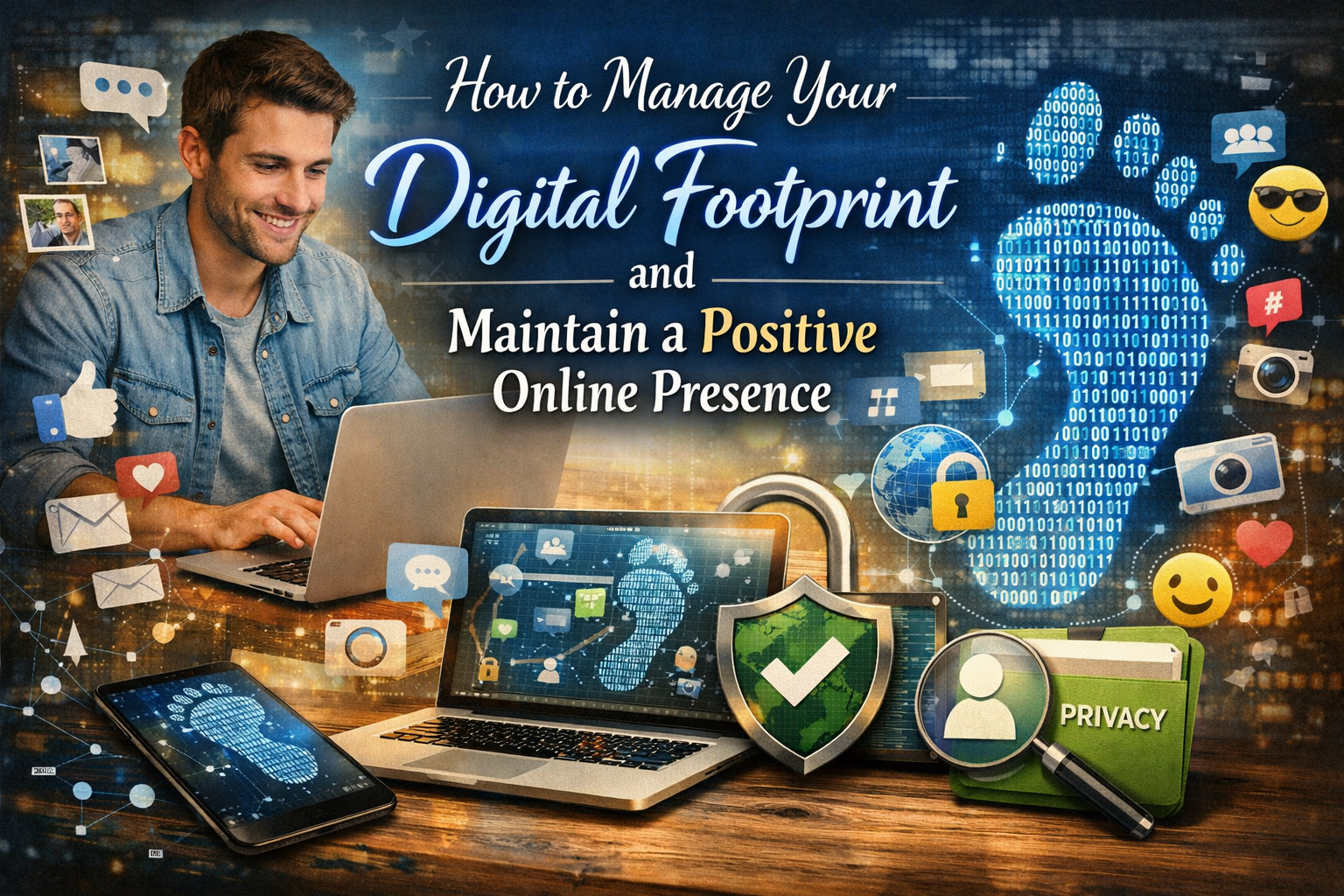
In today's digital world, almost everything we do online contributes to our digital footprint. Whether posting on social media, shopping online, commenting on blogs, or creating accounts on websites, these activities leave traces that can be seen by others. Your online actions can influence how employers, schools, businesses, and even friends perceive you. Because of this, managing your online presence has become more important than ever. Taking control of your digital footprint helps protect your privacy, strengthen your online reputation, and improve your overall digital security.
UNDERSTAND WHAT MAKES UP YOUR DIGITAL FOOTPRINT
A digital footprint consists of all the information created through your online activities. This includes social media posts, photos, comments, website visits, online purchases, and personal profiles. Some information is shared intentionally, while other data may be collected automatically by websites and apps.
Understanding what information exists about you online is the first step toward effective privacy protection. Regularly searching your name on search engines can help you identify publicly available information. This awareness allows you to take action if outdated, inaccurate, or unwanted content appears online.
REVIEW AND CLEAN UP YOUR ONLINE ACCOUNTS
Many people have old accounts on websites they no longer use. These inactive accounts may still contain personal information that could be accessed by others. Reviewing your online accounts regularly helps reduce unnecessary exposure of your data.
Delete accounts that are no longer needed and update information on active accounts. Remove old posts, photos, or comments that may negatively affect your online reputation. Keeping your online profiles current and professional can help create a more positive digital image.
STRENGTHEN YOUR SOCIAL MEDIA PRIVACY SETTINGS
Social media platforms often allow users to control who can view their content. Adjusting social media privacy settings can significantly reduce the amount of information visible to strangers. It is important to review these settings regularly because platforms frequently update their privacy options.
Limit access to personal details such as your phone number, home address, and date of birth. Be cautious about accepting friend requests from people you do not know. The less sensitive information you share publicly, the safer your digital identity will be.
THINK BEFORE YOU POST ONLINE
Everything posted online has the potential to remain accessible for years. Even deleted content may be archived, copied, or shared by others. Before posting, consider how the content might affect your personal and professional reputation in the future.
Sharing positive, respectful, and professional content helps build a strong online presence. Avoid posting offensive comments, misleading information, or content that could damage your credibility. Developing thoughtful posting habits can help maintain a positive image across digital platforms.
PROTECT YOUR PERSONAL INFORMATION
One of the most important aspects of managing a digital footprint is safeguarding personal information. Cybercriminals often use publicly available details to conduct scams, identity theft, or phishing attacks. Limiting the amount of personal data shared online reduces these risks.
Use strong passwords, enable two-factor authentication, and avoid sharing sensitive information on public platforms. Being careful with personal data supports better cybersecurity and helps prevent unauthorized access to your accounts.
BUILD A POSITIVE AND PROFESSIONAL ONLINE REPUTATION
A positive online reputation can create valuable opportunities in education, business, and career development. Employers and organizations often review online profiles before making decisions about candidates. Maintaining a professional image online can leave a strong and favorable impression.
Share useful content, participate in meaningful discussions, and highlight your skills and achievements when appropriate. Consistently contributing positive content strengthens your digital identity and helps establish credibility. Over time, these efforts can improve both your personal and professional online presence.
CONCLUSION
Managing your digital footprint is essential for protecting privacy, maintaining security, and building a positive online presence. By understanding your online activities, reviewing old accounts, strengthening social media privacy, protecting personal information, and sharing content responsibly, you can take greater control of your digital identity. Small actions performed consistently can make a significant difference in how you are perceived online. A well-managed digital footprint not only improves your online reputation but also helps create a safer and more secure digital future.
Tentang Penulis
Gusti Ayu Tita P
Penulis — Universitas STEKOM
Penulis aktif yang berfokus pada isu-isu akademik, teknologi pendidikan, dan pengembangan sumber daya manusia di lingkungan kampus.