How to Pass Airport Security Checks Faster and Easier?
Gusti Ayu Tita P
10 Agustus 2026
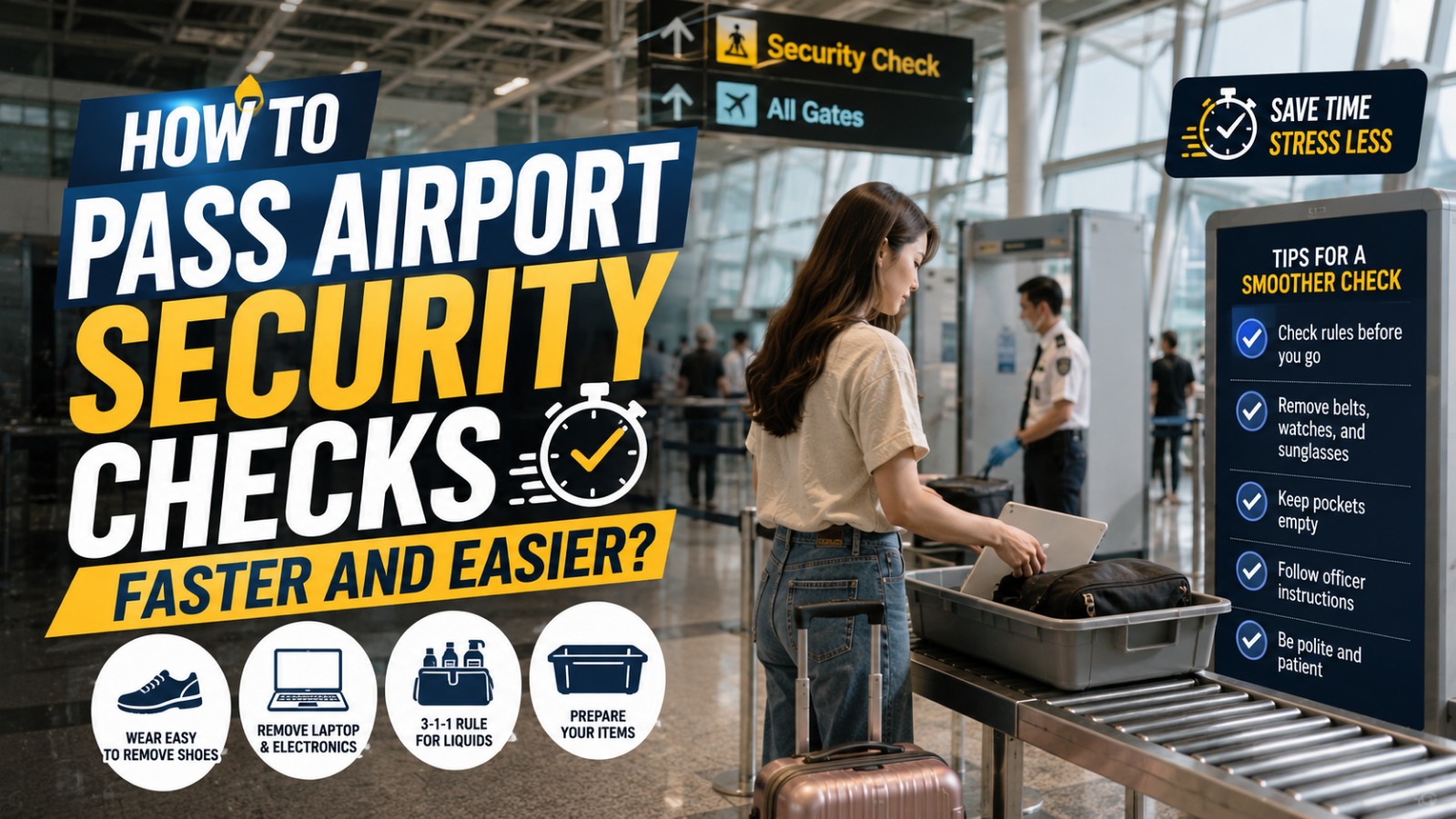
Airport security checks are an essential part of air travel because they help protect passengers and airport operations. However, long lines and additional inspections can make the process feel stressful, especially during busy travel periods. Good preparation can help you move through security more efficiently without ignoring important safety procedures. Knowing what to prepare before reaching the checkpoint can also reduce unnecessary delays.
Travelers should understand that security procedures may vary between airports and countries. Some airports may require passengers to remove certain electronic devices, shoes, jackets, or other items, while others may use different screening technologies. Following the instructions provided by security officers is always the safest and most efficient approach.
PREPARE YOUR TRAVEL DOCUMENTS
Keep your passport, identification, and boarding pass in an easily accessible place before reaching the security checkpoint. Searching through a crowded bag for important documents can slow down the line. If you use a digital boarding pass, make sure your phone has enough battery and that the boarding pass can be displayed clearly.
Avoid putting important documents deep inside your luggage. A small travel wallet or easily accessible pocket can help you organize them properly. Having your documents ready allows you to respond quickly when airport staff ask to see them.
WEAR SIMPLE AND PRACTICAL CLOTHING
Simple clothing can make security screening easier. Avoid wearing unnecessary accessories such as large belts, heavy jewelry, or items that may need to be removed during screening. Choose comfortable clothing and footwear that can be handled easily if airport procedures require removal.
Before entering the security line, check your pockets for coins, keys, phones, and other loose items. Place these belongings in your carry on bag when appropriate. Preparing these items in advance can prevent delays when you reach the screening area.
ORGANIZE YOUR CARRY ON BAG
An organized carry on bag can significantly improve the security process. Keep items that may need to be removed from the bag in an easily accessible section. Avoid placing small items randomly throughout your luggage because this can make the screening process slower if an officer needs to inspect the bag.
Before leaving home, check the airport and airline rules regarding prohibited and restricted items. Rules can vary depending on the airport, country, and type of flight. Removing questionable items before arriving can reduce the chance of additional screening.
PREPARE ELECTRONIC DEVICES
Electronic devices may need to be removed from your carry on bag depending on the airport's screening procedures. Laptops, tablets, cameras, and similar devices should therefore be stored where they can be taken out quickly if required. Avoid placing them underneath layers of clothing or other heavy items.
Pay attention to signs and instructions from security officers. Some modern screening systems may allow certain electronics to remain inside the bag, while other checkpoints may still require them to be removed. Following the specific instructions at the checkpoint is more important than relying on previous airport experiences.
FOLLOW LIQUID RULES
Liquids are a common reason for additional security checks. Many airports limit the amount and type of liquids that passengers can carry through security, particularly on international flights. The exact requirements can vary by country, airport, and security system.
Check the latest liquid restrictions before packing your carry on bag. Place permitted liquids in the required containers or bags when applicable. Avoid carrying unnecessary liquids because they may need additional inspection or may not be allowed through the checkpoint.
FOLLOW SECURITY OFFICER INSTRUCTIONS
Security officers are responsible for applying airport screening procedures. Listen carefully to their instructions and follow them promptly. If an officer asks you to remove an item or undergo additional screening, cooperate calmly rather than delaying the process.
Do not assume that every airport uses exactly the same security procedure. Screening requirements can change depending on technology, location, security conditions, and current regulations. Following the instructions at the specific checkpoint is the best way to keep the process smooth.
ARRIVE AT THE AIRPORT EARLY
Arriving early gives you enough time to deal with unexpected queues or additional screening. Security lines can become much longer during weekends, holidays, and peak travel periods. Giving yourself extra time reduces the pressure to rush through the airport.
The recommended arrival time can vary depending on the airline, airport, destination, and type of flight. Check your airline's guidance and allow additional time for international travel when necessary. Arriving early is especially useful if you need to check baggage or navigate an unfamiliar terminal.
AVOID PACKING UNNECESSARY ITEMS
The more complicated your carry on bag is, the more difficult it may be to pass through security efficiently. Pack only what you genuinely need and avoid items that could create confusion during screening. Check the prohibited and restricted item list before leaving home.
If you are unsure about a particular item, check the current guidance from your airline or airport rather than assuming it is permitted. Proper preparation can prevent your bag from being opened for unnecessary inspection. A lighter and well organized bag is generally easier to manage throughout the airport.
CONCLUSION
Passing airport security checks faster and easier starts with preparation before reaching the checkpoint. Keep travel documents accessible, wear practical clothing, organize your carry on bag, and prepare electronic devices and liquids according to current rules. Most importantly, follow the instructions of airport security officers because procedures can differ between airports.
Arriving early also gives you enough time to handle queues and unexpected inspections without unnecessary stress. By understanding the rules and preparing your belongings in advance, you can make the security process more efficient while still following all required safety procedures.
Tentang Penulis
Gusti Ayu Tita P
Penulis — Universitas STEKOM
Penulis aktif yang berfokus pada isu-isu akademik, teknologi pendidikan, dan pengembangan sumber daya manusia di lingkungan kampus.