How to Pay KUR BRI Installments on Time?
Gusti Ayu Tita P
21 Agustus 2026
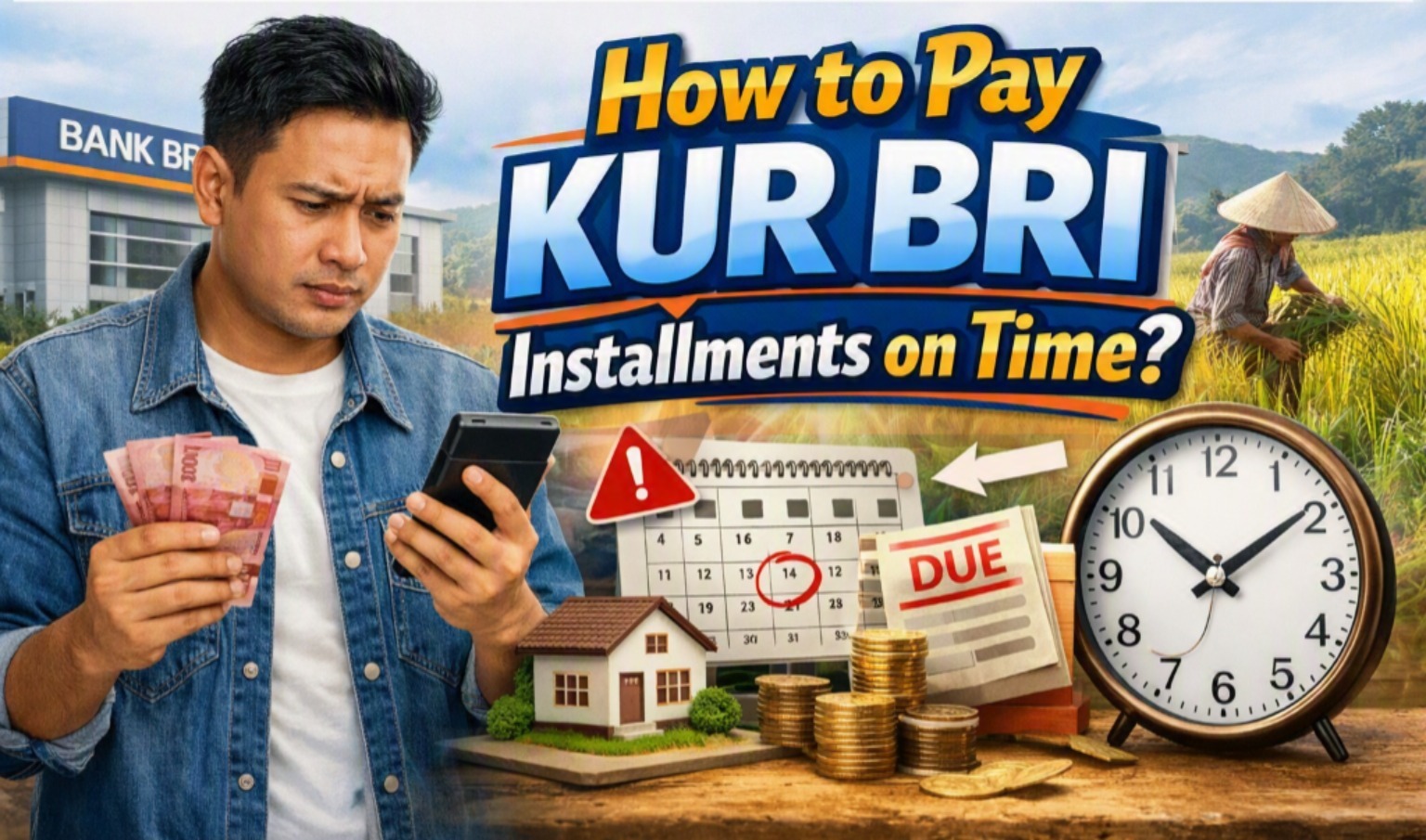
Paying KUR BRI installments on time is an important part of maintaining good financial discipline and keeping a business loan manageable. KUR BRI is designed to support productive business activities, so borrowers need to plan their monthly cash flow carefully to ensure every installment is paid according to the agreed schedule. A missed payment can make household and business finances more difficult to manage. Therefore, understanding the due date, installment amount, and available payment methods is essential for every KUR BRI borrower.
BRI provides various digital and banking services that can make financial transactions more convenient. BRImo, for example, is BRI's financial super app that supports various transactions, including payments and financial management. However, the exact payment channel and procedure available for a specific KUR facility should always be confirmed with BRI or the relevant BRI unit, because payment procedures can depend on the loan agreement and current banking services.
UNDERSTAND YOUR KUR BRI INSTALLMENT SCHEDULE
The first step to paying KUR BRI installments on time is knowing exactly when your payment is due. Check your loan agreement or information provided by BRI to identify the monthly installment amount and due date. Do not rely only on memory because business activities and daily expenses can easily make you forget an important payment deadline. Recording the due date in a calendar or financial notebook can help you stay consistent.
It is also useful to separate your installment money from your daily business expenses. If possible, prepare the installment funds several days before the due date instead of waiting until the last day. This gives you additional time to solve problems such as insufficient funds, transaction errors, or temporary service interruptions. BRI provides ATM services that support banking transactions, including payments, while its digital banking services are designed to make transactions more convenient.
PREPARE THE INSTALLMENT MONEY IN ADVANCE
Good payment habits start with proper cash flow management. Business owners should estimate their monthly income and expenses before setting aside money for loan installments. When sales are higher than usual, consider keeping part of the additional income as a reserve for future installment payments. This can be especially useful when business revenue fluctuates from month to month.
A simple method is to divide the expected monthly installment into smaller saving targets. For example, if the installment is due once a month, you can gradually set aside part of the required amount after receiving business income. This approach reduces the risk of spending all available cash before the payment date. The goal is to make installment payments a priority expense, rather than paying only when there is leftover money.
CHOOSE A PAYMENT METHOD THAT YOU CAN USE RELIABLY
Choose a payment method that is practical and easy for you to monitor. BRI offers several banking channels, including BRImo, ATMs, and other banking services, although the exact channel for KUR installment payment should be confirmed based on your KUR account and current BRI procedures. BRImo supports various financial transactions and is available for customers who use the service.
If you prefer using an ATM, BRI states that its ATM network supports transactions such as transfers, purchases, and payments. For payments through a BRI branch or other available channel, follow the instructions provided by the bank and make sure the payment is recorded correctly. Never guess a payment code or account number if you are unsure. Contact BRI or visit the relevant BRI unit to confirm the correct procedure.
SET A REMINDER BEFORE THE DUE DATE
A payment reminder is a simple but effective way to prevent late installments. Set at least one reminder several days before the due date, rather than only on the actual payment date. You can use a phone calendar, alarm, financial application, or a written reminder. If your income arrives on a specific day, consider scheduling your reminder shortly after that income is received.
BRI also currently promotes a Scheduled Bills feature in BRImo for certain types of bills, allowing users to set payment schedules for supported bill categories. However, this feature should not automatically be assumed to support KUR BRI installments. Therefore, always check whether your specific KUR payment can be scheduled automatically before relying on an automated payment arrangement.
CHECK THE PAYMENT AFTER COMPLETING THE TRANSACTION
Completing a transaction does not mean you should immediately forget about it. After making a KUR BRI installment payment, check the transaction status and keep the receipt or digital proof of payment. This document can be useful if you later need to verify the payment date or transaction amount. Make sure the amount paid and the relevant loan information are correct.
If a transaction fails, do not assume that the payment has been completed. Check your account balance and transaction history, then follow BRI's official instructions for resolving the issue. If you experience uncertainty about whether an installment has been recorded, contact BRI through its official customer service or visit a BRI office rather than making assumptions. Keeping payment records also helps you maintain better financial administration for your business.
AVOID USING BUSINESS FUNDS CARELESSLY
One common reason borrowers struggle to pay installments on time is poor separation between business money and personal money. When both funds are mixed, it can be difficult to know how much money is actually available for loan payments. Business owners should therefore establish a clear budget that includes operating costs, personal expenses, savings, and loan installments. This makes monthly financial planning more transparent.
Try to treat the KUR installment as a fixed financial obligation. Before using business income for nonessential purchases, make sure the money needed for the upcoming installment has already been secured. Maintaining a reserve can also help protect your business when sales decline temporarily. Good financial discipline makes it easier to keep payments consistent throughout the loan period.
WHAT TO DO IF YOU MAY MISS A PAYMENT?
If you realize that you may not have enough money to make an installment on time, do not wait until the problem becomes more serious. Contact BRI as early as possible and explain your situation through an official channel. The bank can provide information about your account and explain the applicable procedures based on your loan agreement. Avoid relying on unofficial advice from social media or unknown individuals.
Borrowers should also avoid taking unnecessary new debt simply to cover a routine installment. Instead, review business cash flow, reduce nonessential spending, and identify available sources of legitimate income. Early communication with the bank is generally better than ignoring the payment problem. Always follow the terms of your KUR BRI agreement and current BRI policies when dealing with payment difficulties.
CONCLUSION
Paying KUR BRI installments on time is easier when it becomes part of your regular financial routine. Start by recording the installment amount, due date, and payment confirmation every month. Combine this habit with proper business budgeting so that the required funds are prepared before the deadline. Over time, consistent financial administration can make loan management much less stressful.
The key is not simply knowing how to make a payment but also knowing when and how much to prepare. Use reliable BRI payment channels, keep transaction evidence, and monitor your business cash flow regularly. If you are uncertain about the correct payment procedure for your KUR facility, confirm it directly with BRI. With disciplined planning, borrowers can manage their installments more responsibly while keeping their business finances organized.
Tentang Penulis
Gusti Ayu Tita P
Penulis — Universitas STEKOM
Penulis aktif yang berfokus pada isu-isu akademik, teknologi pendidikan, dan pengembangan sumber daya manusia di lingkungan kampus.