How to Prepare for a Safe and Comfortable Ship Journey?
Gusti Ayu Tita P
11 Agustus 2026
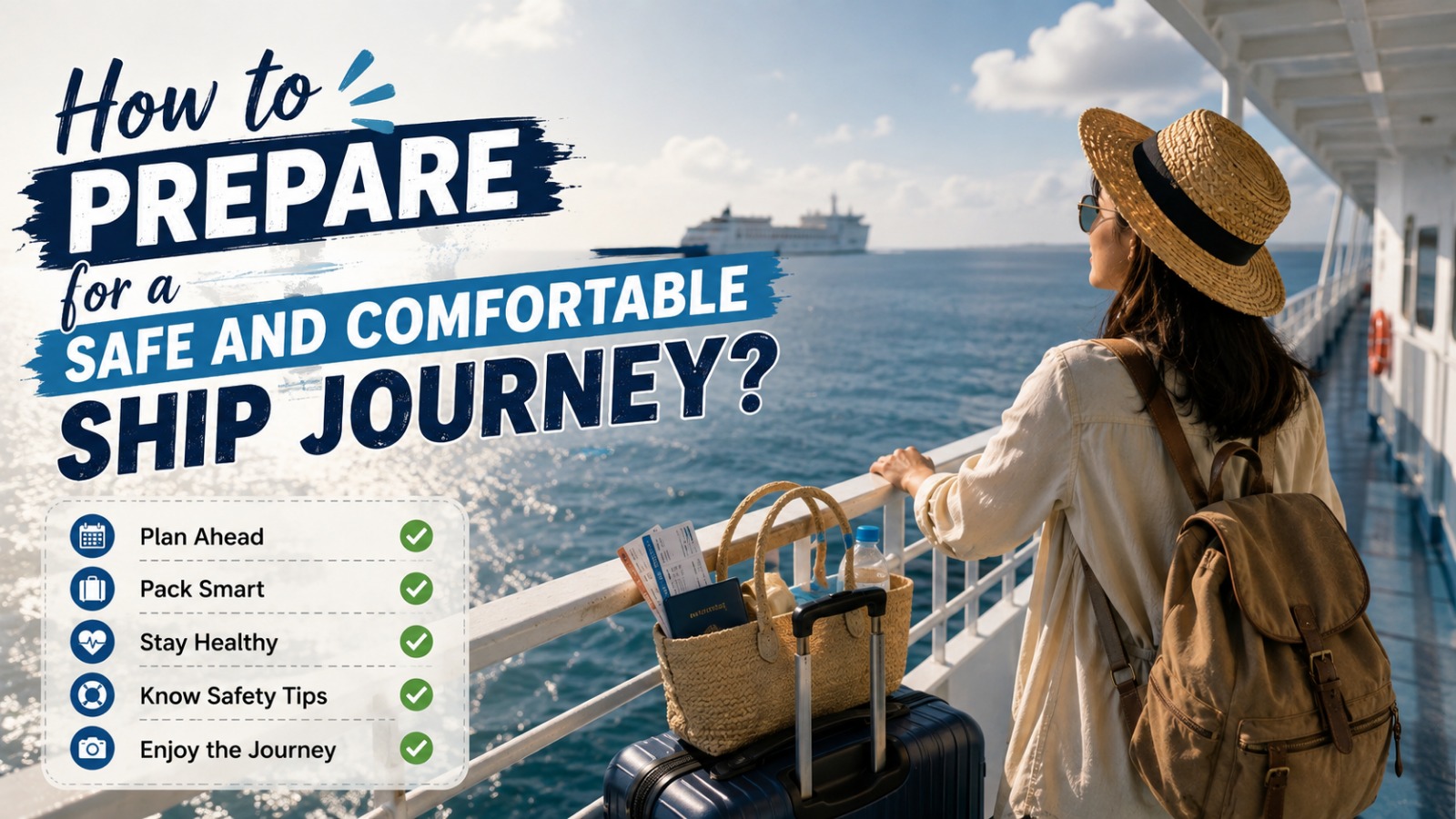
Traveling by ship can be an exciting experience, especially when the journey passes through beautiful coastal areas or open waters. However, proper preparation is important because sea travel has different conditions from traveling by car, train, or airplane. Weather changes, long travel times, baggage rules, and onboard safety procedures are some factors that passengers should consider before departure.
Good preparation does not have to be complicated. By checking travel documents, preparing suitable luggage, understanding safety procedures, and taking care of personal comfort, passengers can enjoy a safe and comfortable ship journey. The following tips can help both first-time and experienced travelers prepare more effectively.
CHECK YOUR TRAVEL DOCUMENTS
Before leaving for the port, make sure all required travel documents are ready. Depending on the route, these may include a ship ticket, identity card, passport, visa, or other documents required by the operator. Check the passenger information carefully to make sure there are no errors.
Keep important documents in a secure and easily accessible place. Do not put identification documents or travel tickets in baggage that may be stored away from you. Having both digital and physical copies can provide additional convenience if one version becomes unavailable.
CHECK THE SHIP SCHEDULE
Passengers should confirm the departure date, departure time, destination, and port location before traveling. Ship schedules can sometimes be affected by weather, port operations, technical issues, or other operational conditions. Checking the latest information can help prevent confusion.
It is also important to know the required check-in and boarding time. Arriving at the port too close to departure can create unnecessary stress. Allowing extra time gives passengers an opportunity to complete check-in, security procedures, and boarding without rushing.
ARRIVE EARLY AT THE PORT
Arriving early is one of the simplest ways to make a ship journey more comfortable. Ports can be busy, especially during weekends, holidays, or peak travel periods. Passengers may need time to find the correct terminal, complete document checks, and handle baggage.
The exact recommended arrival time depends on the shipping company and route. Therefore, passengers should follow the instructions provided by the operator. Being early provides a useful safety margin if unexpected delays occur while traveling to the port.
PACK ESSENTIAL ITEMS
Prepare a small personal bag containing the items you may need during the journey. Important items can include identification documents, medication, money, mobile phones, chargers, toiletries, snacks, and travel documents.
Keep these belongings separate from large baggage if the operator requires larger luggage to be stored elsewhere. This makes essential items easier to access during the journey. Packing only what you need can also reduce the difficulty of moving around the ship.
FOLLOW BAGGAGE RULES
Before packing, check the operator's baggage allowance and prohibited items. Different shipping companies can have different policies regarding the number, size, and weight of bags that passengers may bring.
Avoid carrying restricted or dangerous items. If you are unsure whether something is permitted, contact the shipping operator before departure. Following baggage rules can make the boarding process faster and reduce the risk of problems at the port.
WEAR COMFORTABLE CLOTHES
Comfortable clothing can make a significant difference during a long sea journey. Weather conditions on a ship can feel different from those on land, particularly when passengers spend time on an outdoor deck.
Choose clothing that allows easy movement and bring an additional layer if necessary. Comfortable shoes are also recommended because passengers may need to walk between decks, cabins, seating areas, and other facilities.
PREPARE FOR SEASICKNESS
Some passengers experience seasickness when traveling on moving water. Symptoms can include nausea, dizziness, sweating, fatigue, and vomiting. The severity varies from person to person.
Passengers who are concerned about seasickness can take several practical precautions. Staying hydrated, eating light meals, getting fresh air when appropriate, and focusing on the horizon may help some people feel more comfortable. If you are considering medication for motion sickness, seek advice from a qualified healthcare professional beforehand.
LEARN THE SHIP'S LAYOUT
After boarding, take a few minutes to identify important areas around the vessel. Locate your cabin, restroom, information desk, emergency exit, assembly area, and relevant passenger facilities.
Large ships can have multiple decks and long corridors, making it easy for first-time passengers to become confused. Remembering your deck number and cabin location can save time. Learning the layout also helps you move quickly if the crew gives an important instruction.
PAY ATTENTION TO SAFETY INSTRUCTIONS
Every passenger should listen carefully to the ship's safety briefing. Crew members may explain how to use life jackets, where emergency exits are located, and where passengers should gather during an emergency.
Do not ignore these instructions simply because the journey is short. Emergencies at sea can require passengers to act quickly and calmly. Understanding the procedures before a problem occurs can significantly improve your ability to respond appropriately.
KEEP VALUABLE ITEMS SECURE
Valuable items such as cash, smartphones, cameras, passports, and other electronics should be kept secure during the journey. Avoid leaving important belongings unattended in shared spaces.
Use secure storage provided by the operator when available. Passengers should also keep their personal bags within sight when relaxing in public areas. Simple precautions can reduce the possibility of loss or accidental damage.
STAY HYDRATED AND EAT PROPERLY
Taking care of your physical condition is important during a long ship journey. Drink enough water and avoid consuming excessive amounts of food that may make you uncomfortable. Light and balanced meals may be more suitable if you are sensitive to motion.
Passengers should also consider their individual dietary needs. If you require specific foods, check whether they are available onboard or whether permitted food can be brought onto the vessel. Following the operator's food policies is essential.
PREPARE ENTERTAINMENT
Long journeys can become boring if passengers have nothing to do. Bring books, downloaded movies, music, games, or other offline entertainment to make the trip more enjoyable.
Internet access may not always be reliable at sea. Downloading important files or entertainment before departure can therefore be useful. Passengers can also enjoy the ocean views from permitted areas when weather conditions are safe.
PROTECT YOUR ELECTRONIC DEVICES
Mobile phones, cameras, tablets, and other electronic devices should be protected from water and accidental damage. Outdoor decks can be exposed to rain, sea spray, and strong winds.
Use protective cases or waterproof bags when appropriate. Keep charging equipment organized and follow any restrictions concerning electrical devices. A fully charged phone is particularly useful for communication and accessing digital travel documents.
MONITOR WEATHER AND SEA CONDITIONS
Weather can have a major influence on maritime travel. Strong winds, storms, high waves, and poor visibility can affect a ship's operations and passenger activities.
Passengers should pay attention to official announcements from the crew rather than relying only on personal observations. If an outdoor deck or other area is temporarily closed, follow the restriction. Safety should always take priority over sightseeing or convenience.
RESPECT ONBOARD RULES
Every ship has rules designed to protect passengers, crew members, and the vessel. These rules may cover restricted areas, smoking, alcohol, noise, waste disposal, baggage, and emergency procedures.
Passengers should read the available information and follow instructions from crew members. Respecting the rules contributes to a safer environment and helps prevent unnecessary conflicts with other travelers.
CONCLUSION
Preparing for a safe and comfortable ship journey begins before reaching the port. Checking documents, confirming schedules, arriving early, packing essential belongings, and following baggage rules can make the boarding process much easier. Passengers should also prepare suitable clothing, protect valuables, and consider possible seasickness.
Once onboard, learning the ship's layout and paying attention to safety instructions are essential. Staying hydrated, monitoring weather conditions, and respecting onboard rules can further improve the travel experience. With proper preparation, passengers can enjoy their sea journey with greater confidence, comfort, and peace of mind.
Tentang Penulis
Gusti Ayu Tita P
Penulis — Universitas STEKOM
Penulis aktif yang berfokus pada isu-isu akademik, teknologi pendidikan, dan pengembangan sumber daya manusia di lingkungan kampus.