How To Prepare Your Vehicle For A Safe And Comfortable Homecoming Trip?
Gusti Ayu Tita P
10 Agustus 2026
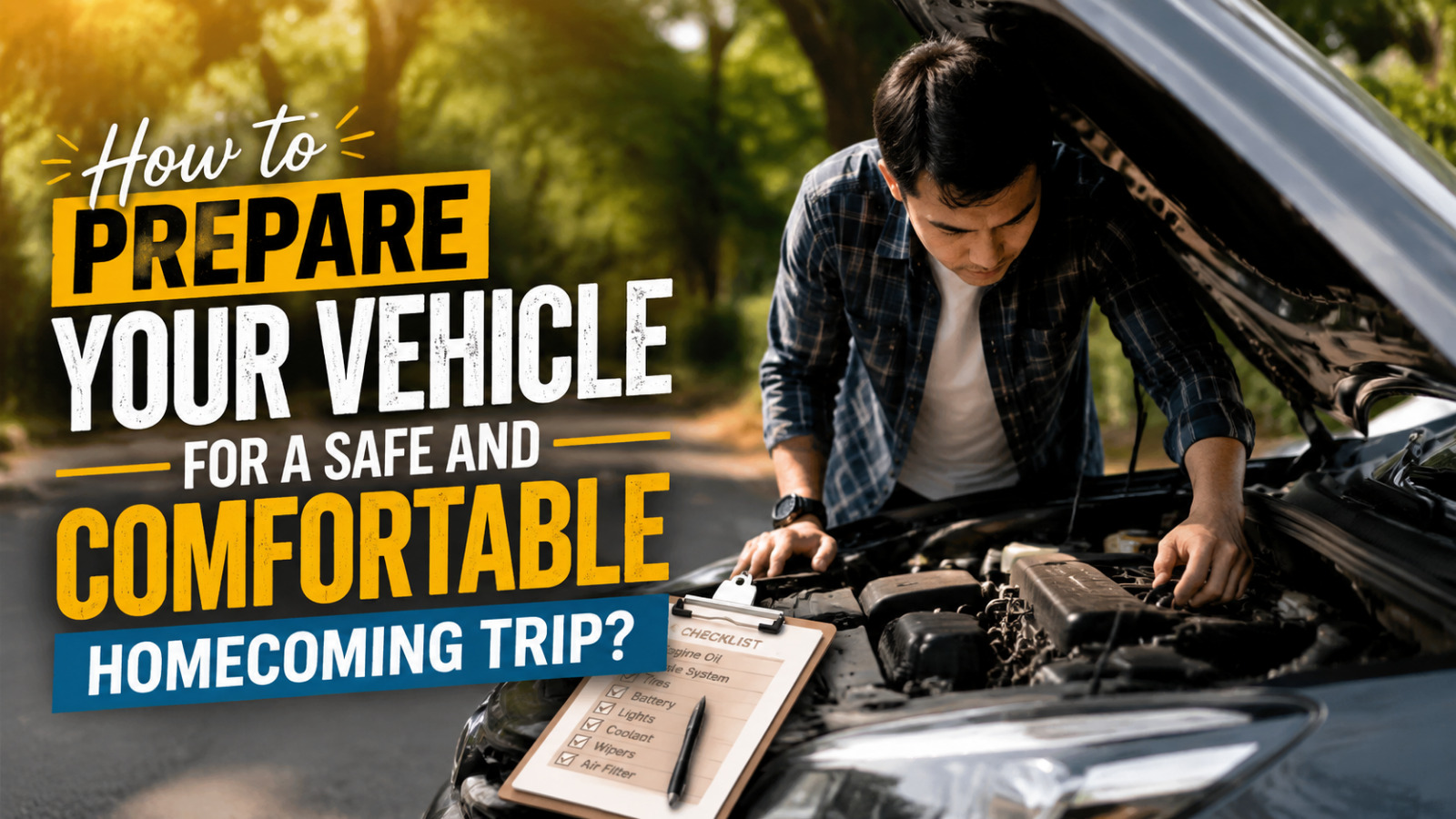
Proper Vehicle Preparation is one of the most important steps before starting a homecoming journey. Long-distance travel places greater demands on a vehicle than normal daily driving. A vehicle that appears to work well in the city may experience problems when driven for many hours. Checking important components before departure can reduce the risk of breakdowns and unexpected delays. Good preparation also helps travelers feel more confident throughout the journey.
Homecoming traffic can make vehicle problems more difficult to handle. Heavy congestion may require frequent braking and acceleration, while long-distance driving can increase engine and tire demands. Travelers may also carry more passengers and luggage than usual. For these reasons, drivers should inspect their vehicles several days before departure rather than waiting until the last moment.
CHECK THE TIRES
Tires are among the most important components to inspect before a long journey. Drivers should check the tire pressure and make sure it follows the vehicle manufacturer's recommended level. Tire pressure that is too low or too high can affect handling, fuel efficiency, and tire performance. The tire tread should also be examined for excessive wear or visible damage. Proper tire condition is essential for maintaining control, especially during wet weather.
The spare tire should also be checked before departure. It should have sufficient pressure and be accessible if needed. Drivers should make sure that the vehicle has the necessary equipment for changing a tire. If a tire shows serious damage or excessive wear, it should be replaced before traveling. Spending time on tire preparation can prevent major problems during a long journey.
INSPECT THE BRAKING SYSTEM
The braking system plays a critical role in Travel Safety. Drivers should pay attention to unusual sounds, vibrations, or changes in braking performance. Brake pads, discs, fluid, and other components may require inspection or maintenance depending on their condition. A professional mechanic can perform a more detailed inspection when necessary. Brakes should never be ignored when preparing for a long trip.
Heavy homecoming traffic often requires frequent braking. A vehicle may need to stop suddenly because of congestion, pedestrians, or changing traffic conditions. A properly maintained braking system gives drivers greater control in these situations. If there is any doubt about brake performance, the vehicle should be inspected before departure.
CHECK ENGINE FLUIDS AND BATTERY
Engine fluids are also important for a reliable Homecoming Journey. Drivers should check engine oil, coolant, brake fluid, and other fluids according to the vehicle manufacturer's recommendations. Low or contaminated fluids can affect vehicle performance and may contribute to mechanical problems. Any visible leakage should also be investigated before the journey.
The vehicle battery should be checked as well. A weak battery can create problems when starting the engine, especially after long periods of use or during unfavorable conditions. Drivers should also check electrical connections and warning indicators. Early inspection can identify problems before they become serious during travel.
CHECK LIGHTS AND SAFETY EQUIPMENT
All exterior lights should work properly before departure. Drivers should check headlights, brake lights, turn signals, hazard lights, and other required lighting systems. Proper lighting improves visibility and allows other road users to understand the driver's intentions. This is especially important when traveling at night or during heavy rain.
Drivers should also prepare essential safety equipment. A first-aid kit, warning triangle, flashlight, basic tools, and phone charger can be useful in emergencies. Important vehicle and personal documents should also be stored safely. Having these items ready can make unexpected situations easier to manage.
CHECK THE AIR CONDITIONING AND CABIN COMFORT
Cabin comfort is another important consideration, especially for long-distance family travel. The air conditioning system should work properly before departure. A comfortable cabin can help passengers remain relaxed during long hours on the road. Drivers should also ensure that seats, seat belts, windows, and other cabin features are functioning correctly.
Families traveling with children should prepare additional comfort items. Water, snacks, clothing, tissues, entertainment, and other necessities should be placed where they can be reached safely. Travelers should avoid placing loose objects where they could become dangerous during sudden braking. Good Travel Comfort can make a long journey easier for both drivers and passengers.
CHECK THE VEHICLE LOAD
Travelers should avoid carrying more weight than the vehicle is designed to handle. Excessive luggage can affect braking, steering, acceleration, and overall vehicle stability. Heavy items should be distributed properly and secured so they do not move during the journey.
Drivers should also avoid blocking their rear view with luggage. Passengers should have enough space to sit comfortably and use their seat belts correctly. Checking the total load before departure is an important part of Vehicle Inspection. A properly loaded vehicle is safer and more comfortable to drive.
PREPARE EMERGENCY SUPPLIES
Emergency preparation should be part of every long-distance journey. Travelers should carry drinking water, basic food, medicine, a first-aid kit, a flashlight, and a portable phone charger. Drivers may also need basic tools and equipment appropriate for their vehicle. These supplies can be particularly useful when unexpected delays occur.
Families should also keep important contact information available. Emergency contacts, insurance details, vehicle documents, and other essential information should be easy to access. Travelers should avoid depending entirely on internet connectivity because some areas may have weak signals. Proper preparation provides additional security when unexpected problems occur.
GET ENOUGH REST BEFORE DRIVING
Vehicle preparation is important, but driver preparation is equally essential. Drivers should get enough sleep before starting a long-distance trip. Fatigue can reduce concentration, slow reaction time, and increase the risk of mistakes. Starting a journey while already tired is especially dangerous during long homecoming trips.
During the journey, drivers should take regular breaks. If a driver feels sleepy, they should stop in a safe location and rest. Changing drivers can be helpful when another qualified and well-rested driver is available. Driver Safety should always be treated as an essential part of vehicle preparation.
CONCLUSION
Preparing a vehicle properly can make a Homecoming Journey safer, more comfortable, and more reliable. Drivers should inspect tires, brakes, fluids, battery, lights, air conditioning, safety equipment, and vehicle load before departure. Emergency supplies should also be prepared so travelers can respond to unexpected situations.
Good Vehicle Preparation should be combined with responsible driving and adequate rest. Travelers should never ignore warning signs or known mechanical problems before starting a long journey. Through careful Vehicle Inspection, proper maintenance, and thoughtful preparation, families can reduce unnecessary risks and enjoy a more comfortable homecoming trip.
Tentang Penulis
Gusti Ayu Tita P
Penulis — Universitas STEKOM
Penulis aktif yang berfokus pada isu-isu akademik, teknologi pendidikan, dan pengembangan sumber daya manusia di lingkungan kampus.