How to Preserve Historic Tombs as Valuable Cultural Heritage?
Gusti Ayu Tita P
4 September 2026
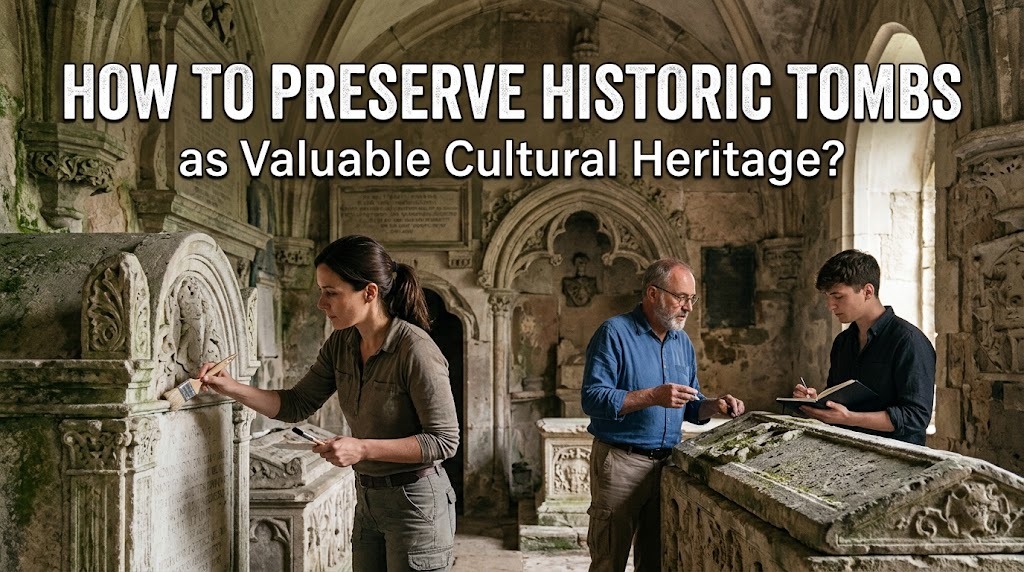
Historic tombs are valuable sources of information about history, culture, traditions, and past communities. Many burial sites contain architectural features, inscriptions, artistic elements, and historical stories that cannot easily be replaced once they are damaged. Preservation is therefore important to maintain their physical condition and cultural meaning. Effective conservation requires cooperation between authorities, experts, local communities, and visitors.
UNDERSTANDING THE VALUE OF HISTORIC TOMBS
The first step in preserving historic tombs is understanding their historical and cultural significance. Researchers can examine the site's age, architecture, inscriptions, historical associations, and relationship with local traditions. This information helps determine which elements require special protection and how the site should be managed.
Historic tombs can also represent the identity and memory of a community. Some sites are connected to important leaders, religious figures, ancestors, or significant historical periods. Understanding these connections encourages communities and visitors to treat the sites with greater respect.
DOCUMENTING THE CONDITION OF THE SITE
Proper site documentation is essential before conservation activities begin. Photographs, measurements, maps, written descriptions, and digital records can establish a detailed record of the tomb's condition. Documentation can later help specialists identify changes, damage, or deterioration.
Modern technology can make documentation more effective. Digital photography, geographic mapping, 3D scanning, and digital databases can record details that may be difficult to capture through written descriptions alone. These records can also support education and research while creating valuable backup information if the physical site is damaged.
PROTECTING TOMBS FROM PHYSICAL DAMAGE
Historic tombs can deteriorate because of weather, moisture, vegetation, pollution, erosion, and human activity. Conservation specialists should identify the causes of deterioration before selecting appropriate treatment methods. Repairs should avoid unnecessary changes to the original structure and should respect the site's historical character.
Visitors also play an important role in preventing physical damage. People should not climb on tombs, scratch surfaces, remove materials, or touch fragile decorations without permission. Simple actions such as following visitor regulations and keeping the surrounding area clean can support long-term heritage conservation.
INVOLVING LOCAL COMMUNITIES
Local communities often have valuable knowledge about the history and traditions connected to historic tombs. Their involvement can help ensure that preservation efforts respect local customs and cultural values. Community members can participate in monitoring, educational programs, guided tours, and appropriate maintenance activities.
Community participation can also create a stronger sense of responsibility toward heritage sites. When people understand the importance of protecting a historic tomb, they may become more willing to prevent vandalism, report damage, and encourage responsible tourism. Shared responsibility makes preservation more sustainable over time.
USING EDUCATION AND TECHNOLOGY
Education can help people understand why historic tombs should be protected. Schools, museums, heritage organizations, and tourism programs can introduce students and visitors to the site's historical significance. Heritage education can also teach appropriate behavior when visiting culturally sensitive locations.
Technology provides additional ways to share historical information without placing unnecessary pressure on fragile sites. Virtual tours, digital archives, online exhibitions, and 3D models can allow people to explore heritage resources remotely. These approaches can support public awareness while complementing physical conservation.
CREATING LONG TERM PRESERVATION STRATEGIES
Preservation should not focus only on repairing visible damage. A successful strategy requires regular monitoring, maintenance, research, documentation, and risk management. Authorities and heritage professionals should periodically evaluate the condition of the site and respond to new threats.
Long-term planning should also consider tourism and environmental changes. Visitor numbers may need to be managed when excessive activity threatens fragile structures. By combining professional conservation with community involvement, responsible tourism, education, and digital documentation, historic tombs can remain valuable cultural resources for future generations.
CONCLUSION
Preserving historic tombs requires careful planning and cooperation. Documentation, professional conservation, community participation, education, responsible tourism, and technology all contribute to protecting these important heritage sites. Preservation should respect both the physical structure and the cultural meaning attached to the tomb. With consistent care and responsible management, historic tombs can continue providing valuable lessons about the past for generations to come.
Tentang Penulis
Gusti Ayu Tita P
Penulis — Universitas STEKOM
Penulis aktif yang berfokus pada isu-isu akademik, teknologi pendidikan, dan pengembangan sumber daya manusia di lingkungan kampus.