How to Prevent Early Marriage Through Education and Family Support?
Gusti Ayu Tita P
24 September 2026
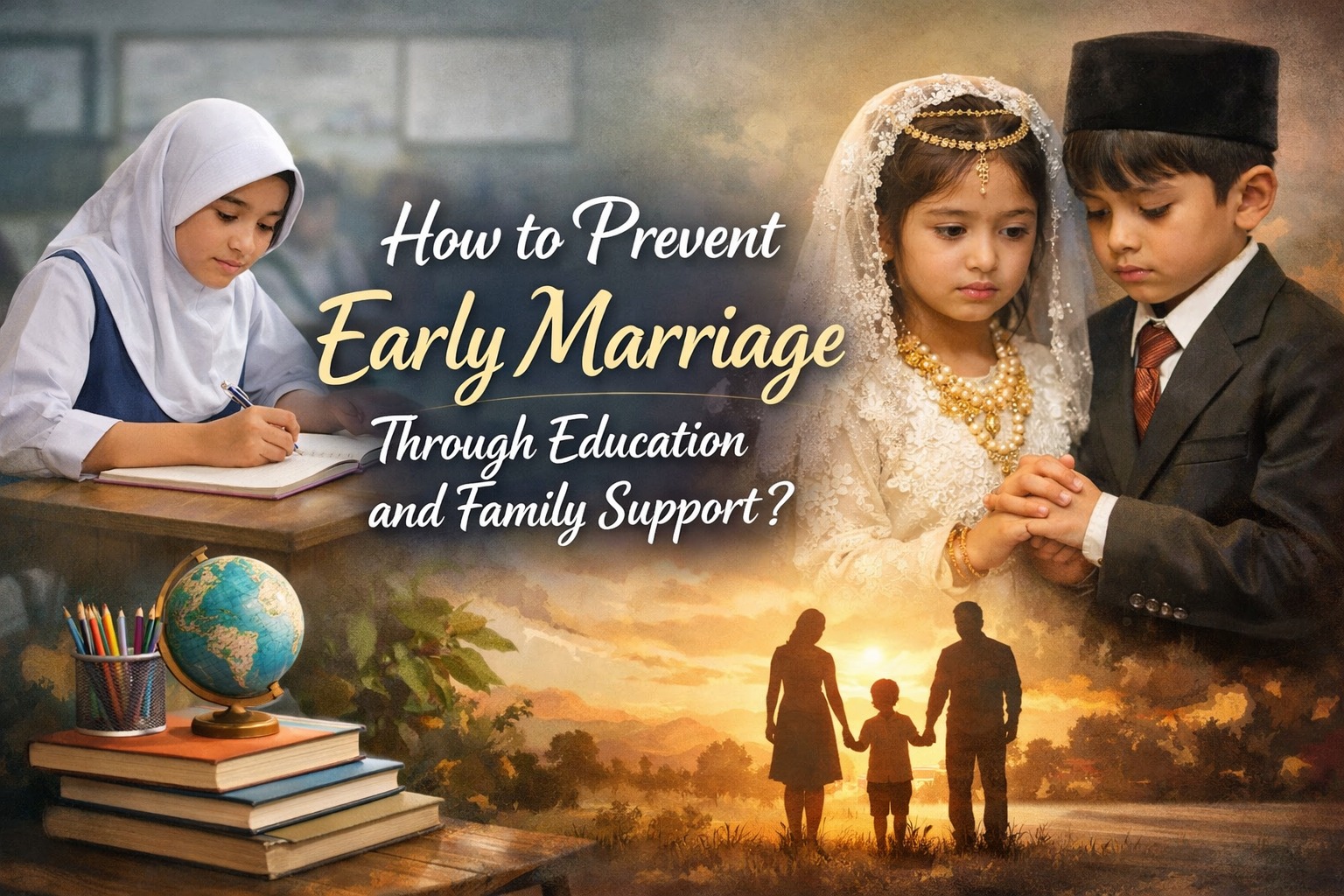
Early marriage remains a major social issue in many parts of the world despite growing awareness about children's rights and access to education. It often limits young people's opportunities to continue their education, develop important life skills, and achieve financial independence. In many cases, early marriage is influenced by poverty, cultural traditions, limited education, and social pressure.
Preventing early marriage requires cooperation from families, schools, communities, and governments. Education helps young people understand their rights and future opportunities, while family support creates a safe environment where children can make informed decisions. By combining these efforts, societies can significantly reduce the number of early marriages and improve the well-being of future generations.
THE IMPORTANCE OF EDUCATION IN PREVENTING EARLY MARRIAGE
Education is one of the most effective ways to prevent early marriage because it empowers children with knowledge and confidence. Students who stay in school are more likely to understand the consequences of marrying too young and recognize the importance of completing their education. Schools also provide opportunities to develop critical thinking, communication, and problem-solving skills that prepare young people for adulthood.
In addition, education opens the door to better career opportunities and financial independence. When young people have clear goals for higher education and employment, they are less likely to consider early marriage as their only option. Governments and educational institutions should continue improving access to affordable and quality education to ensure every child has the opportunity to build a brighter future.
THE ROLE OF FAMILY SUPPORT IN REDUCING EARLY MARRIAGE
Families play a vital role in shaping children's decisions and aspirations. Parents who communicate openly with their children can discuss topics such as relationships, education, personal goals, and future planning. This guidance helps children make informed choices instead of feeling pressured by cultural expectations or peer influence.
Supportive families also encourage children to pursue their dreams and continue their education. Providing emotional support, listening to children's concerns, and respecting their opinions help build self-confidence. When children feel valued and understood at home, they are more likely to prioritize education and delay marriage until they are emotionally and financially prepared.
COMMUNITY AND SCHOOL COLLABORATION
Schools and local communities should work together to raise awareness about the risks associated with early marriage. Educational campaigns, workshops, and counseling services can provide accurate information to students and parents. These activities encourage open discussions and reduce misconceptions that often contribute to child marriage.
Community leaders, religious figures, and youth organizations can also promote positive social values that prioritize education and healthy personal development. When respected members of the community advocate for children's rights and education, families are more likely to support delaying marriage. Strong community involvement creates an environment where young people feel encouraged to pursue their ambitions.
GOVERNMENT POLICIES AND LEGAL PROTECTION
Government policies are essential for preventing early marriage through effective laws and social programs. Enforcing minimum legal marriage ages and ensuring proper birth registration help reduce underage marriages. Legal protection should be accompanied by strict enforcement to prevent violations and protect vulnerable children.
Governments should also invest in scholarships, financial assistance, and social welfare programs for low-income families. These initiatives reduce economic pressures that often lead parents to arrange early marriages. Accessible healthcare, counseling services, and educational opportunities further strengthen efforts to protect children's rights and future potential.
LIFE SKILLS AND YOUTH EMPOWERMENT
Teaching life skills is another important strategy for preventing early marriage. Young people who develop communication, leadership, financial literacy, and decision-making skills become more confident in planning their futures. They are better equipped to resist social pressure and make responsible life choices.
Youth empowerment programs also encourage active participation in community activities, volunteer work, and leadership opportunities. These experiences broaden their perspectives and strengthen their self-esteem. Empowered young people are more likely to continue their education, pursue meaningful careers, and delay marriage until they are fully prepared.
CONCLUSION
Preventing early marriage requires a comprehensive approach that combines education, family support, community involvement, and strong government policies. Education provides children with knowledge, confidence, and opportunities, while supportive families help them make informed decisions about their future. Schools and communities reinforce these efforts by promoting awareness and protecting children's rights.
By investing in quality education, strengthening family relationships, and empowering young people with essential life skills, societies can significantly reduce early marriage. Every child deserves the opportunity to grow, learn, and achieve their full potential before entering marriage. Working together, families, educators, communities, and governments can build a future where children are free to pursue their dreams without the burden of early marriage.
Tentang Penulis
Gusti Ayu Tita P
Penulis — Universitas STEKOM
Penulis aktif yang berfokus pada isu-isu akademik, teknologi pendidikan, dan pengembangan sumber daya manusia di lingkungan kampus.