
How To Protect Coral Reefs While Snorkeling?
Gusti Ayu Tita P
4 September 2026
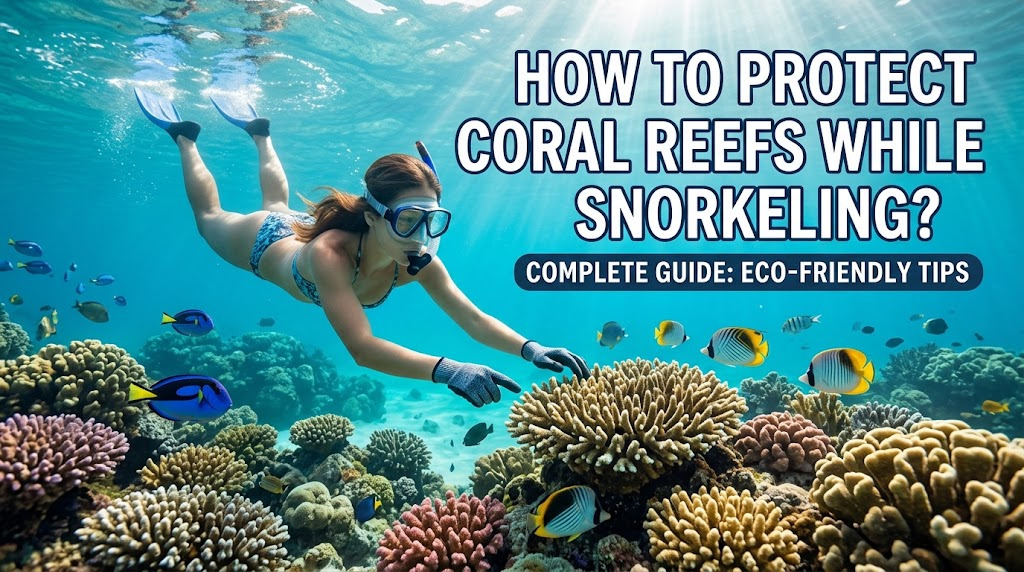
Snorkeling allows visitors to enjoy beautiful underwater scenery while observing marine life in its natural environment. However, careless behavior can cause unnecessary damage to Coral Reefs and the surrounding ecosystem. Every snorkeler has a responsibility to enjoy the ocean without harming the environment. Simple habits such as maintaining distance, avoiding contact with coral, and managing waste can make a meaningful difference. By practicing Responsible Snorkeling, visitors can enjoy the ocean while helping protect its natural beauty.
UNDERSTAND WHY CORAL REEFS MATTER?
Coral Reefs are important marine ecosystems that provide habitats for many species of fish and other organisms. They contribute to the biodiversity and ecological balance of coastal waters. Although coral reefs may appear strong, they can be sensitive to physical contact and environmental changes. Snorkelers should therefore understand that recreational activities need to be carried out carefully. Learning about the importance of Marine Conservation can encourage visitors to treat underwater environments with greater respect.
AVOID TOUCHING OR STEPPING ON CORAL
One of the simplest ways to protect Coral Reefs is to avoid touching or stepping on them. Physical contact can damage delicate coral structures and disturb organisms living around the reef. Snorkelers should maintain a safe distance from the seafloor and avoid using coral as a place to rest. Beginners should pay particular attention to their position and movement while observing underwater scenery. These habits are an important part of Eco Friendly Snorkeling.
DO NOT DISTURB MARINE ANIMALS
Protecting coral reefs also means respecting the animals that depend on them. Snorkelers should observe Marine Life from a respectful distance instead of chasing, touching, feeding, or attempting to capture animals. Allowing marine creatures to move naturally helps reduce unnecessary disturbance to their behavior. Visitors should also avoid collecting coral, shells, plants, or other organisms as souvenirs. Respecting wildlife is an essential part of Responsible Snorkeling and marine tourism.
REDUCE WASTE AND FOLLOW LOCAL RULES
Keeping the ocean clean is another important way to support Marine Conservation. Snorkelers should never leave plastic, food packaging, or other waste in the water or on the beach. Visitors should use designated waste facilities and follow environmental rules established by local authorities or tourism operators. Some snorkeling areas may also have specific conservation guidelines that need to be followed. By respecting these rules, travelers can practice Eco Friendly Snorkeling and help maintain healthy marine ecosystems.
CONCLUSION
Protecting Coral Reefs while snorkeling starts with simple and responsible habits. Visitors should avoid touching or stepping on coral, maintain a respectful distance from Marine Life, and never take organisms from their natural environment. Keeping the ocean free from waste and following local conservation rules are equally important. Practicing Responsible Snorkeling can help reduce the impact of tourism on sensitive marine ecosystems. Through Eco Friendly Snorkeling and greater awareness of Marine Conservation, visitors can enjoy the underwater world while helping preserve it for the future.
Tentang Penulis
Gusti Ayu Tita P
Penulis — Universitas STEKOM
Penulis aktif yang berfokus pada isu-isu akademik, teknologi pendidikan, dan pengembangan sumber daya manusia di lingkungan kampus.















