
How to Read Credit Information in SLIK OJK?
Gusti Ayu Tita P
10 September 2026
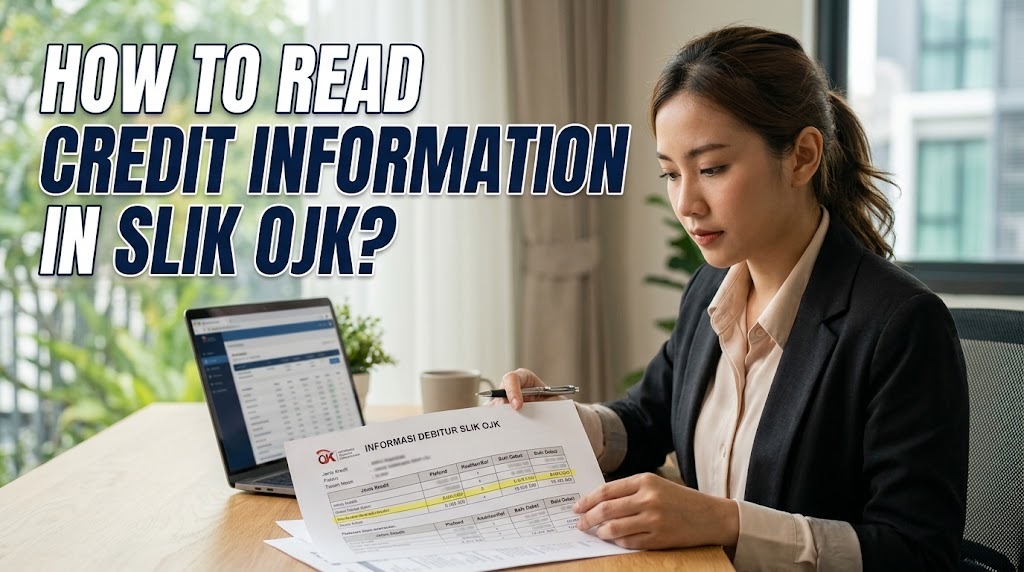
Understanding credit information is important for anyone who has used a loan or financing facility. In Indonesia, SLIK OJK provides debtor information reported by financial service institutions and can be used as one source when assessing credit eligibility. The information can help borrowers understand their current and previous credit obligations more clearly.
However, an iDeb report can contain several types of information that may seem confusing at first. Knowing how to read each part of the report can help borrowers understand their credit condition correctly. It is also important to remember that SLIK is not a blacklist and the information is not the only basis for a financial institution's lending decision.
UNDERSTAND WHAT iDeb MEANS
iDeb stands for Informasi Debitur, which means Debtor Information. It contains information about a debtor that is reported by financial service institutions to SLIK. The information may include the debtor's identity and details about credit or financing facilities received. This makes iDeb an important document for understanding recorded credit obligations.
Before reading the report, borrowers should understand that the information comes from the reporting financial institution. Therefore, the data represents information reported to SLIK rather than a personal financial opinion from OJK. Reading the source and details carefully can prevent misunderstandings about the credit record.
CHECK THE DEBTOR IDENTITY FIRST
The first part that should be checked is the debtor's identity. Make sure the name and other identifying information shown in the report match the person requesting the iDeb. Correct identity information is important because the report contains financial information associated with the debtor.
If there is information that appears incorrect, it should not be ignored. Borrowers should compare the information with their own financial records and documents. Any suspected error should be followed up with the relevant financial service institution that reported the information. This can help ensure that the recorded information accurately represents the borrower's financial obligations.
REVIEW THE CREDIT FACILITY INFORMATION
After checking the identity, look at the credit or financing facilities listed in the report. This section can provide information about facilities reported under the debtor's name. Depending on the type of facility, the report may contain details that help explain the credit relationship and its current condition.
Do not only look at the number of loans listed in the report. Pay attention to the details of each facility and compare them with your own financial records. This can help you identify which obligations are still active and which information may require further clarification.
UNDERSTAND CREDIT QUALITY
One of the most important parts of credit information is the quality or payment status of the credit facility. This information helps describe the condition of a debtor's repayment performance. A healthy payment record generally reflects that credit obligations are being handled according to the agreed terms.
Borrowers should not immediately panic when they see a credit quality category that they do not understand. Instead, they should review the related facility, payment information, and other details in the report. Understanding the context is more important than focusing on a single number or status.
CHECK OUTSTANDING OBLIGATIONS
The iDeb report can also help borrowers understand the credit obligations that are recorded under their name. Reviewing outstanding obligations is useful when planning monthly expenses and considering whether to take additional credit. Knowing the amount and condition of existing obligations can help prevent excessive borrowing.
Before applying for another loan, borrowers should consider their current financial capacity. Adding a new installment while existing obligations are already high may increase financial pressure. A credit report can therefore be used as a reference when making more careful borrowing decisions.
REVIEW COLLATERAL AND GUARANTOR INFORMATION
Certain iDeb information can also contain details related to collateral or guarantors associated with a credit facility. These sections may be relevant depending on the type of financing reported. Borrowers should review these details to make sure they understand what is recorded in connection with their credit facility.
If collateral or guarantor information appears unfamiliar, it is important to investigate it further. Do not assume that every unfamiliar entry is automatically an error. Comparing the information with the original credit agreement or contacting the relevant financial institution can help clarify the record.
DO NOT ASSUME SLIK IS A BLACKLIST
A common misunderstanding is that having information in SLIK means a person is on a blacklist. This is incorrect because OJK states that SLIK information is neutral and is not a blacklist. SLIK is designed to provide information that can support financial sector supervision, information services, and credit risk analysis.
The existence of credit information in SLIK does not automatically mean that a person will be rejected when applying for another loan. Each financial service institution has the authority to make its own final credit decision based on internal risk assessment and applicable regulations.
CHECK WHETHER THE INFORMATION MATCHES YOUR RECORDS
After reading the report, compare the information with your own financial documents. Check whether the listed facilities, payment conditions, and other relevant details match your actual credit history. This comparison can help identify information that may need clarification or correction.
If there is an inconsistency, borrowers should contact the financial service institution associated with the reported facility. The institution can help explain the information and handle the necessary follow-up. Keeping copies of relevant agreements and payment records can also make the clarification process easier.
USE iDeb FOR BETTER FINANCIAL PLANNING
Reading an iDeb report should not only be done when someone is about to apply for a loan. The information can also help individuals understand their existing credit obligations and review their financial habits. A clearer understanding of debt can support better budgeting and more responsible borrowing decisions.
Borrowers can use the information as a reminder to pay installments on time and avoid taking unnecessary debt. If several obligations are already active, they can consider their repayment capacity before requesting additional financing. Using credit information as part of financial planning can help reduce the risk of uncontrolled debt.
CONCLUSION
Reading credit information in SLIK OJK requires attention to identity, credit facilities, payment information, outstanding obligations, and other relevant details. Borrowers should compare the information with their own financial records and investigate any information that appears inconsistent. The iDeb report can provide a useful overview of recorded credit information and help individuals understand their financial obligations more clearly.
It is also important to remember that SLIK is not a blacklist and is not the sole factor in credit approval. Financial institutions make their own decisions based on risk assessment and applicable regulations. By learning how to read iDeb correctly, borrowers can make more informed decisions, manage debt responsibly, and prepare better for future financial needs.
Tentang Penulis
Gusti Ayu Tita P
Penulis — Universitas STEKOM
Penulis aktif yang berfokus pada isu-isu akademik, teknologi pendidikan, dan pengembangan sumber daya manusia di lingkungan kampus.



