
How to Recognize a Hedonistic Lifestyle Before It Affects Your Finances?
Gusti Ayu Tita P
8 September 2026
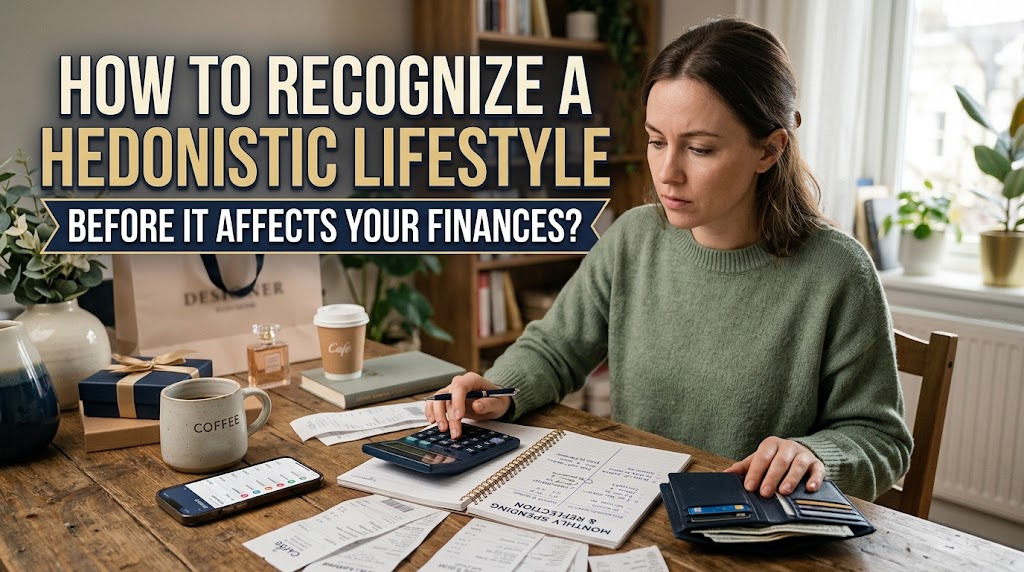
A hedonistic lifestyle is often associated with entertainment, shopping, luxury, and the desire to enjoy life. Enjoying pleasant experiences is not necessarily a problem, but difficulties can arise when pleasure becomes the main priority in everyday decisions. Without proper awareness, small spending habits can gradually develop into excessive spending that affects financial stability.
Recognizing the signs early can help young people make better financial decisions. By understanding the difference between needs and wants, monitoring spending patterns, and developing financial discipline, it becomes easier to prevent a hedonistic lifestyle from damaging personal finances.
WHAT IS A HEDONISTIC LIFESTYLE?
A hedonistic lifestyle is a way of living in which pleasure, comfort, and immediate satisfaction become important priorities. People with this lifestyle may frequently spend money on entertainment, fashion, dining, travel, gadgets, or other enjoyable experiences. There is nothing wrong with enjoying these things when they remain within reasonable limits. The problem begins when pleasure consistently takes priority over savings, responsibilities, and future goals.
A hedonistic lifestyle can also appear differently from person to person. Someone may not purchase expensive luxury products but could spend excessively on food delivery, online shopping, subscriptions, or social activities. Therefore, recognizing the pattern requires looking at overall spending behavior, rather than judging financial habits based only on visible luxury.
EARLY SIGNS OF HEDONISTIC SPENDING
One early sign is frequently purchasing things that are not actually necessary. Impulsive buying can happen when a person sees an attractive product and immediately decides to purchase it without considering whether it is useful or affordable. Repeatedly buying products because they are trendy can also indicate that spending is being influenced more by desire than by necessity. Another warning sign is feeling uncomfortable when unable to participate in expensive activities with friends.
A person may also notice that money disappears quickly even though there are no major essential expenses. Regular spending on entertainment, restaurants, fashion, gadgets, or online shopping can gradually become a significant part of the monthly budget. If these expenses repeatedly interfere with personal savings or important financial obligations, they should be taken seriously. Recognizing these patterns early makes it easier to change them before they become difficult habits.
WHEN SHOPPING BECOMES EMOTIONALLY DRIVEN
Shopping can sometimes be used as a way to improve mood or escape from stress. Buying something may create temporary happiness, but this feeling can encourage repeated purchases whenever someone feels bored, disappointed, or emotionally tired. When spending becomes a response to emotions rather than actual needs, it can develop into emotionally driven consumption.
Another warning sign is feeling regret after shopping but continuing to repeat the behavior. A person may tell themselves that a particular purchase will be the last one, only to make another purchase shortly afterward. Over time, this pattern can contribute to excessive spending and make financial planning more difficult. Learning to pause before purchasing can help distinguish between a genuine need and a temporary emotional desire.
HOW SOCIAL MEDIA AND FOMO CAN HIDE THE PROBLEM
Social media can make hedonistic habits difficult to recognize because certain lifestyles are constantly presented as normal or desirable. Young people may regularly see influencers, celebrities, or friends sharing expensive meals, holidays, fashionable products, and entertainment activities. This can create social comparison, making someone feel that their own lifestyle is less exciting or successful.
The feeling of FOMO, or fear of missing out, can make the situation stronger. A person may spend money simply because they do not want to miss a popular event, limited-time promotion, new product, or social activity. Although each decision may seem small, repeated FOMO-driven spending can become a serious financial burden. Understanding the influence of social media can help people recognize when their purchases are based on personal priorities rather than external pressure.
WARNING SIGNS IN YOUR FINANCIAL CONDITION
Financial problems can provide clear evidence that a lifestyle has become too focused on immediate enjoyment. One warning sign is consistently spending more than planned at the end of each month. Another is having little or no money left for personal savings after paying for entertainment and lifestyle expenses. Regularly using credit or borrowing money for non-essential purchases can also indicate that spending habits need to be reconsidered.
Difficulty paying important bills is an even stronger financial warning sign. If lifestyle expenses begin interfering with education, housing, transportation, emergency funds, or other essential needs, the problem should not be ignored. A healthy financial situation should allow room for both current enjoyment and future responsibilities. Monitoring income, expenses, savings, and debt can help reveal whether spending habits are becoming unsustainable.
HOW TO RECOGNIZE AND CONTROL THE HABIT EARLY
The first step is to review spending honestly and identify where money goes each month. Creating a simple budget can make it easier to separate needs and wants and determine which expenses provide genuine value. Before making a non-essential purchase, it can help to ask whether the item is necessary, affordable, and useful in the long term. Waiting before purchasing can also reduce the possibility of impulsive buying.
It is equally important to create financial goals that are more meaningful than short-term pleasure. Building savings, preparing an emergency fund, investing for the future, or saving for education can provide stronger motivation to control unnecessary spending. Enjoying entertainment and rewarding yourself can still be part of a healthy lifestyle as long as it fits within a realistic budget. With responsible spending and consistent financial discipline, people can enjoy life without allowing consumption to control their financial future.
CONCLUSION
Recognizing a hedonistic lifestyle early can prevent everyday enjoyment from turning into serious financial problems. Frequent impulsive buying, FOMO-driven purchases, emotional shopping, and excessive spending on non-essential activities can be important warning signs. Social media can also make these behaviors appear normal by encouraging comparison and constant participation in lifestyle trends. Maintaining financial planning, personal savings, and a clear distinction between needs and wants can help create healthier spending habits. Ultimately, enjoying life is not the problem; the key is maintaining a balance between present happiness and long-term financial security.
Tentang Penulis
Gusti Ayu Tita P
Penulis — Universitas STEKOM
Penulis aktif yang berfokus pada isu-isu akademik, teknologi pendidikan, dan pengembangan sumber daya manusia di lingkungan kampus.















