How to Start a Personal Shopper Business for Beginners and Make It Profitable?
Gusti Ayu Tita P
10 September 2026
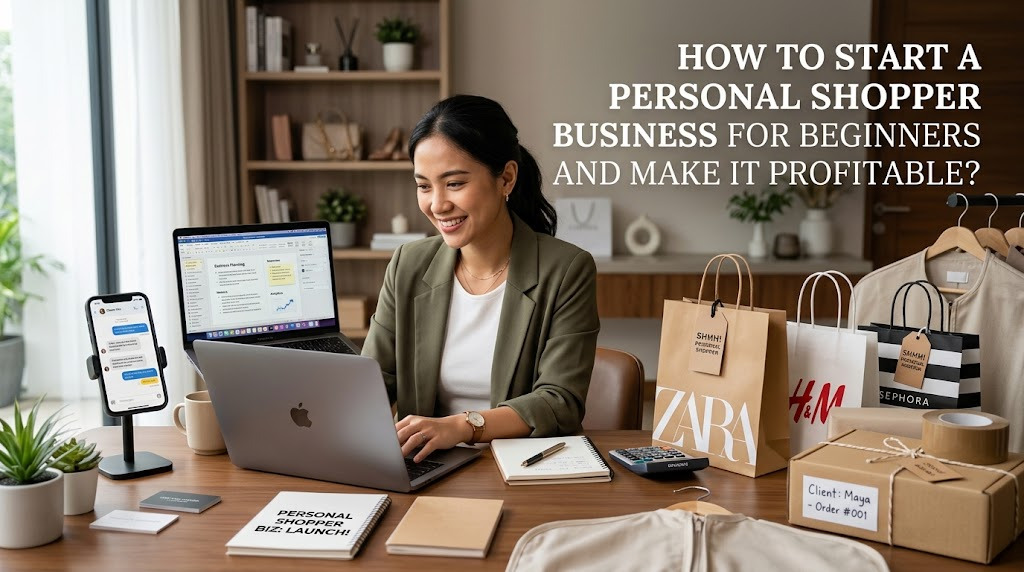
A personal shopper business is a service that helps customers purchase products from certain stores, locations, or cities. Customers usually use this service when they cannot visit the seller directly or want to buy products that are difficult to find in their area. The personal shopper, often called a personal shopper or shopper, purchases the requested products and sends them to the customers. In return, the shopper receives a service fee or profit from each transaction. This business can be started on a small scale because it does not always require a physical store.
Before starting, beginners should understand how the business operates from ordering to delivery. The shopper needs to communicate clearly with customers about product prices, service fees, shipping costs, payment methods, and delivery times. Good communication is important because customers are trusting the shopper to handle their money and purchase their requested products correctly. A clear system can also reduce misunderstandings and complaints.
CHOOSING PRODUCTS AND TARGET CUSTOMERS
Choosing the right products is one of the most important steps when starting a personal shopper business. Beginners can focus on products that are popular, difficult to find locally, or available at better prices in certain locations. Examples include fashion items, local food, cosmetics, accessories, souvenirs, and limited-edition products. However, every product should be checked carefully for availability, quality, legal restrictions, and shipping requirements.
A clear target market can make promotional activities more effective. For example, a shopper could focus on students looking for affordable fashion products or customers interested in special products from another city. Understanding customer interests helps the shopper select products that have a higher chance of being ordered. It is better to start with a focused product category than to offer too many unrelated products at the beginning.
PREPARING CAPITAL AND SETTING SERVICE FEES
A beginner does not necessarily need a large amount of capital to start a personal shopper service. The initial budget can be used for transportation, packaging materials, internet access, and other operational needs. Depending on the business model, customers may also be required to make an advance payment before the shopper purchases their products. This method can reduce the risk of using personal money to cover customer orders.
The personal shopper service fee should be calculated carefully so that the business remains profitable while staying attractive to customers. The fee can be a fixed amount, a percentage of the product price, or a combination of both. The shopper should also consider transportation, packaging, payment processing, and possible product-handling costs. A transparent pricing system makes customers more comfortable because they can understand exactly what they are paying for.
CREATING A SIMPLE AND RELIABLE ORDER SYSTEM
A good order system helps beginners manage multiple customers without losing track of their requests. Each order should contain important information such as the customer's name, product details, quantity, price, service fee, shipping address, and payment status. This information can be recorded using a spreadsheet, notes application, or other simple digital tools. Organized records make it easier to check orders and prevent mistakes.
The shopper should establish clear rules before accepting an order. Customers need to know when orders close, when payments must be completed, whether cancellations are allowed, and how refunds are handled. The shopper should also send updates when the product has been purchased, packed, and shipped. A simple but consistent system can improve customer satisfaction and support long-term business growth.
PROMOTING THE BUSINESS THROUGH DIGITAL PLATFORMS
The digital era provides many opportunities to promote a personal shopper business without spending a large amount of money on advertising. Social media platforms can be used to display available products, announce order schedules, and share customer testimonials. Short videos, product photos, and informative captions can help potential customers understand the service. A consistent online presence can also make a new business look more professional.
Beginners should create promotional content that is honest, clear, and visually appealing. Instead of only posting product prices, they can explain the benefits of using the service and show the purchasing process. Relevant SEO keywords and clear descriptions can also help online content become easier to discover. Most importantly, promotional information should match the actual service so customers do not develop unrealistic expectations.
BUILDING CUSTOMER TRUST AND MAINTAINING SERVICE QUALITY
Customer trust is one of the most valuable assets in a personal shopper business. Shoppers handle customer money, personal information, and product requests, so they need to demonstrate responsibility from the beginning. Providing accurate prices, keeping payment records, and communicating order progress can strengthen customer confidence. Using genuine product photos and explaining product conditions honestly can also reduce misunderstandings.
Service quality should remain consistent even when the number of orders increases. If a product becomes unavailable, the shopper should inform the customer instead of making an unsupported promise. Problems involving delays, damaged products, or incorrect orders should be handled professionally. By maintaining transparency, communication, and accountability, a beginner can turn first-time customers into repeat customers.
CONCLUSION
Starting a personal shopper business for beginners can be a promising opportunity when it is managed with a clear strategy. The most important steps include choosing suitable products, identifying a target market, calculating competitive service fees, organizing orders, and promoting the business through digital platforms. Beginners should also prioritize customer trust and transparent communication because these factors strongly influence repeat purchases. With careful financial management and consistent service quality, a small personal shopper business can gradually become a profitable and sustainable source of income.
Tentang Penulis
Gusti Ayu Tita P
Penulis — Universitas STEKOM
Penulis aktif yang berfokus pada isu-isu akademik, teknologi pendidikan, dan pengembangan sumber daya manusia di lingkungan kampus.