
How to Start Homeschooling Successfully for Beginners?
Gusti Ayu Tita P
19 September 2026
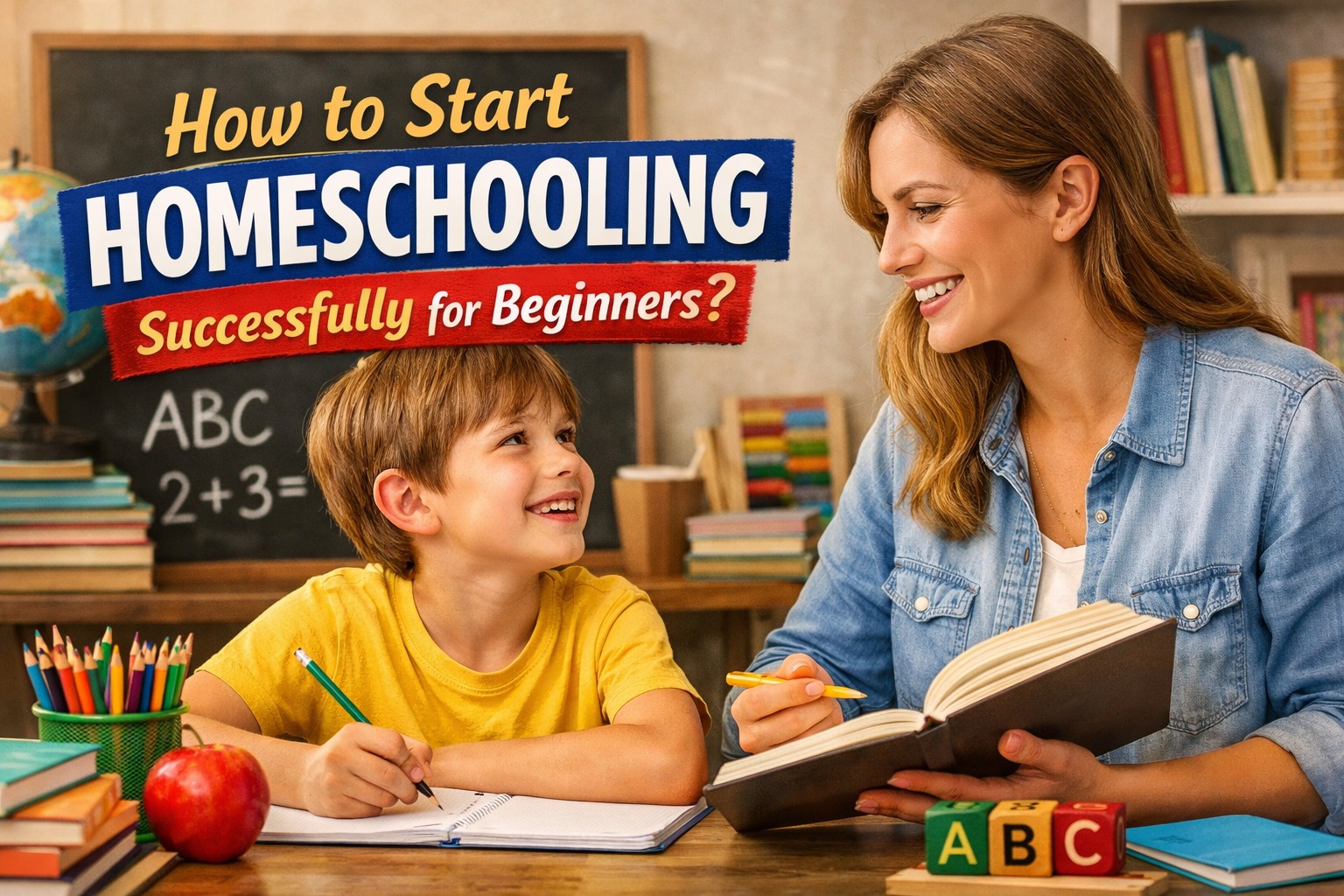
Homeschooling has become an increasingly popular choice for parents who want a more flexible, personalized, and effective learning experience for their children. Unlike traditional schools, homeschooling allows families to adjust learning schedules, teaching methods, and educational goals according to the child's needs and interests.
However, starting homeschooling for the first time can feel overwhelming for many parents. Questions about curriculum, schedules, social interaction, and legal requirements often arise. Understanding the right steps from the beginning can help families build a successful homeschooling journey that is enjoyable and productive.
UNDERSTAND YOUR REASONS FOR CHOOSING HOMESCHOOLING
Before starting, it is important to identify the main reasons for choosing homeschooling. Some families prefer homeschooling because of the flexibility of learning time, while others want a more customized educational approach that suits their child's strengths and weaknesses.
Having clear goals will make it easier to choose teaching methods, educational materials, and long-term plans. Whether the goal is academic excellence, skill development, character building, or a combination of all three, a clear vision provides direction for the homeschooling process.
LEARN ABOUT HOMESCHOOLING REGULATIONS IN YOUR AREA
Every country or region may have different rules regarding homeschooling. Parents should research local educational regulations to ensure that their homeschooling program follows the required standards and procedures.
Understanding legal requirements can prevent administrative issues in the future. It also helps parents prepare necessary documents, assessments, or reports if these are required by local education authorities.
CHOOSE THE RIGHT HOMESCHOOLING METHOD
There are various homeschooling approaches that families can adopt. Some popular methods include traditional homeschooling, project-based learning, Montessori-inspired education, and online learning programs.
Selecting the right method depends on the child's learning style and the family's daily routine. Some children perform better with structured lessons, while others thrive with creative projects and hands-on activities that encourage curiosity and independence.
SELECT AN APPROPRIATE CURRICULUM
Choosing a curriculum is one of the most important decisions for beginners. A good curriculum should cover essential subjects while remaining flexible enough to adapt to the child's progress and interests.
Parents do not need to follow one curriculum strictly. Many successful homeschoolers combine textbooks, digital resources, educational videos, and practical experiences to create a balanced and engaging learning environment.
CREATE A REALISTIC LEARNING SCHEDULE
One of the biggest advantages of homeschooling is scheduling flexibility. Nevertheless, establishing a consistent routine helps children develop discipline and learning habits.
The schedule does not need to imitate a traditional school timetable. Short learning sessions combined with breaks, physical activities, and creative projects often lead to better concentration and improved learning outcomes.
PREPARE A COMFORTABLE LEARNING ENVIRONMENT
A dedicated learning space can improve focus and productivity. The area does not need to be large or expensive, but it should be organized, comfortable, and free from distractions.
Providing easy access to books, stationery, educational tools, and digital devices can support daily learning activities. A positive environment also encourages children to enjoy studying and become more independent learners.
ENCOURAGE SOCIAL INTERACTION AND ACTIVITIES
One common concern about homeschooling is socialization. In reality, homeschooled children can develop excellent social skills through community programs, sports clubs, hobby groups, and extracurricular activities.
Participating in group activities allows children to build friendships, teamwork skills, and communication abilities. Social experiences are an essential part of a balanced homeschooling education.
USE TECHNOLOGY AS A LEARNING TOOL
Technology offers countless opportunities for homeschoolers. Educational platforms, online courses, virtual laboratories, and interactive applications can make lessons more engaging and accessible.
Parents should use technology wisely by balancing screen time with offline activities such as reading, experiments, and outdoor exploration. Combining both approaches creates a richer learning experience.
MONITOR PROGRESS AND ADJUST WHEN NECESSARY
Regular evaluation helps parents understand whether learning goals are being achieved. Assessments can include quizzes, projects, presentations, portfolios, or simple discussions about what the child has learned.
Homeschooling provides the freedom to adjust methods and materials whenever needed. If a strategy does not work effectively, parents can quickly make changes to better support their child's development.
BE PATIENT AND ENJOY THE JOURNEY
Homeschooling success does not happen overnight. Both parents and children need time to adapt to new routines, responsibilities, and expectations.
Patience, consistency, and open communication are essential factors in creating a positive homeschooling experience. By focusing on progress rather than perfection, families can enjoy a rewarding educational journey together.
CONCLUSION
Starting homeschooling successfully requires planning, commitment, and flexibility. By understanding educational goals, selecting the right curriculum, creating effective schedules, and encouraging social interaction, beginners can build a strong foundation for long-term success.
Homeschooling is not simply about studying at home; it is about creating an educational experience that supports the child's unique potential, interests, and future aspirations.
Tentang Penulis
Gusti Ayu Tita P
Penulis — Universitas STEKOM
Penulis aktif yang berfokus pada isu-isu akademik, teknologi pendidikan, dan pengembangan sumber daya manusia di lingkungan kampus.