
How To Start Yoga For Beginners Easily And Safely?
Gusti Ayu Tita P
1 September 2026
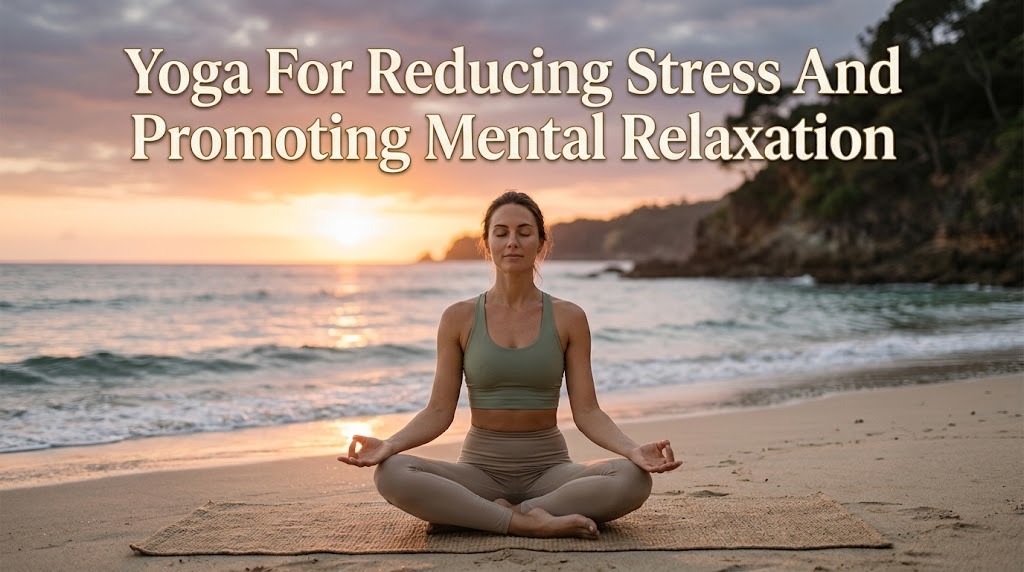
Yoga is a form of physical activity that combines movement, breathing, balance, flexibility, and body awareness. It can be practiced by people with different fitness levels, including those who have never exercised regularly before. For beginners, starting with simple movements is usually more appropriate than immediately trying advanced poses. With the right approach, yoga can become a comfortable and sustainable part of a healthy routine.
Many beginners feel unsure about where to start because yoga has many styles and poses. The good news is that you do not need to be flexible or experienced to begin. Patience, consistency, and proper technique are more important than performing difficult poses. Learning gradually can also help reduce the risk of unnecessary strain.
UNDERSTAND THE BASICS OF YOGA
Before starting, it is useful to understand that yoga is not simply about stretching. It can involve physical poses, breathing techniques, concentration, and relaxation. Different styles have different levels of intensity and purposes. Understanding the basics can help beginners choose a practice that matches their needs.
Beginners should not feel pressured to perform poses perfectly. Every person's flexibility, strength, and balance are different. The goal is to learn how the body moves while staying within a comfortable range. Progress should be gradual, especially during the first few weeks of practice.
CHOOSE THE RIGHT YOGA STYLE
Choosing a beginner-friendly style can make the first experience more comfortable. Hatha yoga is often suitable for beginners because classes commonly move at a slower pace and allow time to learn basic poses. Gentle yoga and restorative yoga can also be options for people who prefer a relaxed approach. More active styles can be explored after becoming familiar with basic movements.
The best choice depends on your physical condition and personal goals. Someone who wants relaxation may prefer gentle sessions, while someone seeking a more active workout may eventually choose a dynamic style. If you are unsure, begin with a class clearly labeled for beginners. Starting at an appropriate level makes learning easier and more enjoyable.
PREPARE A COMFORTABLE PRACTICE SPACE
Yoga can be practiced at home without complicated equipment. A stable and non-slip surface is important because it can provide better support during movement. A yoga mat can make the practice more comfortable, although other suitable surfaces may also work. Keep the area free from objects that could cause trips or falls.
Wear clothing that allows your body to move freely. You do not need expensive sportswear or specialized equipment to begin. If needed, simple props such as a cushion or yoga block can provide additional support. Comfort and stability should be prioritized over appearance or expensive equipment.
START WITH SIMPLE YOGA POSES
Beginners should start with basic poses that are easy to understand and control. Mountain Pose, Child's Pose, Cat-Cow, and simple seated stretches can introduce basic body positions and movement patterns. These poses can also help beginners become more familiar with breathing and body awareness. There is no need to start with advanced balancing or flexibility poses.
Move slowly from one position to another and avoid sudden movements. If a pose feels too difficult, reduce the range of motion or use a suitable modification. The exact shape of a pose is less important than performing it comfortably and safely. Quality of movement is more important than forcing flexibility.
LEARN TO CONTROL YOUR BREATHING
Breathing is an important part of many yoga practices. Beginners can start by simply noticing their natural breathing pattern during movement. Try to keep the breath comfortable and avoid unnecessary breath holding. Slow and controlled breathing can help create a calmer and more focused practice.
Some yoga classes teach specific breathing techniques, but beginners do not need to master all of them immediately. Follow simple instructions and stop any technique that causes dizziness or discomfort. Breathing should support the practice rather than make it stressful. Comfortable breathing is a useful foundation for learning yoga.
PRACTICE ACCORDING TO YOUR ABILITY
Every beginner starts from a different physical level. Some people may already have good strength but limited flexibility, while others may have the opposite experience. Do not compare your progress with other people in a class or online video. Your current ability should determine the difficulty of your practice.
It is perfectly normal to need modifications. Using a wall, block, or cushion can make certain movements more accessible. As your body becomes more familiar with the exercises, you can gradually increase the challenge. Small improvements over time are more valuable than trying to progress too quickly.
CREATE A REALISTIC YOGA ROUTINE
Consistency can help beginners become more comfortable with yoga. You do not need to practice for a long time every day to start building a habit. A short session performed regularly can be easier to maintain than an intense session that is done only occasionally. A realistic schedule should fit naturally into your daily activities.
Choose a time when you are unlikely to be interrupted. Some people prefer practicing in the morning, while others enjoy yoga in the evening. Start with a manageable frequency and adjust it according to your energy and schedule. The most important goal is to make yoga a sustainable part of your routine.
WARM UP BEFORE MORE DEMANDING MOVEMENTS
A gentle warm-up can prepare the body for more demanding movements. Begin with simple movements involving the neck, shoulders, spine, hips, and legs without forcing the range of motion. This gives you an opportunity to notice how your body feels before increasing the intensity. Gradual preparation is especially useful for beginners.
Do not treat the warm-up as something that must be rushed. Spend enough time becoming comfortable with movement and breathing. If your body feels stiff or tired, choose gentler exercises instead of immediately increasing the difficulty. Preparation and patience can make the practice more comfortable.
LISTEN TO YOUR BODY
Learning to recognize physical signals is one of the most important parts of safe yoga practice. A mild stretching sensation can be different from sharp pain, numbness, or unusual discomfort. If a movement causes significant pain, stop and adjust the position. Pain should not be used as a measure of successful yoga practice.
Your body may also feel different from one day to another. Lack of sleep, fatigue, previous exercise, and other factors can affect how you move. Adjust the intensity when necessary instead of forcing yourself to follow a fixed routine. Listening to your body helps create a safer and more sustainable practice.
AVOID COMMON BEGINNER MISTAKES
One common mistake is trying to copy advanced poses without learning the basic technique first. Another is forcing the body to achieve a deeper stretch than it can comfortably handle. Beginners may also hold their breath or move too quickly between poses. These habits can make the practice less comfortable and potentially increase the risk of injury.
Avoid comparing your body or progress with experienced practitioners. Yoga is a personal practice, and different people naturally have different levels of strength and flexibility. Follow clear instructions and make modifications when necessary. Learning slowly and correctly is more beneficial than rushing toward difficult poses.
KNOW WHEN TO SEEK PROFESSIONAL ADVICE
Most healthy adults can participate in appropriate physical activity, but individual circumstances can vary. People with injuries, significant pain, or certain health conditions should consider asking a qualified health professional about suitable exercise. A qualified yoga instructor can also help modify poses according to a person's ability. Professional guidance can be particularly useful when there are specific physical limitations.
If you experience persistent pain, severe dizziness, or other unusual symptoms during exercise, stop the activity and seek appropriate medical advice. Do not assume that discomfort is simply part of learning yoga. Safety should always take priority over completing a routine. Knowing your limits is an important part of becoming a responsible practitioner.
CONCLUSION
How to start yoga for beginners easily and safely begins with choosing an appropriate style, preparing a comfortable space, and learning basic movements. Beginners should focus on simple poses, controlled breathing, and gradual progress. There is no need to be flexible or experienced before starting yoga. The most important foundation is practicing within your own ability.
A successful beginner routine does not need to be complicated. Start with short sessions, practice consistently, and adjust movements whenever necessary. Proper technique, patience, body awareness, and consistency can help make yoga a safe and enjoyable activity. With time and regular practice, beginners can gradually develop greater confidence, flexibility, strength, and body control.
Tentang Penulis
Gusti Ayu Tita P
Penulis — Universitas STEKOM
Penulis aktif yang berfokus pada isu-isu akademik, teknologi pendidikan, dan pengembangan sumber daya manusia di lingkungan kampus.