How to Succeed in a Community Service Program and Create Real Impact?
Gusti Ayu Tita P
5 September 2026
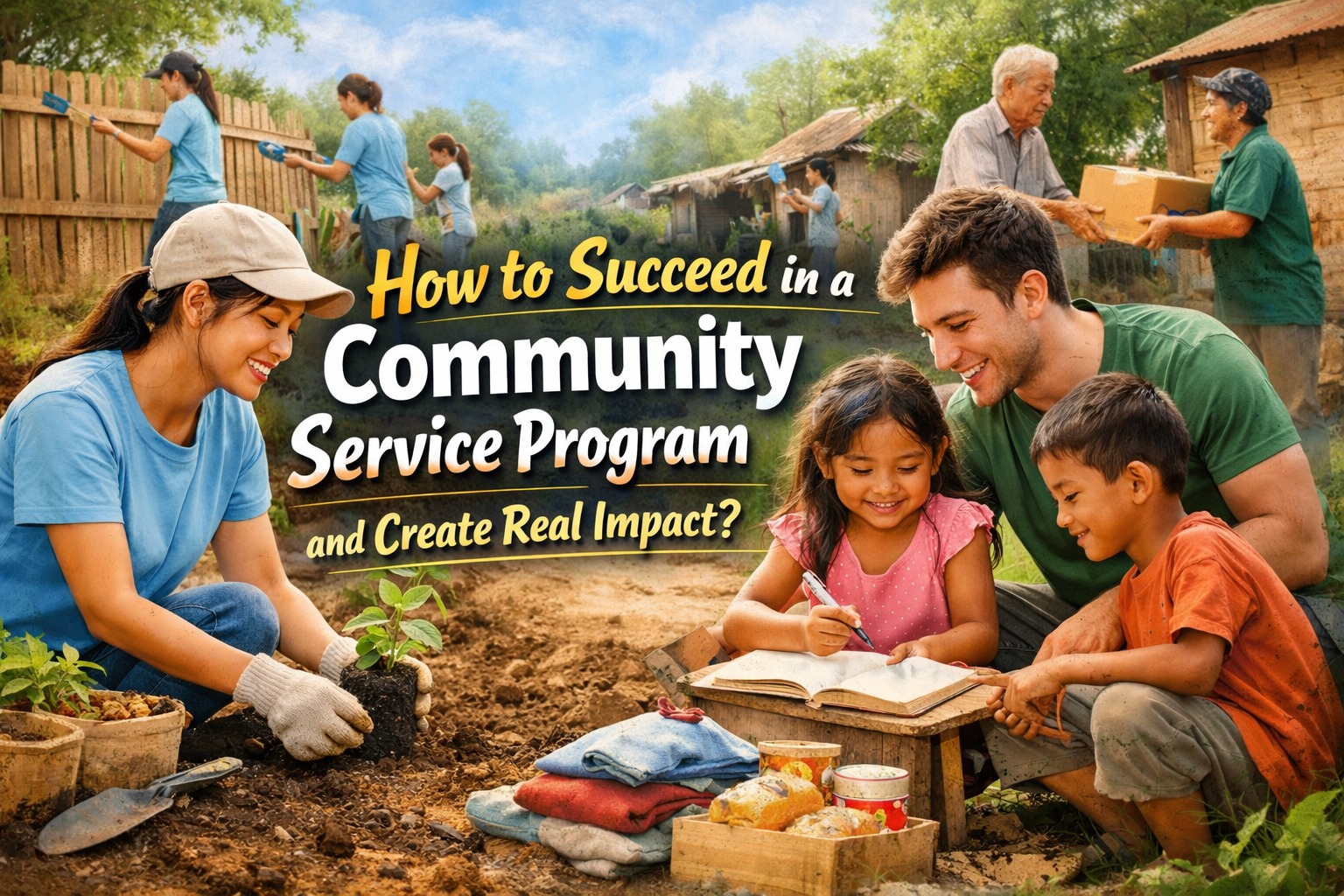
Community service programs provide valuable opportunities for students and volunteers to contribute to society while developing important personal and professional skills. Through direct interaction with communities, participants can understand real social challenges and become part of meaningful solutions. However, achieving success in a community service program requires more than enthusiasm alone. Proper planning, communication, and commitment are essential to create a lasting and positive impact.
UNDERSTANDING COMMUNITY NEEDS BEFORE TAKING ACTION
One of the most important steps in a successful community service program is understanding the actual needs of the community. Many programs fail because they focus on assumptions rather than real issues faced by local residents. Conducting surveys, interviews, and discussions with community leaders can help participants gather accurate information. This approach ensures that every activity is relevant and beneficial.
By identifying community priorities, volunteers can design programs that address specific problems effectively. Needs assessment, active listening, and community engagement help create stronger relationships between participants and local residents. When people feel heard and respected, they are more likely to support and participate in the program.
DEVELOPING A CLEAR AND REALISTIC PLAN
A well-structured plan is the foundation of every successful community service project. Participants should establish clear objectives, measurable targets, and realistic timelines before implementing activities. Having a detailed roadmap helps prevent confusion and ensures that resources are used efficiently.
Planning should also include potential challenges and alternative solutions. Unexpected situations such as weather conditions, budget limitations, or low participation rates may occur during implementation. By preparing contingency plans, volunteers can remain flexible and continue working toward their goals without significant disruptions.
BUILDING STRONG TEAMWORK AND COMMUNICATION
Effective teamwork is essential for achieving meaningful outcomes in community service programs. Each member should understand their responsibilities and contribute according to their strengths. Good collaboration improves productivity and helps projects run smoothly.
Open communication within the team is equally important. Regular meetings, progress evaluations, and constructive feedback allow members to address issues quickly. Strong communication also strengthens trust and encourages a supportive environment where everyone can work toward a common purpose.
IMPLEMENTING SUSTAINABLE AND PRACTICAL SOLUTIONS
Successful community service programs focus on creating long-term benefits rather than temporary results. Instead of providing short-term assistance only, participants should develop initiatives that empower local communities. Examples include educational workshops, entrepreneurship training, environmental awareness campaigns, and digital literacy programs.
Sustainable solutions help communities continue progressing even after the program ends. Capacity building, knowledge transfer, and community empowerment ensure that local residents can maintain and expand the benefits independently. This approach increases the overall effectiveness and impact of the program.
EVALUATING RESULTS AND MEASURING IMPACT
Evaluation is a crucial part of every community service initiative. Participants should assess whether the program objectives were achieved and identify areas for improvement. Collecting feedback from community members provides valuable insights into the program's effectiveness and relevance.
Measuring impact helps determine the real value created by the project. Indicators such as increased knowledge, improved skills, higher community participation, or positive behavioral changes can demonstrate success. Continuous evaluation also helps future programs become more efficient and impactful.
DEVELOPING PERSONAL GROWTH THROUGH COMMUNITY SERVICE
Community service programs do not only benefit local communities but also contribute to personal development. Participants gain practical experience, leadership abilities, problem-solving skills, and cultural awareness. These experiences often prepare students and volunteers for future academic and professional challenges.
Working directly with diverse groups of people also builds empathy and social responsibility. Participants learn the importance of cooperation, adaptability, and service-oriented leadership. These qualities can have lasting benefits throughout their personal and professional lives.
CONCLUSION
Succeeding in a community service program requires careful preparation, effective teamwork, sustainable solutions, and continuous evaluation. By understanding community needs and focusing on long-term impact, participants can create meaningful changes that benefit both society and themselves. A successful community service experience is not measured solely by completed activities but by the positive and lasting impact left behind. Through dedication, collaboration, and genuine commitment, anyone can contribute to building stronger and more resilient communities.
Tentang Penulis
Gusti Ayu Tita P
Penulis — Universitas STEKOM
Penulis aktif yang berfokus pada isu-isu akademik, teknologi pendidikan, dan pengembangan sumber daya manusia di lingkungan kampus.