How To Update Vehicle Registration Information?
Gusti Ayu Tita P
7 September 2026
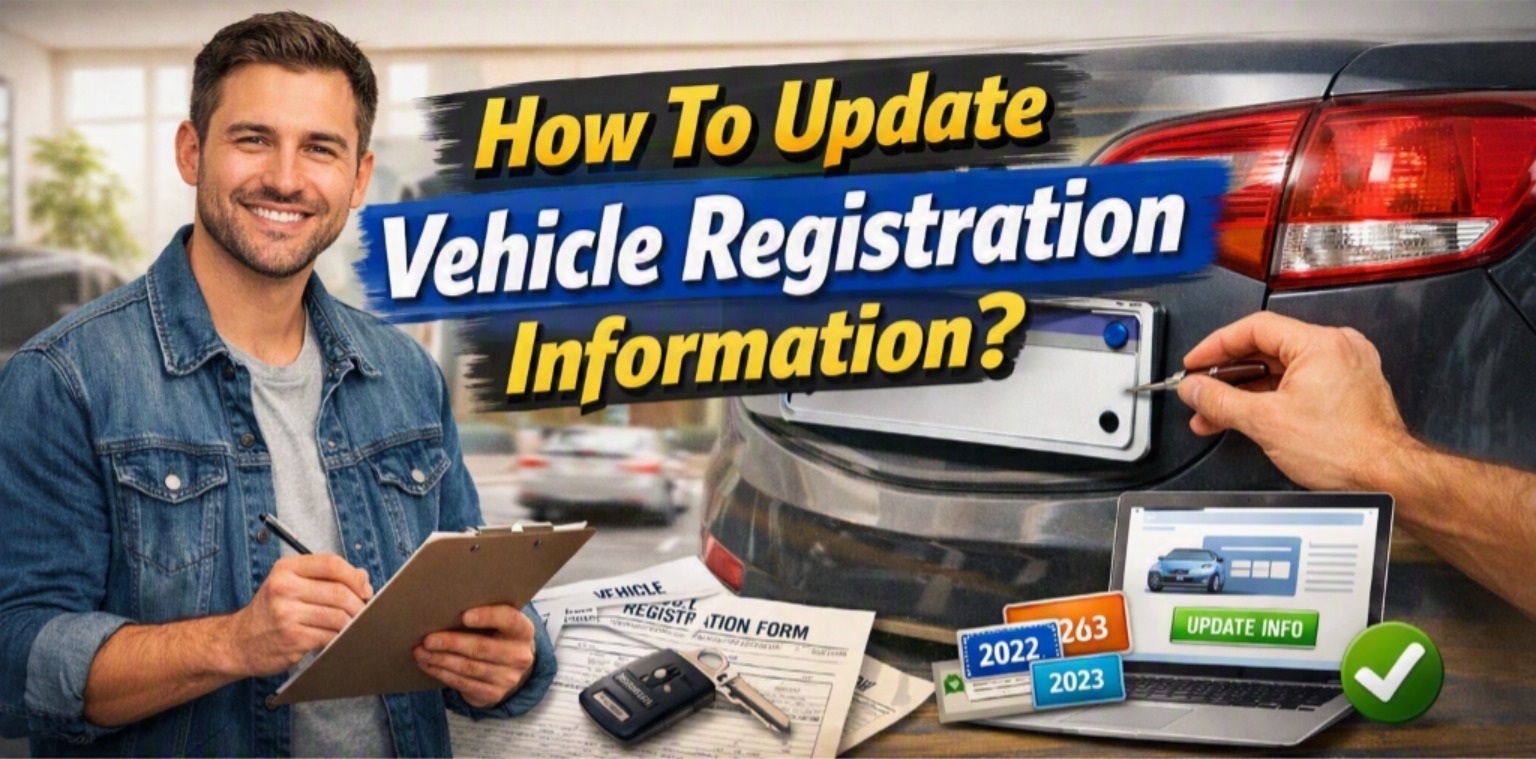
Keeping vehicle registration information accurate is important for every vehicle owner. Registration records connect a vehicle with its owner, address, identification details, and other official information. When these details change, the registration record may also need to be updated with the relevant vehicle authority. Failing to update the information can cause problems with official notices, insurance records, vehicle transactions, or future registration renewals.
The exact procedure can differ between countries, states, and provinces. However, the basic process usually involves checking the current registration requirements, preparing supporting documents, submitting the change, and paying any applicable fee. Understanding each step can make the process easier and help prevent unnecessary delays.
WHEN SHOULD VEHICLE REGISTRATION INFORMATION BE UPDATED?
Vehicle registration information should generally be updated whenever an important detail in the official record changes. A common example is a change of residential address, especially when government agencies send registration notices by mail. In some jurisdictions, owners must also update information after a change of vehicle ownership. Other changes may include corrections to personal information or modifications to specific vehicle records.
The deadline for reporting a change depends on the local vehicle authority. Some jurisdictions require changes to be reported within a specific number of days, while others have different requirements depending on the type of update. It is therefore important to check the rules of the authority that issued the vehicle registration. Updating information promptly helps ensure that official records remain accurate and current.
CHECK THE VEHICLE REGISTRATION REQUIREMENTS
The first step is to identify the vehicle registration authority responsible for your vehicle. This may be a motor vehicle department, transport agency, or another government office depending on your location. Official websites and government service centers usually provide instructions about changing registration information. Checking these requirements before starting can help you understand the available application methods and required documents.
You should also determine whether the update can be completed online, by mail, or in person. Some simple changes may be handled digitally, while ownership changes or other complex updates may require additional verification. Pay attention to deadlines, identification requirements, service fees, and appointment rules. Using information from the official authority is safer than relying on unofficial instructions.
PREPARE THE REQUIRED DOCUMENTS
The documents required depend on the type of registration information being changed. For a basic personal information or address update, you may need proof of identity, current vehicle registration, and evidence of your new address. An ownership change may require additional documents, such as a title, transfer form, bill of sale, or other ownership evidence. Requirements can also vary based on whether the vehicle is privately owned, leased, financed, or registered to a business.
Before submitting an application, check that all documents contain consistent and accurate information. Make sure names, identification details, vehicle identification numbers, and other important information are entered correctly. If the authority requires original documents, certified copies, or specific forms, follow those instructions carefully. Preparing everything in advance can reduce the risk of having the application rejected or delayed.
UPDATE THE INFORMATION ONLINE OR IN PERSON
Many vehicle authorities now provide online registration services for certain types of changes. If online service is available, you may need to create an account, enter your vehicle details, upload supporting documents, and confirm the requested changes. After submitting the application, keep the confirmation number or electronic receipt as proof that the request was completed. Some online systems may also allow you to check the status of the update.
If online updating is not available, you may need to visit a vehicle registration office. Bring the required documents, current registration information, and any applicable payment. An officer may review the documents and verify the requested changes before updating the record. Following the office's instructions carefully can make an in-person visit faster and more efficient.
UPDATE YOUR ADDRESS CORRECTLY
A change of address is one of the most common reasons people need to update vehicle registration information. The new address should be entered exactly as required by the local authority. In some jurisdictions, updating your address for a driver's license or identification record does not automatically update your vehicle registration. You may therefore need to submit a separate request for the vehicle record.
Address information is important because government agencies may use the registration record to send renewal notices, legal correspondence, tax information, or other official documents. An incorrect address can cause important communications to be missed. After completing the change, verify that the new address appears correctly in the updated record. If you have multiple vehicles, check whether each vehicle must be updated separately.
UPDATE VEHICLE OWNERSHIP INFORMATION
When a vehicle is sold, transferred, inherited, or otherwise changes ownership, the registration record may need to be updated. Ownership changes can involve more documentation than a simple address correction. The seller and buyer may have separate responsibilities, depending on local regulations. Some jurisdictions also require the transfer to be reported within a specific period.
Before completing an ownership update, make sure the vehicle title and transfer documents are properly completed. Check that the vehicle identification number and names of the parties match the official records. If the vehicle is financed or leased, additional requirements may apply. Completing the ownership process correctly helps prevent future disputes and ensures that the government record identifies the appropriate owner.
PAY THE REQUIRED FEES
Some registration updates are free, while others require a service or administrative fee. The amount can depend on the type of change, location, vehicle category, or other factors. Ownership transfers may involve additional costs such as registration, title, tax, or transfer charges. Always check the current fee information provided by the official vehicle authority.
If payment is required, use an approved payment method offered by the authority. Keep the receipt or electronic confirmation after payment. This document can be useful if there is a problem with the transaction or if you need to prove that the required fee was paid. Avoid relying on unofficial payment instructions or third-party services unless they are specifically authorized.
VERIFY THE UPDATED REGISTRATION RECORD
Completing the application does not mean you should immediately forget about the process. After the update has been processed, review the new registration information carefully. Check important details such as your name, address, vehicle identification number, registration number, and other relevant information. Errors should be reported to the responsible authority as soon as possible.
You should also keep copies of confirmation documents, receipts, and updated registration records for your files. Digital copies can be useful, but some jurisdictions may require physical documents for certain transactions. If you do not receive confirmation within the expected processing period, contact the official registration authority. Taking these steps provides additional protection against administrative errors.
AVOID COMMON REGISTRATION UPDATE MISTAKES
One common mistake is submitting an application without checking the latest local requirements. Registration procedures can change, and requirements that applied previously may no longer be valid. Another mistake is providing incomplete documents or entering incorrect vehicle information. These issues can result in delays or require the application to be submitted again.
It is also important not to ignore registration deadlines. Delayed updates may create penalties or complications, depending on local law. Never assume that changing one government record automatically changes every other record connected to your vehicle. Carefully confirm which records need to be updated and keep evidence of each completed change.
CONCLUSION
Once your information has been successfully updated, confirm that the official vehicle record reflects the requested changes. Store the updated registration document and any confirmation received from the authority in a safe place. If you changed ownership or another major registration detail, check whether your insurance provider or other relevant organization also needs updated information. Keeping these records consistent can help prevent problems later.
Remember that vehicle registration requirements are location specific. The safest approach is to follow the instructions published by the government agency responsible for vehicle registration in your jurisdiction. When you are unsure about a requirement, contact that authority directly before submitting the application. With the correct documents and accurate information, updating a vehicle registration record can usually be completed smoothly.
Tentang Penulis
Gusti Ayu Tita P
Penulis — Universitas STEKOM
Penulis aktif yang berfokus pada isu-isu akademik, teknologi pendidikan, dan pengembangan sumber daya manusia di lingkungan kampus.