How Tolerance Builds Stronger Communities?
Gusti Ayu Tita P
30 September 2026
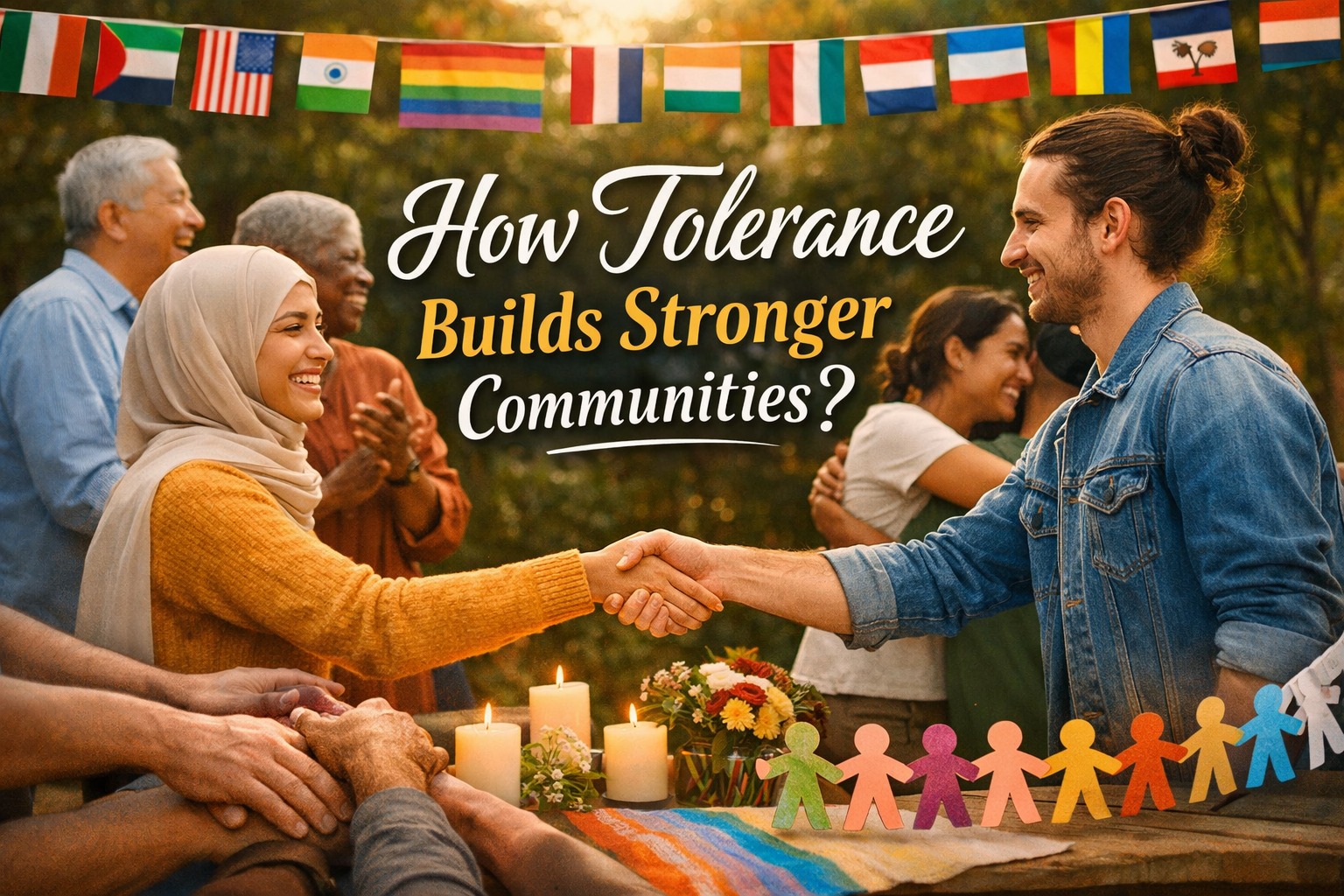
Tolerance is one of the most valuable qualities that helps individuals and communities live peacefully despite their differences. In today's diverse society, people come from different cultures, religions, backgrounds, and beliefs. Tolerance encourages mutual respect, understanding, and cooperation, making it easier for everyone to work together toward common goals. Communities that embrace tolerance are generally more united, resilient, and capable of overcoming social challenges.
WHAT DOES TOLERANCE MEAN IN DAILY LIFE?
Tolerance means accepting and respecting people even when they have different opinions, traditions, religions, or lifestyles. It does not require people to abandon their own beliefs but instead encourages them to appreciate diversity without discrimination. This attitude helps reduce prejudice and creates opportunities for meaningful conversations between individuals with different perspectives.
In everyday life, tolerance can be practiced through simple actions such as listening respectfully, avoiding stereotypes, helping neighbors regardless of their background, and resolving disagreements peacefully. These small habits gradually build trust among community members and create an environment where everyone feels valued and respected.
HOW TOLERANCE STRENGTHENS COMMUNITIES?
Communities become stronger when people work together despite their differences. Tolerance promotes cooperation, allowing individuals from diverse backgrounds to contribute their unique ideas and experiences. This diversity often leads to better problem-solving, increased creativity, and stronger social connections.
When people feel accepted, they are more likely to participate in community activities, volunteer programs, and local development projects. Inclusive communities also experience fewer conflicts because residents are more willing to communicate openly and find peaceful solutions to disagreements. As trust grows, the entire community benefits from greater unity and stability.
THE BENEFITS OF TOLERANCE FOR SOCIAL HARMONY
One of the greatest benefits of tolerance is the creation of social harmony. Respecting differences reduces misunderstandings and prevents discrimination, bullying, and social exclusion. People become more comfortable expressing themselves while respecting the rights of others.
Tolerance also encourages empathy and compassion, helping individuals understand the experiences and challenges faced by others. As empathy increases, communities become more supportive during difficult times, whether responding to natural disasters, economic challenges, or social issues. Strong social relationships make communities more resilient and adaptable.
THE ROLE OF EDUCATION AND FAMILIES IN PROMOTING TOLERANCE
Schools and families play an essential role in teaching tolerance from an early age. Parents can model respectful behavior by treating others fairly and encouraging children to appreciate cultural and religious diversity. These early lessons often shape positive attitudes that last throughout adulthood.
Educational institutions can further strengthen tolerance by promoting inclusive learning environments, encouraging teamwork, and teaching students about different cultures and perspectives. Community organizations, religious institutions, and local leaders also contribute by organizing activities that bring diverse groups together and encourage meaningful interaction.
PRACTICAL WAYS TO PRACTICE TOLERANCE EVERY DAY
Building tolerance does not require extraordinary efforts. Simple daily actions can create significant positive change over time. Listening carefully before judging others, respecting different opinions, using polite language, and avoiding hate speech all contribute to healthier relationships.
People can also expand their understanding by learning about different cultures, participating in community events, and building friendships with individuals from diverse backgrounds. Every act of kindness and respect helps strengthen trust and creates a more welcoming environment where everyone has the opportunity to thrive.
CONCLUSION
Tolerance is the foundation of strong, peaceful, and inclusive communities. By respecting differences, encouraging open communication, and working together, people can create environments where everyone feels safe, appreciated, and empowered. Although diversity may present challenges, it also provides valuable opportunities for learning and growth. Practicing tolerance every day helps build stronger relationships, reduces conflict, and creates communities that are better prepared for a successful future.
Tentang Penulis
Gusti Ayu Tita P
Penulis — Universitas STEKOM
Penulis aktif yang berfokus pada isu-isu akademik, teknologi pendidikan, dan pengembangan sumber daya manusia di lingkungan kampus.