Hydropower Technology Driving More Efficient Electricity Generation
Gusti Ayu Tita P
31 Agustus 2026
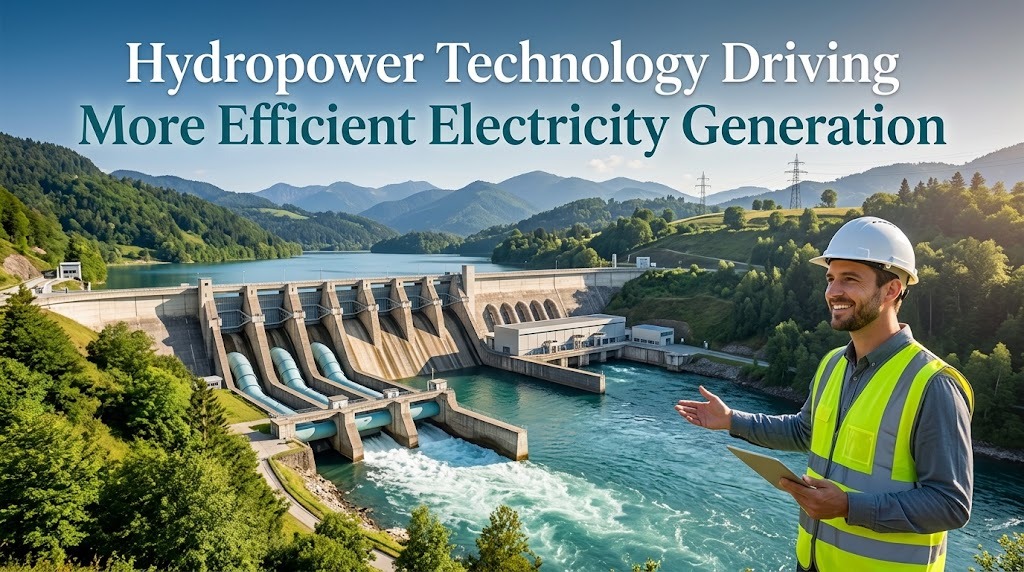
Hydropower technology continues to develop as electricity systems demand higher efficiency, reliability, and flexibility. Although hydropower is a mature technology, improvements in turbines, generators, control systems, sensors, and data analysis can make existing and new plants perform better. Modernization is especially important because many hydropower facilities around the world have been operating for decades. The International Energy Agency identifies modernization as an important opportunity to maintain and improve hydropower performance.
Modern technology is also changing how hydropower plants are operated. Digital controls can help operators respond more precisely to electricity demand, while advanced monitoring can identify equipment problems before they cause major failures. More efficient equipment and smarter operations can increase electricity production from available water resources. This makes technology an important part of the future of hydropower.
MODERN TURBINES IMPROVE ENERGY CONVERSION
The turbine is one of the most important components in a hydropower plant because it converts the energy of moving or falling water into mechanical rotation. Advanced turbine designs can improve hydraulic efficiency and reduce energy losses during operation. Engineers can use improved modeling and materials to optimize turbine blades for specific water conditions.
Different sites require different turbine designs because water flow and hydraulic head vary from one location to another. Francis, Kaplan, and Pelton turbines are commonly used for different operating conditions. Modern designs can also improve durability and reduce wear. Better turbine performance means more of the available water energy can be converted into useful electricity.
HIGHER EFFICIENCY FROM MODERN GENERATORS
After the turbine rotates, a generator converts mechanical energy into electricity. Improvements in generator design can reduce electrical and mechanical losses. High-performance generators can therefore help increase the amount of electricity produced from the same water resource.
Modern generators can also be combined with improved cooling, monitoring, and control systems. These technologies help maintain appropriate operating conditions and reduce the risk of overheating or equipment damage. Regular inspection and modernization can further extend equipment life. The result can be more reliable electricity generation with better long-term performance.
DIGITAL CONTROLS MAKE OPERATIONS MORE PRECISE
Traditional hydropower plants relied heavily on mechanical controls and manual monitoring. Modern facilities increasingly use digital control systems that can adjust plant operations more accurately. These systems can respond to changes in electricity demand and operating conditions in real time.
According to the U.S. Department of Energy, adding digital controls can allow hydropower facilities to respond to electricity demand faster and with greater precision. This capability is increasingly valuable as power grids incorporate more variable renewable energy. Better controls can also help operators use available water more efficiently.
SENSORS SUPPORT REAL TIME MONITORING
Modern hydropower plants can use sensors to continuously monitor equipment and operating conditions. Measurements may include temperature, vibration, pressure, water levels, rotational speed, and electrical output. This information provides operators with a clearer picture of how the plant is performing.
Continuous monitoring can help identify unusual conditions before they develop into serious equipment failures. Instead of waiting for a component to break, operators can investigate warning signs and schedule maintenance when necessary. Condition monitoring improves reliability and can reduce unexpected downtime. This approach is becoming increasingly important for aging hydropower infrastructure.
PREDICTIVE MAINTENANCE REDUCES UNEXPECTED FAILURES
Maintenance is essential for keeping hydropower plants efficient. Traditional maintenance often follows fixed schedules, while modern systems can increasingly use operational data to determine when equipment requires attention. Predictive maintenance uses information from sensors and historical performance to identify potential problems.
This approach can help operators prioritize maintenance activities and reduce unnecessary equipment inspections. It can also prevent minor problems from becoming expensive failures. The U.S. Department of Energy highlights digitalization and advanced sensor systems as tools for improving data-driven maintenance and asset management.
DIGITAL TWINS HELP OPTIMIZE PLANT PERFORMANCE
A digital twin is a virtual representation of a physical system. In hydropower, it can model components such as turbines, generators, control devices, and other plant systems. Operators and engineers can use these models to study how equipment behaves under different operating conditions.
Digital twins can also help evaluate potential upgrades before physical changes are made. The U.S. Department of Energy has supported hydropower digital-twin research to provide insights into maintenance, modernization, and asset-management decisions. This can reduce uncertainty when selecting new technologies. Virtual testing can therefore support more informed modernization decisions.
AUTOMATION IMPROVES GRID RESPONSE
Electricity demand changes throughout the day, while renewable generation such as solar and wind can fluctuate with weather conditions. Hydropower plants with suitable designs can adjust their output to respond to these changes. Automated controls can make these adjustments faster and more accurately.
This flexibility is one of hydropower's major advantages in modern electricity systems. The IEA notes that hydropower and pumped storage provide important flexibility and storage capabilities for integrating variable renewable energy. Better automation allows hydropower facilities to respond efficiently while maintaining safe operating conditions.
PUMPED STORAGE IMPROVES ENERGY FLEXIBILITY
Pumped storage hydropower uses electricity to move water from a lower reservoir to a higher reservoir. When electricity is needed, the stored water flows downward through turbines to generate electricity. This allows the system to store energy for later use.
Pumped storage is particularly valuable when electricity systems contain large amounts of solar and wind power. Excess electricity can be used for pumping, while stored water can later provide electricity when demand increases. The IEA expects pumped storage to remain an important part of global hydropower growth because of increasing demand for flexibility and energy storage.
ADVANCED MATERIALS CAN EXTEND EQUIPMENT LIFE
Hydropower equipment operates under demanding conditions. Turbine components can experience pressure changes, vibration, erosion, and long-term mechanical stress. Advanced materials and manufacturing techniques can improve durability and reduce wear.
Replacing damaged or outdated components with improved materials can help increase reliability. It may also reduce maintenance requirements over the long term. Modernization does not always require building an entirely new plant. Upgrading existing infrastructure can sometimes provide significant performance improvements at an existing site.
MODERNIZATION CAN IMPROVE OLD POWER PLANTS
Many hydropower plants were built decades ago, and some major components may be approaching the end of their original design life. Replacing turbines, generators, electrical equipment, and control systems can improve both efficiency and reliability. The U.S. Department of Energy identifies modernization as a way to improve generation, grid reliability, and infrastructure security.
Modernization can also provide an opportunity to introduce environmental improvements. New turbine designs may reduce impacts on aquatic life, while improved monitoring can provide better information about river conditions. This means modernization can support energy production and environmental performance at the same time.
DATA ANALYTICS SUPPORT BETTER DECISIONS
Hydropower plants generate large amounts of operational data. Modern analytical tools can process this information to identify patterns and unusual conditions. Data analytics can help operators understand how water availability, equipment performance, and electricity demand interact.
Better data can improve decisions about maintenance, water management, and electricity production. It can also help engineers evaluate whether a turbine or generator is operating near its optimal conditions. As digital systems become more advanced, data can become an increasingly valuable operational resource.
CYBERSECURITY BECOMES MORE IMPORTANT
Digitalization brings significant benefits, but it also introduces new risks. Hydropower facilities increasingly depend on computerized controls, communication networks, and connected monitoring systems. These systems must be protected against cybersecurity threats that could disrupt operations or compromise sensitive information.
The U.S. Department of Energy notes that digital modernization must be accompanied by stronger cybersecurity measures because increased connectivity can create additional vulnerabilities. Secure networks, access controls, monitoring, and appropriate response plans are therefore important parts of modern hydropower management.
TECHNOLOGY SUPPORTS CLEANER ELECTRICITY
Improving hydropower efficiency can increase electricity production without necessarily increasing the amount of water used. Better turbines, generators, controls, and maintenance systems can help extract more useful energy from existing resources. Higher efficiency can strengthen the contribution of hydropower to clean electricity systems.
Hydropower can also complement solar and wind power because some plants can respond to changes in electricity supply and demand. This flexibility can help grids integrate more variable renewable energy. Technology therefore improves not only individual plant performance but also the broader role of hydropower within the electricity system.
THE FUTURE OF EFFICIENT HYDROPOWER
The future of hydropower will depend on continued investment in modern turbines, digital controls, advanced monitoring, predictive maintenance, energy storage, and infrastructure upgrades. New projects can incorporate advanced technology from the beginning, while existing plants can be modernized according to their technical and economic conditions.
The goal is not simply to produce more electricity. Future hydropower plants must also be reliable, flexible, environmentally responsible, and secure. Combining physical upgrades with digital technologies can help achieve these objectives. Smarter hydropower can make better use of existing water resources while supporting a changing electricity system.
CONCLUSION
Hydropower technology is making electricity generation more efficient through improvements in turbines, generators, digital controls, monitoring systems, and maintenance practices. These technologies can reduce energy losses, improve equipment reliability, and help operators respond more effectively to changing grid conditions.
Modernization is especially valuable for older hydropower facilities because upgraded equipment can extend their useful life and improve performance. Digital twins, predictive maintenance, advanced materials, pumped storage, and cybersecurity are also becoming important parts of the modern hydropower landscape. With responsible investment and careful water management, technology can help hydropower remain an efficient and valuable source of renewable electricity.
Tentang Penulis
Gusti Ayu Tita P
Penulis — Universitas STEKOM
Penulis aktif yang berfokus pada isu-isu akademik, teknologi pendidikan, dan pengembangan sumber daya manusia di lingkungan kampus.