Important Information About Digital Family Cards And How To Use Them?
Gusti Ayu Tita P
2 September 2026
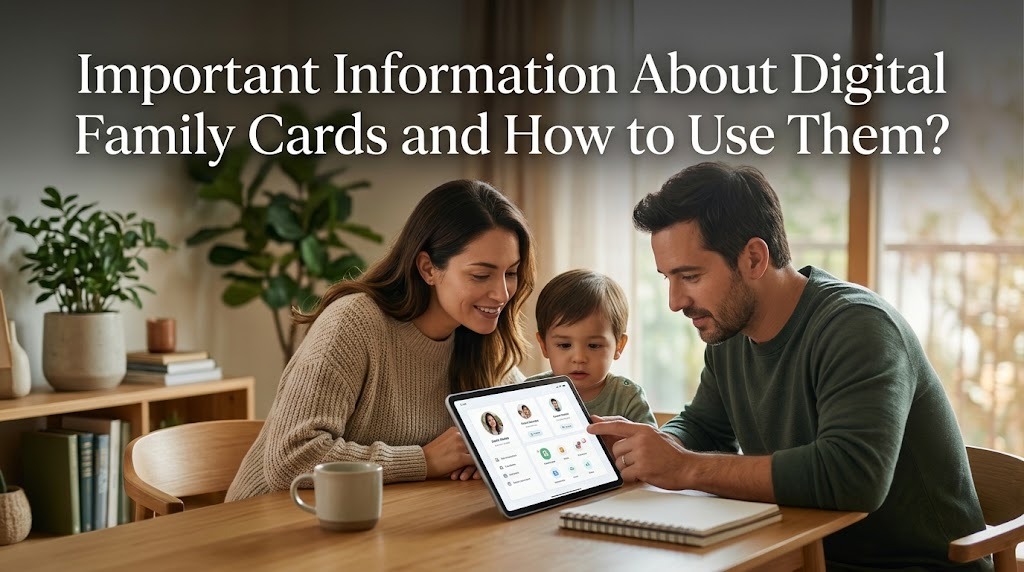
A Digital Family Card is an electronic form of population documentation that makes it easier for residents to access and manage their administrative records. In Indonesia, population administration has increasingly adopted digital systems to improve service efficiency. The digital format can be useful when residents need population documents for legitimate administrative purposes.
Although digital documents are practical, users still need to understand how to access, verify, store, and share them safely. A digital Family Card should not simply be sent to anyone who requests it. Personal data protection is an important part of using digital population documents responsibly.
UNDERSTAND DIGITAL FAMILY CARDS
A digital Family Card contains population information similar to the information recorded in the Family Card document. It can include details about family members, NIK, family relationships, marital status, and address. The document is part of the broader digitalization of population administration services.
Residents should understand that digital population documents are intended to support official administrative needs. Their use should follow the instructions provided by the relevant government service. If there is uncertainty about the validity or use of a digital document, contact the official Dukcapil service for clarification.
ACCESS THE OFFICIAL DOCUMENT
Digital population documents should be obtained through an official Dukcapil service or government-supported system. The available method can differ between regions because local population administration services may use different digital platforms. Residents should therefore follow the instructions provided by their local government.
Avoid downloading or requesting Family Card files from unofficial websites or unknown individuals. Fraudulent websites may attempt to collect NIK, Family Card numbers, or other personal information. Using an official service channel provides a safer way to access population documents.
CHECK THE FAMILY CARD INFORMATION
After obtaining a digital Family Card, carefully review all information displayed in the document. Check the names, NIK, dates of birth, family relationships, marital status, and address. These details should correspond with the family's official population records.
If an error is discovered, do not edit the document yourself. Digital population documents should remain in their official form. Instead, contact the relevant Dukcapil service and ask about the appropriate procedure for correcting the information.
USE DIGITAL DOCUMENTS RESPONSIBLY
A digital Family Card can be useful when an institution requires population information for a legitimate administrative purpose. Before sending a copy, make sure the recipient is a trusted institution or authorized service. Only provide the information that is genuinely required for the stated purpose.
Do not upload the Family Card to public websites, social media, or open online groups. Avoid sending it to unknown people through messaging applications. Responsible use helps reduce the possibility of personal data being copied or misused.
PROTECT DIGITAL FAMILY DATA
Digital Family Card files should be stored securely on a trusted device or storage system. If the document is kept on a personal device, use appropriate password and device security. Avoid leaving important population documents in publicly accessible folders or unsecured accounts.
Be careful when opening links or messages claiming to provide digital Family Card services. Official-looking messages can sometimes be misleading. Never provide verification codes, passwords, or unnecessary personal information to unknown parties.
KNOW WHEN TO CONTACT DUKCAPIL
Not every problem with a digital Family Card can be solved independently. If the document cannot be accessed, information appears incorrect, or the online service does not recognize your record, contact the relevant official Dukcapil service. The appropriate solution depends on the type of problem and the local service system.
Keep supporting information available if the officer asks for verification. However, only submit personal documents through a verified government channel. Getting assistance directly from the responsible population administration service is safer than relying on unofficial intermediaries.
CONCLUSION
A Digital Family Card provides a practical way to manage population documentation in an increasingly digital administration system. Residents should obtain it through official channels, check the information carefully, and use the document only for legitimate administrative purposes.
Protecting digital population information is equally important. Avoid sharing Family Card files carelessly, keep digital documents secure, and contact the official Dukcapil service whenever there is an issue with access, accuracy, or document validity.
Tentang Penulis
Gusti Ayu Tita P
Penulis — Universitas STEKOM
Penulis aktif yang berfokus pada isu-isu akademik, teknologi pendidikan, dan pengembangan sumber daya manusia di lingkungan kampus.