
Information About Social Assistance Requirements And Application Processes You Should Understand
Gusti Ayu Tita P
1 September 2026
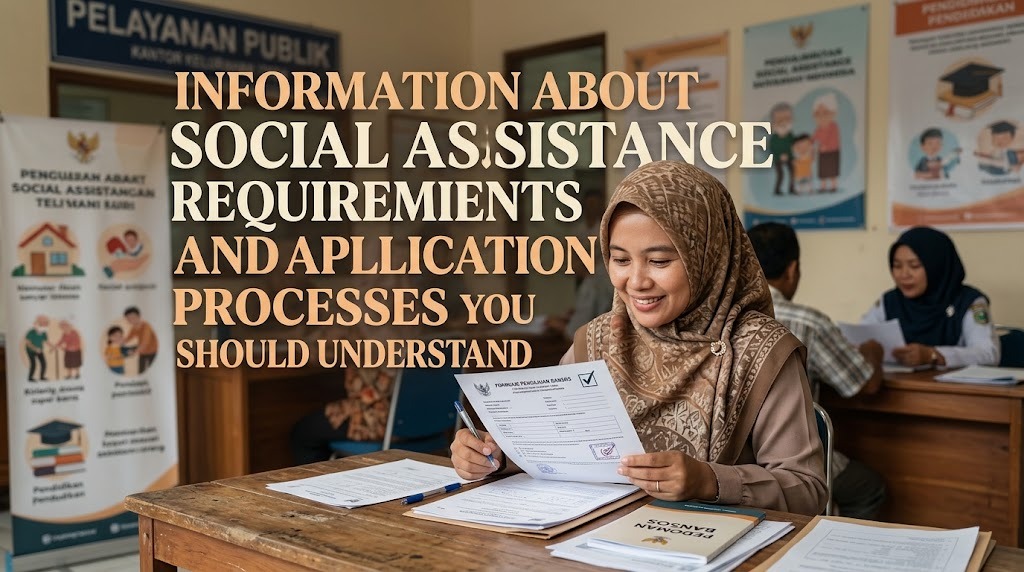
Before submitting a Social Assistance application, applicants should understand the requirements of the specific program. Each program may have different eligibility criteria, target groups, and administrative procedures. Requirements can also change according to government policies and program updates. Therefore, applicants should use current information from official sources. Understanding the requirements can prevent unnecessary mistakes during registration.
Applicants should honestly assess whether their circumstances may meet the stated conditions. Eligibility Criteria can involve household circumstances, population information, income conditions, or other factors depending on the program. Meeting one requirement does not necessarily guarantee approval. Authorities may still need to verify the information provided. Applicants should therefore avoid assuming that registration automatically means receiving assistance.
PREPARE THE REQUIRED DOCUMENTS
Preparing Required Documents before applying can make the process more organized. The documents requested may vary depending on the type of assistance and the responsible institution. Applicants should check the current document list before beginning the registration process. Make sure every document is valid, readable, and consistent with the information in the application. Missing documents can result in additional requests or delays.
Important details should be checked carefully before submission. Document Accuracy is essential because officials may compare submitted documents with existing administrative records. Never modify or falsify documents to meet eligibility requirements. If a document is missing or contains an error, ask the appropriate authority about the correct procedure. Proper documentation supports a more reliable verification process.
FOLLOW THE APPLICATION PROCESS
The Application Process can differ between assistance programs. Some programs may provide online registration, while others may use local government administrative services or other official procedures. Applicants should follow the instructions provided by the institution responsible for the program. Complete every required field carefully and review the information before submitting it. Do not use unofficial intermediaries who promise guaranteed approval.
After submission, applicants may need to wait for Application Verification. The verification process may involve comparing personal information with government records or assessing eligibility according to program rules. Submission alone does not necessarily mean that assistance has been approved. Applicants should keep any legitimate registration reference or confirmation. This information may be useful if they need to check the application later.
CHECK AND UPDATE PERSONAL DATA
Accurate Personal Data is important for government assistance administration. Applicants should check names, identification numbers, addresses, and household information before submitting an application. If the information is outdated, follow the appropriate procedure to update the relevant population records. Inconsistent information can make the verification process more difficult. Keeping administrative records current can support smoother processing.
Applicants should report genuine changes rather than modifying information to increase eligibility. Data Updates should be completed through authorized government services. Depending on the type of change, supporting documents may be required. Keep original documents safely and provide copies only through trusted channels. Accurate information benefits both applicants and the overall distribution process.
UNDERSTAND THE VERIFICATION STAGE
The Verification Process is an important part of determining whether information and eligibility meet the requirements of a specific assistance program. Authorities may review administrative records and other relevant information. Additional clarification or documents may sometimes be requested. Applicants should respond honestly and follow the instructions provided by the responsible institution. Verification helps reduce errors and supports more accurate assistance distribution.
Applicants should be patient while verification is taking place. Eligibility Verification does not always happen immediately after registration. Processing times can vary depending on the program, administrative procedures, and volume of applications. Avoid paying anyone who claims they can guarantee faster approval. Official verification should follow established procedures.
AVOID FRAUD AND UNOFFICIAL INFORMATION
Applicants should be careful with people offering assistance application services outside official channels. Some scammers may claim they can guarantee registration or approval in exchange for money. Others may ask for sensitive information through suspicious websites or messages. Fraud Prevention should be a priority from the beginning of the application process. Always verify information independently through an authorized government source.
Protecting Personal Security is also important when applying online. Do not share passwords, verification codes, or unnecessary financial information with unknown individuals. Be cautious of links that request personal details without clear official identification. If you receive suspicious information, confirm it through a trusted government service. Careful information handling can help prevent identity misuse and financial fraud.
CONCLUSION
Understanding social assistance requirements and application procedures can help applicants prepare more effectively. Start by checking the Eligibility Criteria, preparing required documents, and following the official application process. Accurate personal information and complete documentation can make the verification process more organized.
Applicants should remember that registration does not automatically guarantee assistance. Application Verification and eligibility assessment still need to follow the rules of the relevant program. By using official information, protecting personal data, and avoiding unofficial intermediaries, applicants can complete the process more safely and responsibly.
Tentang Penulis
Gusti Ayu Tita P
Penulis — Universitas STEKOM
Penulis aktif yang berfokus pada isu-isu akademik, teknologi pendidikan, dan pengembangan sumber daya manusia di lingkungan kampus.