
JOMO Helps You Enjoy Solitude Without Feeling Lonely
Gusti Ayu Tita P
7 September 2026
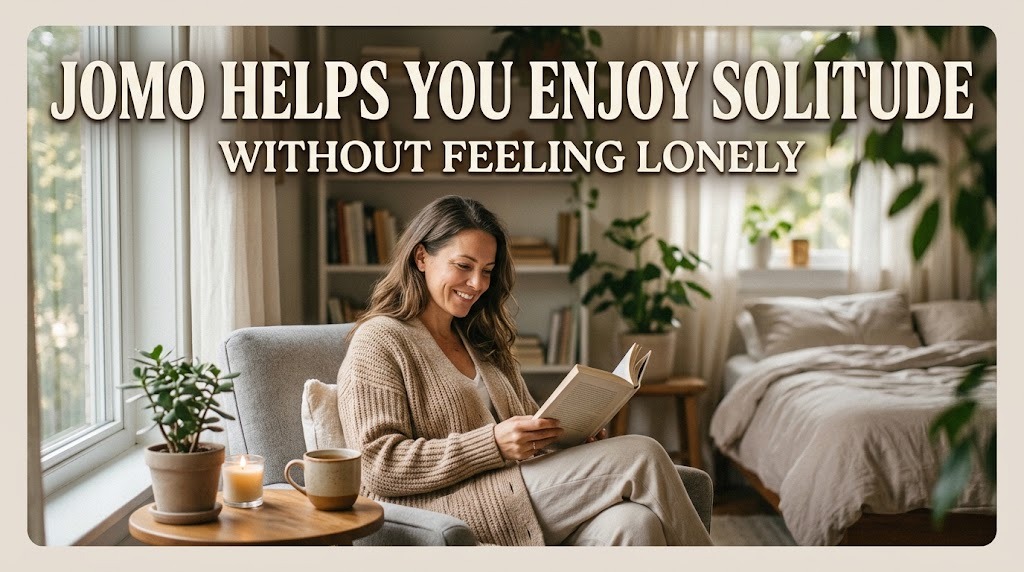
Modern life often makes people believe that being constantly surrounded by others is necessary for happiness. Social media can strengthen this idea by showing parties, gatherings, trips, and daily activities shared by other people. As a result, spending time alone may sometimes be seen as boring or lonely. JOMO or Joy of Missing Out offers a different perspective by helping people enjoy solitude without feeling disconnected from life. It teaches that being alone can be a positive choice when it provides time to rest, reflect, and enjoy personal interests.
UNDERSTANDING JOMO AND SOLITUDE
JOMO stands for Joy of Missing Out and describes the positive feeling of choosing not to participate in everything. When applied to solitude, JOMO allows people to enjoy their own company without worrying about what others are doing. Choosing to spend time alone can be an intentional decision rather than a sign of loneliness. A person may stay home, read a book, listen to music, or simply enjoy a quiet environment. These moments can provide valuable personal space.
Solitude and loneliness are not the same experience. Solitude can be chosen and enjoyed, while loneliness often involves an unwanted feeling of disconnection. Being alone can be healthy when it gives someone comfort, freedom, and time for personal reflection. People can also enjoy solitude while maintaining strong relationships with family and friends. JOMO helps create a balance between social connection and personal space.
WHY PEOPLE SOMETIMES FEAR BEING ALONE
Some people associate being alone with being unwanted or disconnected. Social expectations can create the idea that a busy social life is proof of happiness. This belief can make people feel uncomfortable when they have no plans with others. They may immediately turn to their phones or social media to avoid quiet moments. Over time, this can make solitude feel unfamiliar.
Social media can make this pressure stronger. Seeing other people spending time together may create the impression that everyone else is constantly having fun. Online content often shows selected moments rather than the complete reality of someone's life. Understanding this can reduce the pressure to maintain the same lifestyle. JOMO encourages people to enjoy their own rhythm instead of comparing it with others.
SOLITUDE CAN SUPPORT PERSONAL WELL BEING
Spending time alone can provide an opportunity to rest from social demands. People may need quiet periods after a busy day filled with work, study, communication, or responsibilities. Personal space can help reduce external distractions and create time for recovery. This does not mean avoiding relationships. Instead, it provides a healthy pause between social activities.
Solitude can also make it easier to recognize personal needs. Without constant input from other people, individuals can think about what they enjoy and what makes them uncomfortable. Greater self-awareness can help people make more intentional decisions. This can improve the way they manage time and relationships. As a result, solitude can become a useful part of a balanced lifestyle.
LEARNING TO ENJOY YOUR OWN COMPANY
Enjoying solitude often begins with simple activities. Reading, drawing, cooking, gardening, walking, listening to music, or watching a favorite movie can make alone time enjoyable. The activity does not need to be impressive to have value. What matters is that it provides comfort or genuine enjoyment. These small experiences can make being alone feel natural.
People can also practice spending short periods without digital distractions. Putting the phone away while drinking coffee or taking a walk can create a stronger connection with the present moment. Being comfortable without constant digital stimulation can make solitude more rewarding. Over time, quiet moments may become something to appreciate rather than avoid. This is one of the practical benefits of JOMO.
REDUCING DEPENDENCE ON SOCIAL MEDIA
Social media can create the impression that people must always be connected. Constantly checking updates may become a habit whenever there is a quiet moment. Reducing unnecessary social media use can help people become more comfortable with their own company. A short break can create time for offline activities and personal reflection. The goal is not to abandon social media completely.
Turning off unnecessary notifications can also help protect personal time. Notifications can interrupt reading, resting, eating, or enjoying a hobby. Fewer digital interruptions make it easier to stay present during moments of solitude. People can choose when to check their devices rather than responding automatically. This can create a healthier relationship with technology.
STOPPING THE FEAR OF MISSING OUT
Fear of missing out can make people feel that they should always have plans. They may accept invitations even when they are tired because they do not want to miss an experience. JOMO changes the meaning of missing out by showing that staying home can also be a valuable choice. Time spent alone can provide opportunities for rest and personal activities. Missing one event does not mean missing a meaningful life.
People can ask themselves whether an activity genuinely interests them before accepting an invitation. If the answer is no, staying home may be the better option. Choosing based on personal needs can reduce social pressure. This makes it easier to protect energy and maintain balance. Solitude then becomes a conscious choice rather than something forced by circumstances.
BUILDING A HEALTHY BALANCE BETWEEN SOLITUDE AND SOCIAL LIFE
Enjoying solitude does not mean avoiding relationships. Humans still need meaningful social connections and supportive relationships. A healthy lifestyle includes both quality social interaction and personal time. The right balance depends on individual personality, responsibilities, and circumstances. Some people may need more alone time than others.
Social relationships can also become stronger when personal boundaries are respected. Taking time alone can help people return to social situations with more energy and patience. Personal space can support healthier relationships rather than weaken them. The key is communicating clearly when alone time is needed. This allows others to understand that solitude is about self-care, not rejection.
USING SOLITUDE FOR PERSONAL REFLECTION
Quiet time can provide an opportunity to reflect on goals and priorities. Without constant conversations or digital updates, people may find it easier to think clearly. Solitude can create mental space for understanding personal values and future plans. This can be useful when making important decisions. Reflection can also help people recognize which activities deserve more or less attention.
Journaling is one simple way to use solitude for reflection. Writing down thoughts, plans, or daily experiences can help organize ideas. Reflection becomes more useful when it leads to greater self-awareness rather than excessive overthinking. People can use quiet moments to understand themselves without judging every thought. This can make solitude feel purposeful and positive.
ENJOYING QUIET MOMENTS WITHOUT GUILT
Some people feel guilty when they spend time doing nothing. They may believe that every moment should be productive or socially active. JOMO challenges this idea by recognizing that rest and quiet time have their own value. Sitting quietly, taking a slow walk, or enjoying a hobby can be worthwhile even without a specific achievement. Personal time does not always need a measurable result.
Allowing yourself to rest can also prevent an overloaded routine. Constant activity can leave little space for recovery. A peaceful moment can help restore energy before returning to daily responsibilities. This makes rest a useful part of maintaining balance. Enjoying solitude without guilt can therefore support a healthier lifestyle.
CREATING A COMFORTABLE SOLO ROUTINE
A solo routine can make personal time easier to enjoy. People can choose activities they genuinely like and create regular periods for them. A simple routine can turn solitude into an expected and enjoyable part of the day. It might include reading before bed, walking in the morning, or having a quiet meal without a phone. These habits do not need to be complicated.
The routine should remain flexible and realistic. Some days may require more social interaction, while other days may provide more opportunities for solitude. JOMO is about making conscious choices rather than following strict rules. Listening to personal needs can help determine when to connect and when to step back. This flexibility makes solitude easier to maintain in everyday life.
CONCLUSION
JOMO helps people understand that solitude does not have to mean loneliness. By reducing social media pressure, enjoying personal hobbies, creating quiet routines, and accepting the value of alone time, people can develop a healthier relationship with solitude. JOMO does not encourage isolation or the rejection of meaningful relationships. Instead, it helps people choose when they need social connection and when they need personal space. Ultimately, being comfortable alone can create greater self-awareness, inner peace, and appreciation for everyday life.
Tentang Penulis
Gusti Ayu Tita P
Penulis — Universitas STEKOM
Penulis aktif yang berfokus pada isu-isu akademik, teknologi pendidikan, dan pengembangan sumber daya manusia di lingkungan kampus.