Leadership Strategies For Managing Structural Positions Professionally
Gusti Ayu Tita P
12 Agustus 2026
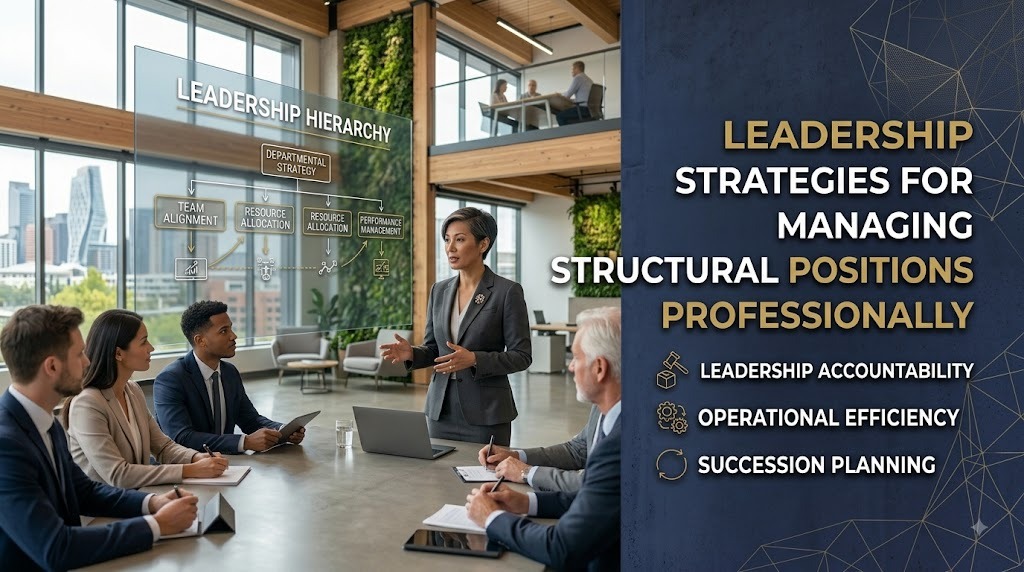
Leadership plays an important role in managing structural positions and ensuring that organizational responsibilities are carried out effectively. People who hold structural positions are expected to lead teams, coordinate activities, make decisions, and manage organizational resources. Professional leadership requires more than formal authority because leaders must also demonstrate competence, integrity, communication skills, and accountability. When these qualities are applied consistently, structural positions can contribute significantly to organizational performance.
Modern organizations face continuous changes in technology, employee expectations, regulations, and service demands. Leaders therefore need strategies that help them manage responsibilities while remaining flexible and professional. A strong leadership approach can improve teamwork, reduce workplace problems, and support the achievement of organizational goals. For this reason, understanding effective leadership strategies is essential for anyone responsible for managing structural positions.
UNDERSTANDING PROFESSIONAL STRUCTURAL LEADERSHIP
Professional structural leadership refers to the ability to use organizational authority responsibly while guiding employees toward shared objectives. A structural leader needs to understand the duties, limits, and expectations associated with the position. Authority should be used to support organizational goals rather than personal interests. Professional leadership combines managerial competence with ethical behavior and responsible decision making.
A leader must also understand the organization before making major decisions. This includes understanding its objectives, work processes, employees, resources, and challenges. Leaders who understand the organizational context can make more realistic plans and provide better guidance. Clear leadership helps employees understand their roles and creates direction and consistency in daily operations.
SETTING CLEAR GOALS AND PRIORITIES
One of the most important leadership strategies is establishing clear goals. Employees need to know what the organization wants to achieve and how their individual responsibilities contribute to those objectives. Leaders should communicate priorities in a simple and measurable way. Clear goals help employees focus their efforts and reduce confusion about which tasks should receive attention first.
Priorities may need to change when organizational conditions change. A professional leader should regularly review objectives and adjust plans when necessary. However, changes should be explained clearly so employees understand the reasons behind new priorities. This approach supports flexibility while maintaining organizational direction.
DELEGATING RESPONSIBILITIES EFFECTIVELY
Delegation is an important skill for structural leaders because managers cannot perform every task themselves. Effective delegation means assigning responsibilities according to employee skills, experience, workload, and organizational needs. Leaders should provide sufficient authority and resources for employees to complete their assigned tasks. Effective delegation can improve productivity while giving employees opportunities to develop their abilities.
Delegation does not mean that leaders completely stop monitoring the work. Managers should establish expectations, provide guidance, and review progress at appropriate stages. If problems occur, leaders should provide support rather than immediately taking over the task. This balance between trust and accountability can strengthen employee confidence and team performance.
MANAGING CONFLICT PROFESSIONALLY
Conflict is a natural possibility in organizations because employees may have different opinions, priorities, or working styles. Structural leaders should address conflicts before they negatively affect teamwork and productivity. The first step is understanding the underlying causes rather than immediately blaming one party. Fair conflict management requires active listening, objectivity, and respect for all parties.
Leaders should focus on solutions that are consistent with organizational rules and reasonable for the situation. Personal preferences should not determine how workplace conflicts are handled. When necessary, formal procedures should be followed to ensure fairness and accountability. Professional conflict management can turn disagreements into opportunities for better communication and organizational learning.
PROMOTING INTEGRITY AND ETHICAL LEADERSHIP
Integrity is essential for anyone holding a position of authority. Leaders must use organizational resources and decision making powers responsibly. They should avoid conflicts of interest, favoritism, discrimination, and misuse of authority. Ethical leadership creates trust and establishes a positive example for employees.
Leaders should also demonstrate consistency between their words and actions. Employees are more likely to respect organizational rules when managers follow the same standards they expect from others. If mistakes occur, responsible leaders should acknowledge them and take corrective action. Strong integrity supports credibility, fairness, and long term organizational trust.
MANAGING CHANGE AND DIGITAL TRANSFORMATION
Organizations need to adapt to technological developments, changing regulations, and new stakeholder expectations. Structural leaders have an important role in guiding employees through these changes. They should explain the purpose of new systems and provide sufficient training and support. Change management can help reduce resistance and maintain productivity during organizational transitions.
Digital tools can improve communication, data management, monitoring, and service delivery. However, leaders should not introduce technology simply because it is popular or new. They need to consider organizational needs, employee capabilities, cost, security, and expected benefits. Professional leaders combine digital awareness with responsible management to ensure that technology supports organizational objectives.
STRENGTHENING ACCOUNTABILITY AND PERFORMANCE
Accountability ensures that employees and managers are responsible for their duties and results. Leaders should establish clear performance expectations and monitor progress using appropriate indicators. Performance evaluation should focus on both results and professional behavior. Clear accountability helps organizations identify achievements and areas that need improvement.
Performance discussions should be constructive rather than purely punitive. Leaders can use evaluation results to provide feedback, improve processes, and identify development needs. Good performance should also be recognized through appropriate organizational mechanisms. This approach creates a culture of responsibility, improvement, and professional performance.
MANAGING RESOURCES RESPONSIBLY
Structural leaders are responsible for ensuring that organizational resources are used according to established priorities. Resources may include employees, budgets, equipment, facilities, time, information, and technology. Poor resource management can create unnecessary costs and reduce organizational effectiveness. Responsible resource management helps organizations achieve better results with available resources.
Leaders should regularly review whether resources are being used efficiently. Human resources deserve particular attention because employee capabilities have a direct influence on organizational outcomes. Tasks should be distributed fairly and according to competence and workload. Effective resource management supports efficiency, productivity, and organizational sustainability.
LEADING BY EXAMPLE
Employees often observe how leaders behave before deciding how seriously to follow organizational standards. A leader who demonstrates punctuality, discipline, honesty, and respect can influence workplace culture positively. Leading by example means showing through actions the standards expected from employees. This approach can be more effective than simply giving instructions.
Leaders should also remain open to criticism and feedback. Being willing to acknowledge mistakes demonstrates maturity and responsibility. Employees may become more comfortable communicating problems when they know their leader responds professionally. A strong example from leadership can build trust, respect, and a healthier organizational culture.
CONCLUSION
Leadership strategies for managing structural positions professionally involve more than directing employees or making organizational decisions. Professional leaders need to establish clear goals, delegate responsibilities, communicate effectively, manage conflict, develop employees, and use resources responsibly. They must also maintain integrity, accountability, adaptability, and ethical standards while performing their duties.
Successful structural leadership requires continuous learning and evaluation. Leaders should understand that organizational conditions can change and that management strategies may need to be adjusted accordingly. By combining strong managerial skills with ethical and people focused leadership, structural positions can contribute to better performance and sustainable organizational development.
Tentang Penulis
Gusti Ayu Tita P
Penulis — Universitas STEKOM
Penulis aktif yang berfokus pada isu-isu akademik, teknologi pendidikan, dan pengembangan sumber daya manusia di lingkungan kampus.