Learning To Be Yourself Without Getting Trapped In People Pleasing
Gusti Ayu Tita P
7 September 2026
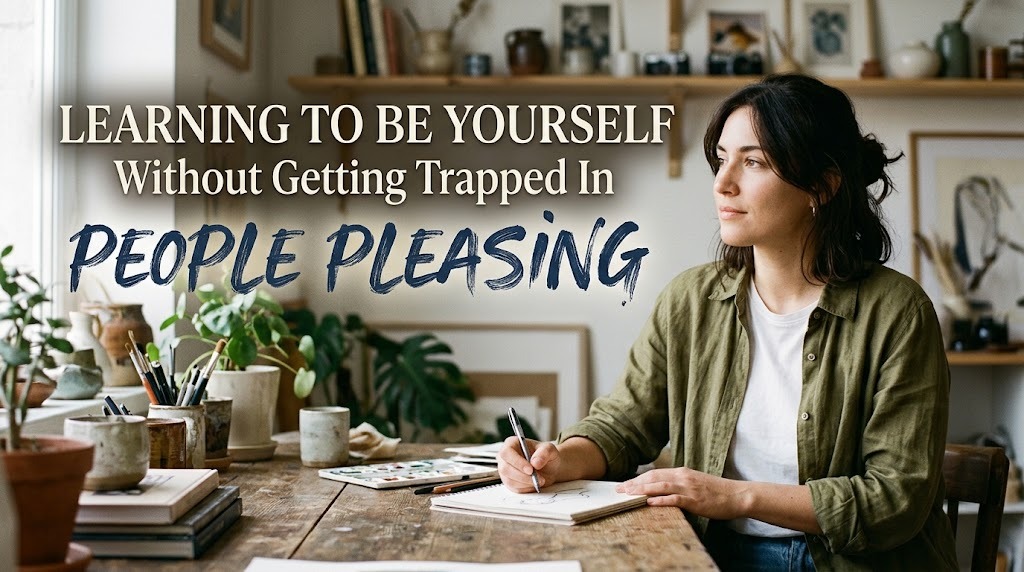
Learning to be yourself can be difficult when you are used to putting other people's needs before your own. People pleasing often makes someone change their behavior, opinions, or choices to gain approval and avoid disappointing others. Although caring about people is a positive quality, constantly seeking approval can make you lose touch with your own identity. Over time, you may become unsure about what you actually want or believe. Learning to be yourself means developing the confidence to respect your own needs while still treating others with kindness.
WHAT DOES PEOPLE PLEASING MEAN?
People pleasing is a pattern of behavior in which someone frequently prioritizes other people's expectations over their own needs and preferences. A people pleaser may agree to requests even when they are tired, uncomfortable, or already have other responsibilities. They may also avoid expressing different opinions because they are afraid of rejection or conflict. People pleasing is not a formal diagnosis, but it can become an unhealthy pattern when it regularly affects wellbeing and relationships. Being helpful is not automatically people pleasing because healthy kindness still allows you to maintain personal boundaries.
WHY CAN PEOPLE PLEASING MAKE YOU LOSE YOURSELF?
People pleasing can gradually make your identity feel less clear. When you repeatedly change yourself to satisfy others, you may spend less time thinking about your own values, interests, feelings, and goals. You might choose what others prefer even when it is different from what you genuinely want. This can create a habit of looking outside yourself for guidance and approval. Eventually, the question "What do I want?" may become harder to answer.
RECOGNIZE WHEN YOU ARE HIDING YOUR TRUE SELF
The first step toward being yourself is recognizing situations where you regularly hide your real thoughts or feelings. You may notice that you agree with people even when you have a different opinion. You might also change your personality depending on who you are with because you want everyone to like you. Another sign is feeling uncomfortable when expressing your preferences because you are worried about being judged. Recognizing these patterns can help you understand where people pleasing is affecting your identity.
UNDERSTAND YOUR OWN VALUES AND PRIORITIES
Your values are the principles that help guide your decisions and define what matters to you. Take time to think about the qualities, goals, relationships, and activities that are genuinely important in your life. Ask yourself what you would choose if you were not worried about other people's opinions. You do not need to have all the answers immediately because self understanding develops gradually. Knowing your priorities can make it easier to make decisions that reflect who you really are.
STOP SEEKING CONSTANT APPROVAL
Approval from other people can feel comforting, but it should not become the main source of your confidence. Different people will naturally have different opinions about your choices, personality, and lifestyle. Trying to satisfy everyone is impossible and can leave you feeling exhausted. Instead, learn to ask whether a decision is right for you rather than whether everyone will approve of it. Your self worth does not have to depend on constant validation from other people.
LEARN TO EXPRESS YOUR REAL OPINIONS
Expressing your opinion does not mean forcing everyone to agree with you. You can communicate your thoughts honestly while still listening respectfully to different perspectives. Start with simple situations where you feel relatively comfortable sharing what you think. If someone disagrees, remember that disagreement does not automatically mean rejection. Being authentic means allowing your real thoughts to be heard without disrespecting other people's opinions.
PRACTICE SAYING NO
Learning to say no is an important part of escaping people pleasing. You do not have to accept every request simply because someone asks for your help. Before agreeing, consider whether you have enough time, energy, and willingness to take on the responsibility. A simple and polite refusal can be enough without providing a long explanation. Saying no protects your boundaries and gives you space to prioritize what genuinely matters to you.
SET HEALTHY PERSONAL BOUNDARIES
Personal boundaries help you communicate what you are comfortable with and what you are not willing to accept. They can apply to your time, energy, privacy, communication, responsibilities, and personal space. Setting boundaries may feel uncomfortable at first if you are accustomed to always saying yes. However, discomfort does not mean that your boundary is wrong. Healthy boundaries allow relationships to become more balanced because both people can understand and respect each other's limits.
ACCEPT THAT NOT EVERYONE WILL LIKE YOU
One of the hardest lessons for a people pleaser is accepting that universal approval is impossible. Even if you are kind, respectful, and helpful, some people may still disagree with you or dislike certain choices you make. This does not automatically mean that you have done something wrong. You can accept reasonable criticism without changing your entire personality to gain acceptance. Being yourself requires accepting that you cannot control everyone's opinion of you.
BUILD CONFIDENCE THROUGH SMALL DECISIONS
You do not need to completely change your behavior overnight. Start by making small decisions based on your own preferences, such as choosing an activity you enjoy or expressing your honest opinion. Each successful experience can show you that making your own choices does not automatically lead to rejection. Over time, these small actions can strengthen self confidence and independence. Progress is more sustainable when you focus on consistent changes rather than demanding perfection from yourself.
KEEP KINDNESS WITHOUT SACRIFICING YOURSELF
Being yourself does not mean becoming selfish or ignoring other people's feelings. You can remain caring, supportive, and considerate while also protecting your own wellbeing. The important difference is that your kindness should come from genuine willingness rather than fear, guilt, or a need for approval. Healthy relationships allow both people to give and receive support. You can care about others without making their happiness your personal responsibility.
DEAL WITH GUILT WHEN CHOOSING YOURSELF
Feeling guilty can happen when you begin changing long-standing people pleasing habits. You may feel uncomfortable after saying no or prioritizing your own needs because the behavior is unfamiliar. However, feeling guilty does not always mean that you have done something wrong. Give yourself time to adjust and remind yourself why the boundary or decision was necessary. With practice, the uncomfortable feeling can become easier to manage.
BUILD RELATIONSHIPS THAT ACCEPT THE REAL YOU
Healthy relationships should give you room to express your personality, opinions, and needs. If you constantly feel that you must change yourself to keep someone satisfied, it may be useful to reconsider whether the relationship has enough mutual respect. Good relationships allow people to have differences without demanding constant agreement. Authenticity becomes easier when you spend time with people who respect your boundaries and individuality. Building these relationships can create a safer environment for personal growth.
WHEN SHOULD YOU SEEK PROFESSIONAL SUPPORT?
Sometimes people pleasing can be deeply rooted in long-standing experiences, fear of rejection, low self confidence, or difficulties with boundaries. If these patterns cause significant distress or interfere with your daily life and relationships, talking with a qualified mental health professional may be helpful. A psychologist or other appropriate professional can help you understand the factors behind the behavior and develop healthier ways to communicate and manage emotions. Seeking support does not mean that you are weak or incapable of changing. It can be a useful step toward developing a healthier relationship with yourself and others.
CONCLUSION
Learning to be yourself is a gradual process, especially when people pleasing has become a familiar habit. You can begin by understanding your values, recognizing approval seeking, expressing your opinions, saying no, and establishing healthy boundaries. Remember that being yourself does not mean ignoring other people, but it does mean giving your own needs and identity the respect they deserve. You are allowed to have different opinions, make personal choices, and protect your time and energy. By practicing self respect and authenticity, you can build a life and relationships that feel more genuine and balanced.
Tentang Penulis
Gusti Ayu Tita P
Penulis — Universitas STEKOM
Penulis aktif yang berfokus pada isu-isu akademik, teknologi pendidikan, dan pengembangan sumber daya manusia di lingkungan kampus.