Mistakes To Avoid When Applying For Social Assistance
Gusti Ayu Tita P
1 September 2026
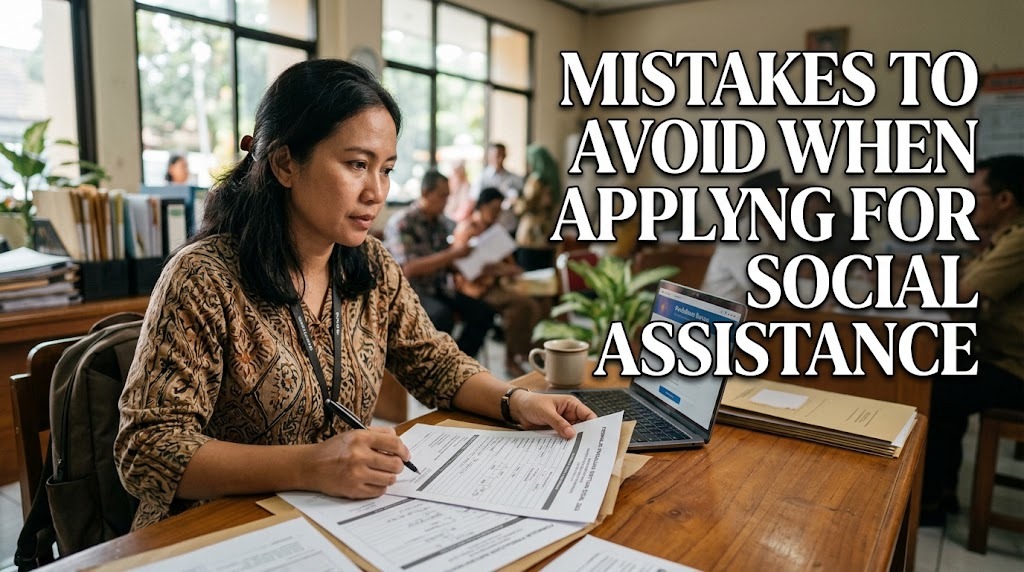
One of the most common mistakes is applying without understanding the Eligibility Requirements of the assistance program. Different programs may have different criteria, target recipients, and administrative procedures. Applicants should read the requirements carefully before submitting any information. Assuming that everyone automatically qualifies can create unrealistic expectations. Understanding the rules helps applicants determine whether their circumstances may meet the stated conditions.
Applicants should also avoid relying entirely on information from friends, social media posts, or unofficial sources. Program Information can change as government policies and administrative procedures are updated. Always check current information through an authorized government source. If a requirement is unclear, ask the relevant service for clarification. This can prevent mistakes caused by outdated or incomplete information.
PROVIDING INCORRECT PERSONAL DATA
Incorrect Personal Data can create problems during the application and verification process. Common errors may include incorrect names, identification numbers, addresses, or household information. Applicants should carefully compare every detail with their official documents before submitting an application. Even a small mistake can make it harder to match an application with existing administrative records. Accuracy should therefore be a priority from the beginning.
Applicants should never intentionally change information to appear eligible. Accurate Information allows authorities to evaluate applications based on actual circumstances. False information may lead to administrative complications or affect the application outcome. If an error is discovered after submission, contact the appropriate service to ask about the correction procedure. Do not create another application with intentionally different information.
SUBMITTING INCOMPLETE DOCUMENTS
Another frequent problem is failing to prepare all Required Documents. An application may require identification documents, household records, or other supporting information depending on the program. Submitting incomplete documents can lead to additional requests or delays in processing. Applicants should create a simple checklist before starting the application. This makes it easier to confirm that nothing important has been overlooked.
Documents should also be readable and consistent with the information entered in the application. Document Verification may involve comparing submitted information with official records. Avoid submitting altered, damaged, or unclear documents unless the responsible institution provides an acceptable alternative. Keep original documents safely in case they are needed later. Good document preparation can make the administrative process more organized.
USING UNOFFICIAL APPLICATION SERVICES
Applicants should be careful when someone offers to handle their application through an unofficial service. Some individuals may claim that they can guarantee approval or speed up registration for a fee. Such promises should be treated cautiously because eligibility generally depends on established requirements and verification. Use Official Channels whenever submitting or checking assistance applications. This reduces the risk of misinformation and unauthorized handling of personal information.
Be especially careful with suspicious websites, messages, or social media accounts. Fraud Prevention starts with verifying whether a service is genuinely connected to the responsible government institution. Never provide passwords, verification codes, or unnecessary financial information to unknown people. If you receive a suspicious offer, independently confirm it through an official channel. Protecting your information is as important as completing the application correctly.
FAILING TO CHECK APPLICATION INFORMATION
Some applicants submit forms immediately without reviewing the information they have entered. This can result in Application Errors that might otherwise have been easy to correct. Before submitting, check names, identification numbers, addresses, family information, and other required fields. Make sure the information matches your official documents. A final review can significantly reduce avoidable mistakes.
After submission, keep any legitimate reference information or confirmation provided by the system. Application Records can be useful if you later need to ask about your application. However, do not assume that a confirmation message means your application has been approved. Further verification may still be required. Understanding the difference between submission and approval can help applicants manage expectations.
FAILING TO UPDATE CHANGED INFORMATION
Outdated Population Data can make the verification process more difficult. Changes in address, household composition, or other administrative circumstances may need to be reported through the appropriate government service. Applicants should check whether their official records still reflect their current situation. If changes are necessary, follow the established procedure before or during the application process. Updated information can help reduce discrepancies between administrative databases.
Applicants should also avoid waiting for a problem to appear before checking their records. Data Updates should be handled through authorized services and supported by appropriate documents when required. Never use false information simply because it appears more likely to qualify for assistance. Honest and current records provide a better foundation for verification. This approach also supports more accurate distribution of government assistance.
CONCLUSION
Avoiding common mistakes can make the social assistance application process more organized and reduce unnecessary difficulties. Applicants should understand the Eligibility Requirements, provide accurate personal information, prepare complete documents, and use official channels. Checking every detail before submission is also an important step.
Applicants should remember that assistance is generally distributed according to applicable rules and verification results. Fraud Prevention and personal data protection should remain priorities throughout the process. By avoiding false information, incomplete documents, unofficial services, and outdated records, applicants can complete their applications more carefully and responsibly.
Tentang Penulis
Gusti Ayu Tita P
Penulis — Universitas STEKOM
Penulis aktif yang berfokus pada isu-isu akademik, teknologi pendidikan, dan pengembangan sumber daya manusia di lingkungan kampus.