Modern Technology Transforming the Passenger Experience at Train Stations
Gusti Ayu Tita P
10 Agustus 2026
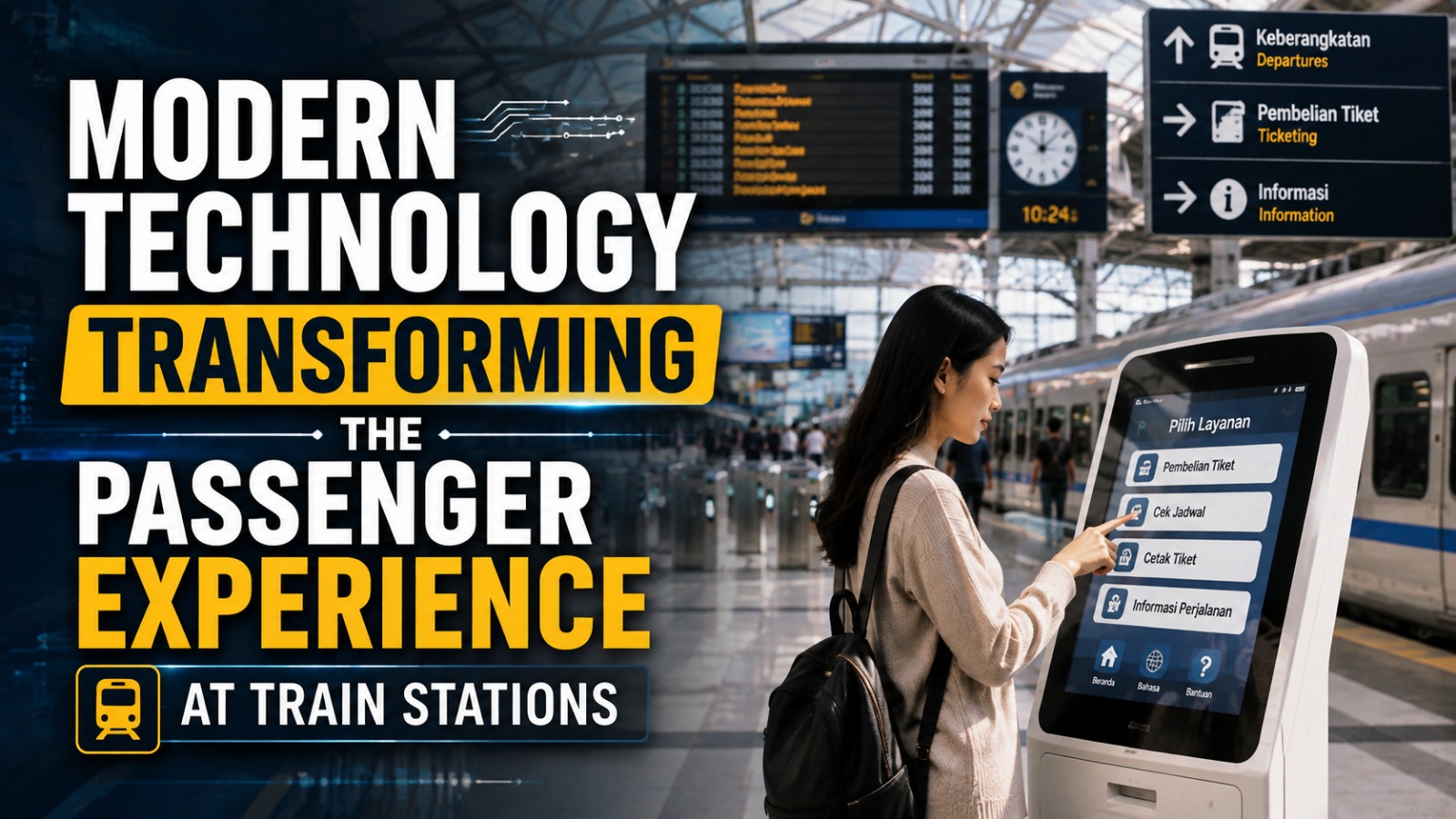
Technology has changed many aspects of modern transportation, including the way passengers use train stations. Traditional processes that once required long queues and manual assistance are increasingly being replaced by digital and automated services. These innovations can make travel faster, easier, and more convenient for passengers. Technology also helps railway operators manage stations and respond to changing passenger needs. As digital systems continue to develop, the passenger experience at train stations is expected to become increasingly connected and efficient.
DIGITAL TICKETING AND CASHLESS PAYMENTS
One of the most noticeable technological changes at train stations is the development of digital ticketing. Passengers can purchase tickets through websites or mobile applications without having to visit a physical ticket counter. Digital tickets can usually be stored on a smartphone and presented when required. This reduces queues and allows passengers to prepare their journeys before reaching the station. Cashless payment systems can also make transactions faster and more convenient.
Digital ticketing provides additional benefits for railway operators. Electronic records can help operators manage passenger information and monitor ticket sales more efficiently. Passengers can also receive booking confirmations, schedule information, and travel notifications through digital platforms. However, travelers should ensure their mobile devices have sufficient battery power before entering the station. Reliable digital access is therefore an important part of the modern passenger experience.
AUTOMATED TICKET GATES
Automated ticket gates are another technology that has changed the way passengers enter and leave many modern stations. These systems can scan electronic tickets, QR codes, smart cards, or other approved payment methods. Automated gates can process passengers quickly and reduce the need for manual ticket checks. This can be particularly useful during busy commuting periods. Faster passenger processing can help reduce congestion around station entrances.
Automated gates can also improve operational efficiency by providing railway operators with digital records of passenger movements. When integrated with ticketing systems, they can help verify whether passengers have valid access. Stations can also use different gate configurations to manage passenger flows. Despite these benefits, clear instructions and staff assistance should remain available for passengers who experience technical problems. Technology should support passengers rather than make travel more difficult.
REAL TIME TRAIN INFORMATION
Passengers need accurate information to make good travel decisions. Modern stations increasingly use real-time information displays to show train departures, arrivals, platform numbers, delays, and other updates. This information can be displayed on electronic screens throughout the station. Passengers can therefore monitor changes without having to visit an information counter. Real-time updates are especially useful when train schedules change unexpectedly.
Mobile applications can provide similar information before passengers arrive at the station. Travelers may receive notifications about delays, platform changes, or service disruptions. Having access to updated information can reduce uncertainty and help passengers adjust their plans. Real-time communication is therefore an important part of modern railway services. Accurate information can make the overall travel experience more predictable and less stressful.
MOBILE APPLICATIONS FOR PASSENGERS
Mobile applications have become useful tools for people traveling by train. A railway application may allow users to check schedules, purchase tickets, view routes, and receive travel notifications. Some platforms also provide information about station facilities and transportation connections. These features allow passengers to manage many parts of their journey from a smartphone. As a result, travelers can spend less time searching for information at the station.
Mobile applications can also support personalized travel planning. Passengers may save frequently used routes or receive reminders about upcoming journeys. When transportation systems are integrated, applications can potentially show connections between trains, buses, and other services. This can make transfers easier and improve overall mobility. However, passengers should use official applications whenever possible to reduce the risk of inaccurate or fraudulent information.
SMART SECURITY SYSTEMS
Technology is also improving security at modern train stations. Surveillance cameras, access control systems, emergency communication tools, and digital monitoring systems can help station personnel identify potential problems. Advanced systems may assist operators in monitoring crowded areas and responding to unusual situations. Security technology can therefore support both passenger protection and station management.
Technology does not completely replace human security personnel. Staff are still needed to respond to emergencies, assist passengers, and make decisions when unusual situations occur. The best results usually come from combining technology with trained personnel. Passengers should also follow safety instructions and report suspicious situations to authorized staff. Smart security works most effectively when technology and human judgment operate together.
SMART WAYFINDING AND DIGITAL SIGNAGE
Large train stations can be difficult to navigate, particularly for first-time visitors. Digital signage and smart wayfinding systems can help passengers find platforms, exits, ticket gates, restrooms, and other facilities. Clear visual information can reduce confusion and improve passenger movement. Some systems may also provide multilingual information to support travelers from different backgrounds. Better navigation can make large stations more accessible and comfortable.
Future wayfinding systems may provide more personalized directions through mobile devices. Passengers could receive step-by-step guidance based on their destination and current location within the station. This could be especially useful for elderly travelers, tourists, and passengers with limited mobility. However, station layouts and digital information must remain clear and easy to understand. Simple and accessible design is essential for effective wayfinding technology.
TECHNOLOGY FOR PASSENGER COMFORT
Modern technology is not only focused on speed and security but also on passenger comfort. Many stations now provide Wi-Fi, charging stations, digital information screens, automated facilities, and climate-controlled waiting areas. These services can make waiting periods more comfortable and productive. Passengers can use Wi-Fi to communicate, work, study, or access travel information. Charging facilities are particularly useful for travelers who depend heavily on smartphones during their journeys.
Some modern stations also use technology to monitor building conditions. Smart systems can help control lighting, ventilation, temperature, and energy consumption based on usage patterns. This can improve comfort while potentially reducing unnecessary energy use. Technology can therefore support both passenger convenience and operational efficiency. The goal is to create station environments that respond better to passenger needs.
ARTIFICIAL INTELLIGENCE AND SMART STATIONS
Artificial intelligence is becoming increasingly relevant to the development of smart train stations. AI-based systems can analyze passenger flows, identify patterns, and help operators manage crowded areas. Predictive technologies may also support maintenance by identifying potential equipment problems before they become major failures. These applications can improve reliability and help railway operators make better operational decisions.
AI can also contribute to personalized passenger services. Future systems may provide travel recommendations based on schedules, disruptions, and transportation connections. However, the use of AI should be supported by appropriate privacy and security measures. Passenger data must be handled responsibly and according to applicable regulations. Smart technology should improve transportation while maintaining passenger trust.
THE FUTURE OF THE DIGITAL PASSENGER EXPERIENCE
The future passenger experience will likely become more seamless, connected, and automated. Digital tickets, biometric or contactless systems where legally and operationally appropriate, real-time information, smart wayfinding, and integrated transportation platforms may reduce the number of manual processes. Passengers could complete more parts of their journey through connected digital services. This could make transfers faster and reduce unnecessary waiting.
At the same time, railway operators must ensure that technological development does not exclude people who are less comfortable with digital tools. Physical information counters and staff assistance may remain important for many passengers. Inclusive technology should provide digital convenience while maintaining accessible alternatives. The most successful smart stations will combine innovation with human-centered design.
CONCLUSION
Modern technology is transforming train stations by improving ticketing, passenger information, security, navigation, comfort, and transportation management. Digital services can reduce queues and make travel information easier to access, while smart systems can help operators manage stations more efficiently. Artificial intelligence and connected technologies may provide even greater improvements in the future. However, technology should remain accessible, reliable, and respectful of passenger privacy. By combining digital innovation with human support, train stations can provide a safer, smoother, and more convenient passenger experience.
Tentang Penulis
Gusti Ayu Tita P
Penulis — Universitas STEKOM
Penulis aktif yang berfokus pada isu-isu akademik, teknologi pendidikan, dan pengembangan sumber daya manusia di lingkungan kampus.