National Songs as an Effective Medium for Character Education
Gusti Ayu Tita P
6 Agustus 2026
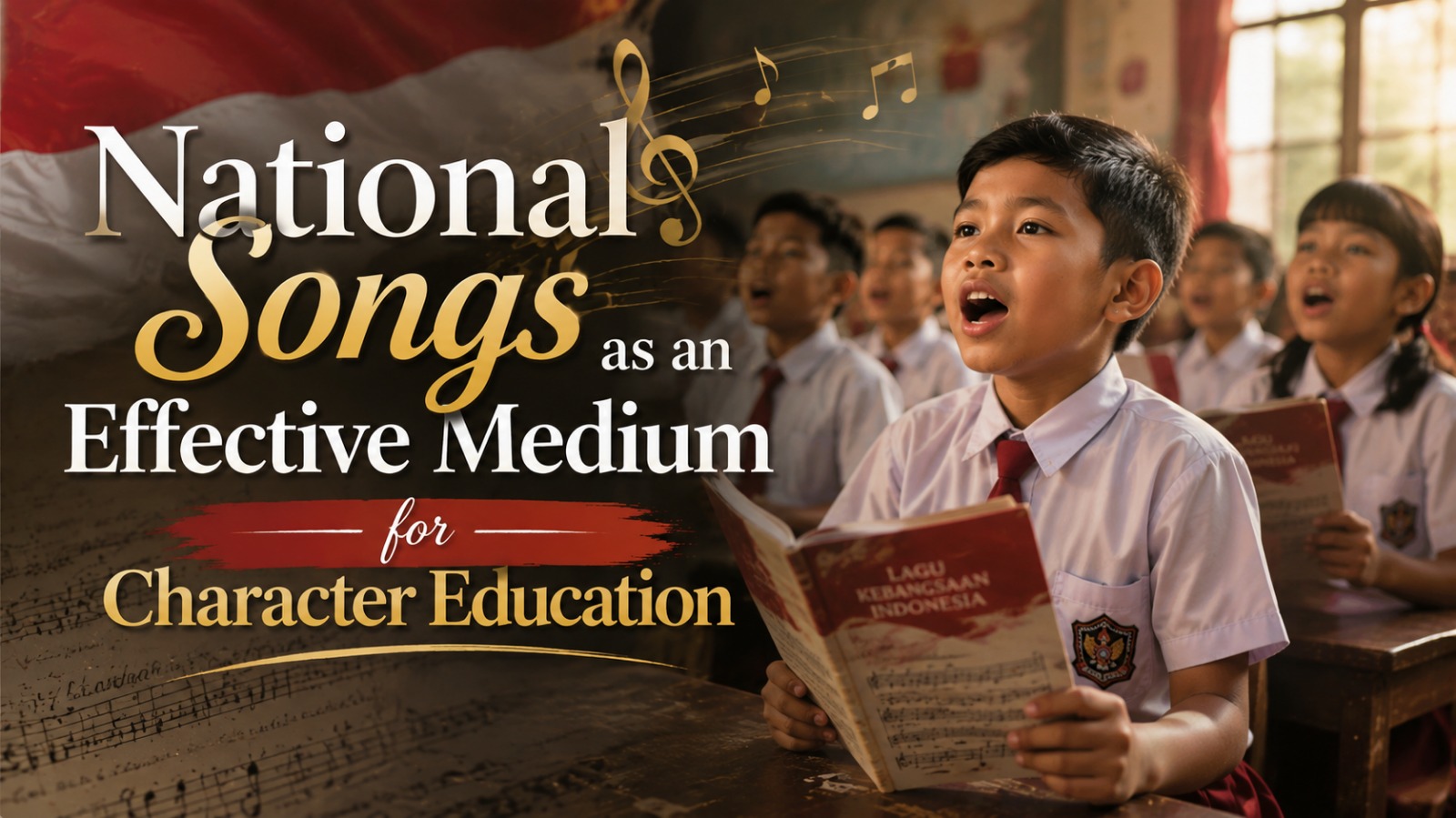
National songs are more than musical compositions performed during official ceremonies. They are meaningful cultural treasures that teach character values, strengthen national identity, and inspire future generations. Through inspiring lyrics and memorable melodies, national songs encourage individuals to develop positive attitudes such as responsibility, discipline, respect, and love for their country.
In today's rapidly changing world, character education has become increasingly important. Schools, families, and communities are looking for effective ways to teach moral values while keeping learning enjoyable and meaningful. National songs offer a unique educational approach because they combine history, culture, music, and ethics into one powerful learning experience.
THE ROLE OF NATIONAL SONGS IN CHARACTER EDUCATION
National songs play an important role in character education because they communicate valuable life lessons through music. Their lyrics often emphasize honesty, courage, perseverance, cooperation, and responsibility. These values help shape positive attitudes that benefit both individuals and society.
Unlike traditional teaching methods that rely heavily on textbooks, music creates emotional connections that make lessons easier to remember. Students are more likely to understand and internalize values when they experience them through meaningful songs. This makes national songs an effective educational medium.
Regular exposure to national songs also encourages students to develop pride in their cultural identity. This emotional connection strengthens their understanding of national values while supporting personal growth.
TEACHING PATRIOTISM THROUGH MUSIC
One of the greatest benefits of national songs is their ability to promote patriotism in a natural and inspiring way. The lyrics often describe the nation's history, heroic sacrifices, and the importance of protecting independence. These messages encourage individuals to appreciate the struggles that shaped their country.
Patriotism taught through music extends beyond expressing love for the nation. It also encourages responsible behavior such as respecting national symbols, obeying laws, caring for the environment, and contributing to society. These actions demonstrate practical expressions of national pride.
Students who understand the meaning behind national songs often develop stronger emotional connections with their country. This awareness motivates them to become active and responsible citizens.
DEVELOPING DISCIPLINE AND RESPONSIBILITY
Learning and performing national songs requires concentration, preparation, and consistency. Students must remember lyrics, maintain proper rhythm, and participate respectfully during ceremonies. These activities naturally build discipline and responsibility.
Performing national songs also teaches respect for formal occasions and shared traditions. Students learn to appreciate the importance of participating sincerely during national events. This respectful attitude often influences other aspects of their academic and personal lives.
Discipline developed through musical activities also supports teamwork, punctuality, and self-confidence. These qualities become valuable life skills that extend far beyond the classroom.
ENCOURAGING UNITY AND SOCIAL VALUES
Many national songs contain strong messages about unity, cooperation, and mutual respect. Indonesia's diversity of cultures, languages, and traditions makes these values especially important. National songs remind citizens that differences should become strengths rather than sources of division.
Singing together creates a shared emotional experience that strengthens social relationships. Students learn the importance of working together while respecting different backgrounds and perspectives. These experiences promote harmony within schools and communities.
National songs also encourage empathy by reminding individuals that every citizen contributes to national progress. This understanding supports stronger social responsibility and community involvement.
PRESERVING HISTORY AND CULTURAL HERITAGE
National songs serve as valuable records of a nation's history and cultural heritage. Many songs were composed during important historical events and reflect the hopes, struggles, and achievements of previous generations. Learning these songs helps students understand the historical foundations of their country.
Teachers can explain the stories behind each song to create deeper educational experiences. Students become more interested in history when it is connected to meaningful music and inspiring narratives. This approach makes learning both enjoyable and memorable.
Preserving national songs also ensures that cultural traditions continue across generations. They remain important symbols of national identity while protecting valuable historical knowledge.
THE ROLE OF SCHOOLS AND FAMILIES
Schools have a major responsibility in introducing national songs as part of character education. Music classes, flag ceremonies, cultural performances, and classroom discussions provide opportunities for students to understand the deeper meaning of these songs. These activities help reinforce important moral values.
Families also play a significant role by encouraging children to sing national songs at home and discussing the values they contain. Parents who explain the historical significance of these songs help strengthen children's appreciation for their country. Cooperation between schools and families creates a stronger educational environment.
Community organizations and cultural institutions can further support these efforts by organizing performances, competitions, and educational programs. These activities help keep national songs relevant and meaningful.
NATIONAL SONGS IN THE DIGITAL ERA
Modern technology offers new opportunities to preserve and promote national songs through digital platforms. Educational videos, music streaming services, interactive learning applications, and online performances make these songs more accessible to younger generations. Technology helps introduce traditional values in ways that match modern learning preferences.
Digital resources also provide historical information about composers, song meanings, and national events connected to the music. This combination of technology and education increases students' interest while preserving cultural heritage. It ensures that national songs remain relevant in an increasingly digital society.
Although learning methods continue to evolve, the values expressed in national songs remain timeless. Their messages continue guiding future generations toward responsible citizenship and strong moral character.
CONCLUSION
National songs are an effective medium for character education because they combine music, history, culture, and moral values into meaningful learning experiences. They help develop patriotism, discipline, responsibility, unity, and respect while preserving national identity and cultural heritage.
By integrating national songs into education at home, in schools, and within communities, future generations can build stronger character while maintaining pride in their nation's history and traditions. These timeless musical works will continue inspiring responsible citizens for years to come.
Tentang Penulis
Gusti Ayu Tita P
Penulis — Universitas STEKOM
Penulis aktif yang berfokus pada isu-isu akademik, teknologi pendidikan, dan pengembangan sumber daya manusia di lingkungan kampus.