Nuclear Power Plants as a Clean Energy Solution for the Future
Gusti Ayu Tita P
1 September 2026
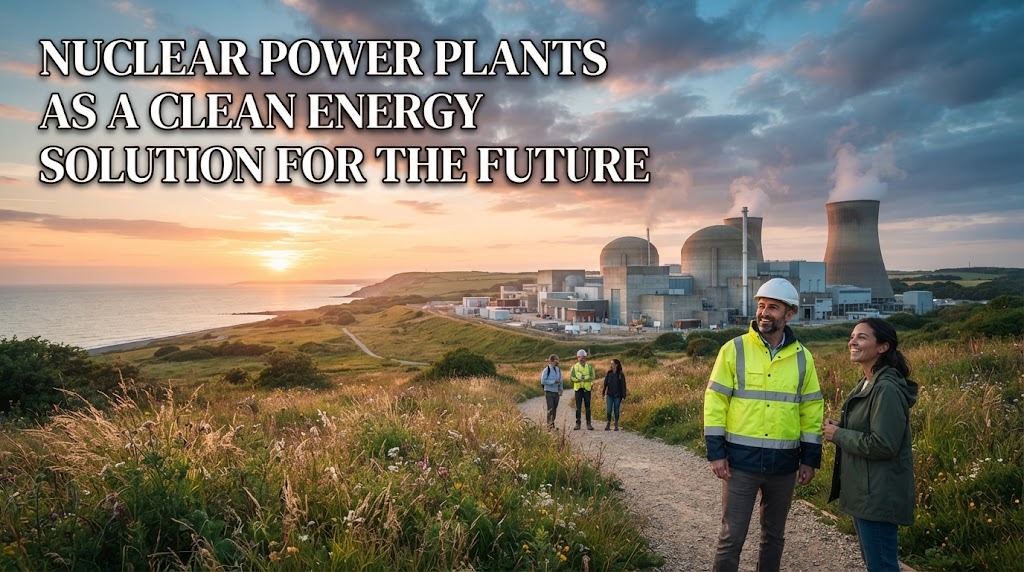
The demand for electricity continues to increase as populations grow, industries expand, and digital technology becomes more important in everyday life. At the same time, many countries are looking for ways to reduce greenhouse gas emissions from the energy sector. Nuclear power plants are often considered part of this transition because they can generate large amounts of electricity with low carbon emissions during operation. Their ability to provide steady power also makes them different from some renewable sources whose output depends on weather conditions.
However, nuclear energy is not a simple solution without challenges. Nuclear power plants require strong safety systems, skilled workers, careful regulation, and responsible radioactive waste management. Construction costs and long project timelines can also affect decisions about nuclear development. For these reasons, nuclear power should be evaluated as one component of a broader clean energy strategy.
WHY NUCLEAR POWER IS CONSIDERED CLEAN ENERGY
Nuclear power is often described as a low carbon energy source because nuclear reactors do not burn coal, oil, or natural gas to produce heat. Instead, most existing nuclear plants use nuclear fission to release heat from fuel such as uranium. That heat is then used to produce steam and generate electricity. During normal electricity generation, nuclear plants therefore have very low direct carbon dioxide emissions.
However, calling nuclear power clean does not mean that it has no environmental impact. Mining and processing nuclear fuel, constructing facilities, transporting materials, and managing radioactive waste all require resources and careful planning. These activities should be considered when assessing the environmental performance of nuclear energy. A complete evaluation should therefore look at the entire life cycle of the technology.
NUCLEAR POWER CAN PROVIDE RELIABLE ELECTRICITY
One of the major advantages of nuclear power is its ability to generate electricity continuously for extended periods. Nuclear reactors are not directly dependent on sunlight, wind speed, or daily weather conditions. This makes them capable of providing a stable supply of electricity when operating normally. Reliable generation can be valuable as electricity demand increases.
Nuclear power can also complement renewable energy sources such as solar and wind. Solar and wind generation can vary depending on weather and time of day. A diverse electricity system can combine nuclear power, renewable energy, energy storage, and other technologies to meet changing demand. The best combination depends on the resources, infrastructure, and energy needs of each country.
REDUCING DEPENDENCE ON FOSSIL FUELS
Coal and other fossil fuels have historically played a major role in electricity generation. However, burning fossil fuels releases carbon dioxide and other air pollutants. Replacing some fossil fuel generation with low carbon sources can help reduce emissions from the electricity sector. Nuclear power can contribute to this effort by generating electricity without combustion during normal operation.
Reducing dependence on fossil fuels can also support energy diversification. Countries can develop a mix of nuclear, renewable, hydroelectric, geothermal, and other suitable energy sources. A diversified system can reduce dependence on a single fuel or technology. Nevertheless, nuclear development requires substantial planning and investment, so it should be considered within a long term energy strategy.
HIGH ENERGY DENSITY OF NUCLEAR FUEL
Nuclear fuel has extremely high energy density compared with conventional fossil fuels. A relatively small quantity of nuclear fuel can release a very large amount of energy through fission. This means nuclear plants do not need the same volume of fuel as many fossil fuel plants require. The difference can affect fuel transportation and storage requirements.
High energy density does not eliminate the need for careful fuel management. Nuclear fuel must be handled through specialized processes and under strict safety and security requirements. Spent fuel also remains radioactive and requires appropriate storage and management. Therefore, the benefits of high energy density must be considered alongside the responsibilities associated with nuclear materials.
NUCLEAR SAFETY IS A MAJOR PRIORITY
Safety is central to the design and operation of every nuclear power plant. Nuclear facilities use multiple layers of protection to control the reactor, maintain cooling, and prevent or limit the release of radioactive materials. These protections can include physical barriers, monitoring systems, emergency cooling systems, and reactor control mechanisms. The goal is to prevent abnormal conditions from developing into serious accidents.
Safety also depends on human expertise and strong institutions. Operators require specialized training, while facilities need regular maintenance, inspections, emergency planning, and continuous monitoring. Independent regulatory oversight is important for ensuring that safety requirements are properly followed. Strong safety culture must remain a priority throughout the entire operating life of a nuclear plant.
MANAGING RADIOACTIVE WASTE
Radioactive waste is one of the most important challenges associated with nuclear power. Different types of radioactive waste have different characteristics and therefore require different management methods. Waste must be properly classified, contained, stored, and monitored according to its properties. These measures are intended to protect workers, communities, and the environment.
Spent nuclear fuel requires particular attention because it remains radioactive and produces heat after being removed from a reactor. It is initially stored using systems designed to provide cooling and shielding. Depending on national policies and available technology, it may later be transferred to other forms of storage or managed through additional fuel cycle strategies. Long term waste planning should be established before or alongside the development of a nuclear power program.
CHALLENGES OF DEVELOPING NUCLEAR POWER
Although nuclear power offers important benefits, building a nuclear plant can require significant financial investment. Projects can also take many years because of detailed planning, licensing, construction, testing, and regulatory requirements. Financing costs and project delays can affect the overall economics of nuclear generation. Governments and developers therefore need careful financial and technical planning.
Another challenge is developing the necessary institutions and workforce. A country needs qualified engineers, operators, safety specialists, regulators, emergency planners, and other professionals. Public understanding and trust are also important, especially because nuclear technology involves risks that can be difficult to understand. Transparent communication and evidence based decision making can help communities participate more meaningfully in discussions about nuclear energy.
THE ROLE OF NUCLEAR POWER IN THE ENERGY TRANSITION
The transition toward lower carbon energy systems will likely require multiple technologies. Nuclear power can provide a steady source of low carbon electricity while renewable energy sources continue to expand. Energy storage, stronger electricity grids, demand management, and improved efficiency can also play important roles. The objective is to create an electricity system that is reliable, affordable, and increasingly low in emissions.
Advanced nuclear technologies may provide additional options in the future. Small Modular Reactors and other advanced reactor concepts are being developed with different designs and potential applications. However, new technologies still need to demonstrate safety, reliability, economic viability, and regulatory readiness. Their potential should therefore be assessed carefully rather than assumed to be a guaranteed solution.
CONCLUSION
Nuclear power plants can play a role in building a cleaner and more reliable energy system for the future. They can generate large amounts of electricity with low direct carbon emissions and can operate independently of short term weather conditions. These characteristics make nuclear energy a potential complement to renewable energy and other low carbon technologies.
At the same time, nuclear power comes with significant responsibilities. Safety, radioactive waste management, construction costs, regulation, skilled personnel, and public trust must all be addressed carefully. Nuclear power should therefore be viewed as one possible part of a broader energy strategy rather than a single solution to every energy challenge. With responsible planning and strong oversight, it can contribute to the development of a more sustainable low carbon energy system.
Tentang Penulis
Gusti Ayu Tita P
Penulis — Universitas STEKOM
Penulis aktif yang berfokus pada isu-isu akademik, teknologi pendidikan, dan pengembangan sumber daya manusia di lingkungan kampus.