Positive Thinking Habits That Increase Your Chances of Passing SNBP
Gusti Ayu Tita P
2 September 2026
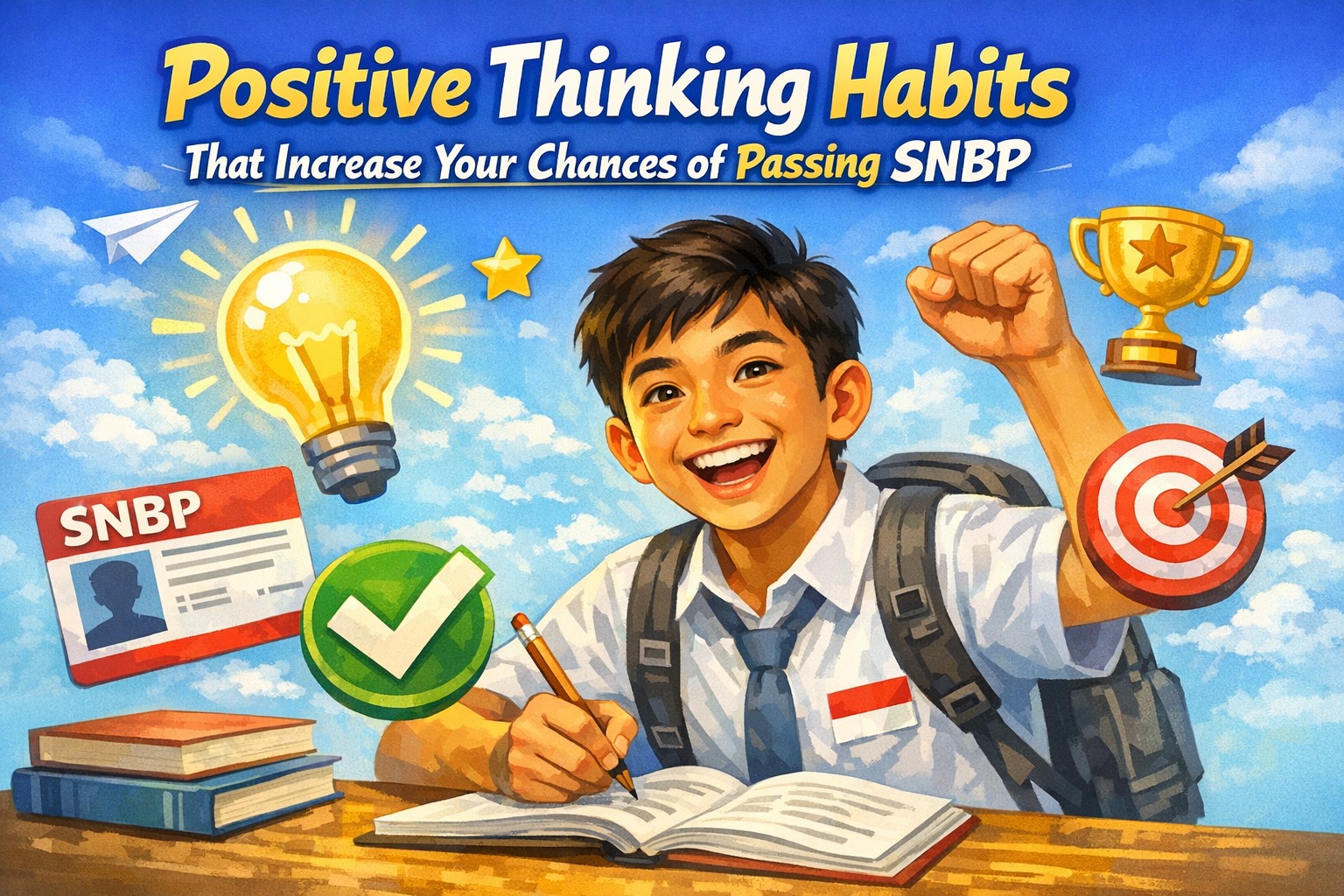
Passing SNBP is a dream for many students who want to continue their education at top universities. While academic performance, achievements, and school records play a major role in the selection process, a positive mindset can also significantly influence a student's journey. Positive thinking helps students stay motivated, focused, and consistent in maintaining their academic performance throughout high school.
Students who successfully pass SNBP often develop healthy thinking habits that help them overcome challenges and stay confident. These habits allow them to manage pressure effectively and continue improving themselves even when facing obstacles. By building positive thinking patterns early, students can create a strong foundation for academic success and personal growth.
BELIEVING IN YOUR OWN POTENTIAL
One of the most important positive thinking habits is believing in your own abilities. Many students underestimate themselves and compare their achievements with others. This negative habit can reduce motivation and confidence over time. Students who believe in their potential are more likely to stay focused on their goals and continue improving their performance.
They understand that every student has different strengths and learning speeds. Instead of worrying about competition, they focus on maximizing their own opportunities. This mindset helps them remain productive and optimistic throughout the SNBP preparation process.
FOCUSING ON PROGRESS INSTEAD OF PERFECTION
Students who think positively understand that continuous improvement is more important than perfection. They do not become discouraged by small mistakes or temporary setbacks. Instead, they use those experiences as lessons for future growth.
Focusing on progress encourages students to maintain consistent study habits and academic achievements. Even when results are not immediately visible, they trust the process and continue working hard. This attitude helps build resilience and long-term success.
DEVELOPING GRATITUDE FOR EVERY ACHIEVEMENT
A habit of practicing gratitude can strengthen mental well-being and increase motivation. Students who appreciate their accomplishments, whether big or small, tend to have a healthier perspective on their academic journey. Gratitude helps reduce stress and prevents excessive self-criticism.
When students recognize their progress, they become more confident and motivated to achieve higher goals. This positive energy can improve concentration, learning effectiveness, and overall academic performance, which are important factors for SNBP success.
TURNING CHALLENGES INTO LEARNING OPPORTUNITIES
Positive thinkers see challenges as opportunities to learn rather than obstacles that stop their progress. Difficult subjects, lower grades, or academic competition are viewed as chances to improve skills and knowledge. This mindset encourages students to stay persistent even during difficult situations.
Instead of giving up, they actively seek solutions and learn from their experiences. As a result, they develop stronger problem-solving abilities and greater confidence. These qualities can support their academic growth and strengthen their readiness for SNBP selection.
SURROUNDING YOURSELF WITH POSITIVE INFLUENCES
The people around students can greatly influence their mindset and motivation. Students who surround themselves with supportive friends, teachers, and family members often develop stronger confidence and optimism. Positive environments encourage healthy habits and productive behaviors.
Constructive feedback and encouragement can help students stay motivated when facing academic pressure. Being surrounded by positive influences also helps maintain emotional balance and reduces unnecessary stress during the preparation period.
VISUALIZING SUCCESS AND STAYING MOTIVATED
Successful students often practice positive visualization by imagining themselves achieving their goals. This habit helps strengthen determination and maintain enthusiasm for studying. Visualization creates a clear picture of success and encourages students to stay committed to their plans.
When combined with consistent effort, positive visualization can increase confidence and reduce anxiety. Students become more focused on actions that bring them closer to their desired outcomes rather than dwelling on fears or doubts.
MAINTAINING A SOLUTION-ORIENTED MINDSET
Students with positive thinking habits focus on finding solutions rather than complaining about problems. When they encounter academic difficulties, they look for practical ways to improve. This approach allows them to use their energy efficiently and remain productive.
A solution-oriented mindset promotes responsibility and independence. It helps students adapt to changing situations and continue moving forward despite challenges. These characteristics are valuable for achieving strong academic records and increasing the likelihood of passing SNBP.
CONCLUSION
Positive thinking does not guarantee automatic success in SNBP, but it can significantly improve the habits and behaviors that contribute to academic achievement. Students who believe in themselves, focus on growth, practice gratitude, embrace challenges, seek positive influences, visualize success, and look for solutions are often better prepared for the selection process.
By developing these positive thinking habits consistently, students can strengthen both their academic performance and mental resilience. Combined with dedication and hard work, a positive mindset can become a powerful factor in increasing the chances of passing SNBP.
Tentang Penulis
Gusti Ayu Tita P
Penulis — Universitas STEKOM
Penulis aktif yang berfokus pada isu-isu akademik, teknologi pendidikan, dan pengembangan sumber daya manusia di lingkungan kampus.