Public Transportation Strategies for Greener Cities
Gusti Ayu Tita P
11 Agustus 2026
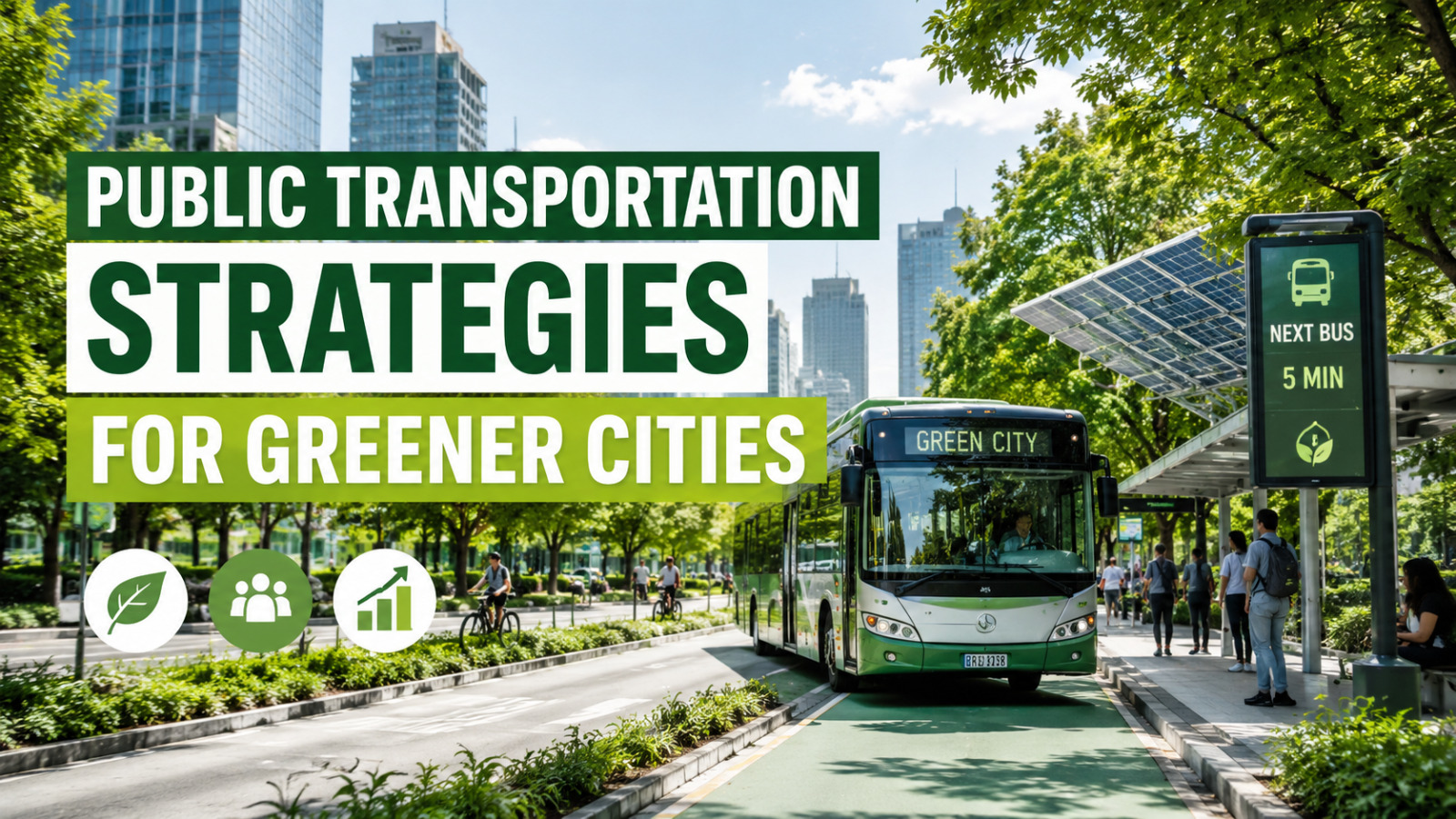
Public transportation plays an important role in creating greener and more sustainable cities. As urban populations continue to grow, cities need transportation systems that can move people efficiently while reducing environmental impacts. Buses, trains, trams, and other public transit options can carry many passengers in fewer vehicles, helping reduce fuel consumption and emissions. For this reason, effective public transportation strategies are becoming an important part of modern urban planning.
Developing greener cities requires more than simply adding new transit routes. Governments and transportation providers need to improve service quality, encourage people to use public transit, and integrate transportation with walking and cycling infrastructure. A well-planned public transportation system can support cleaner air, lower congestion, and better access to essential services.
EXPANDING EFFICIENT PUBLIC TRANSPORTATION NETWORKS
One of the most effective strategies for greener cities is expanding efficient public transportation networks. Cities can provide more bus routes, rail services, and reliable connections between residential areas, workplaces, schools, and commercial centers. When public transportation is convenient and accessible, people are more likely to choose it instead of using private cars for daily activities. This can reduce the number of vehicles on busy roads and help lower transportation-related emissions.
Transit networks should also be designed around the actual needs of passengers. Frequent services, well-connected routes, and dependable schedules can make public transportation a practical choice for more residents. Transit hubs can connect different transportation modes, allowing passengers to transfer between buses, trains, bicycles, and walking routes more easily. Better connectivity can make the entire urban transportation system more efficient and environmentally friendly.
PROMOTING LOW EMISSION TRANSPORTATION
Another important strategy is increasing the use of low emission and zero emission vehicles. Public transportation providers can gradually replace conventional diesel buses with electric buses, hydrogen-powered vehicles, or other cleaner alternatives where appropriate. These technologies can reduce local air pollution and decrease dependence on fossil fuels, especially when electricity comes from cleaner energy sources. Cleaner public transit can therefore contribute to healthier urban environments.
However, switching to cleaner vehicles requires proper planning and investment. Cities need suitable charging or fueling infrastructure, maintenance facilities, trained workers, and reliable energy supplies. Long-term transportation planning can help cities introduce cleaner fleets without disrupting existing services. Combining cleaner vehicles with efficient operations can provide greater environmental benefits over time.
MAKING PUBLIC TRANSIT MORE ATTRACTIVE
A greener transportation strategy will be more successful when public transit is comfortable, safe, affordable, and convenient. Passengers are more likely to use buses and trains regularly when services are punctual and vehicles are maintained properly. Clean stations, clear information, adequate lighting, and accessible facilities can also improve passenger confidence. These improvements can encourage people to reduce their dependence on private vehicles.
Cities can also introduce policies that make public transportation easier to use. Integrated ticketing systems, simple fare structures, and real-time service information can reduce common barriers for passengers. Affordable fares combined with reliable service can make public transportation attractive to students, workers, families, and older residents. A better passenger experience can ultimately support higher public transit use and contribute to greener urban mobility.
CONNECTING PUBLIC TRANSIT WITH WALKING AND CYCLING
Public transportation works best when it is connected with other sustainable forms of mobility. Cities can develop safe sidewalks, bicycle lanes, pedestrian crossings, and bicycle parking around transit stations and stops. These facilities allow people to walk or cycle to public transportation instead of relying on cars for short trips. This approach can reduce emissions while also supporting healthier lifestyles.
A connected system should make transfers between different modes simple and safe. For example, a passenger could cycle to a train station, take the train to the city center, and walk to the final destination. Integrated mobility planning can make these journeys more practical and reduce the need for private car ownership. As a result, public transit can become part of a broader sustainable transportation network.
USING TECHNOLOGY FOR GREENER TRANSIT
Digital technology can help cities operate public transportation more efficiently. Real-time tracking, digital payment systems, smart traffic management, and data analysis can improve how transit services are planned and delivered. Transportation authorities can use passenger data to identify busy routes, adjust schedules, and allocate vehicles more effectively. Better information can also help reduce unnecessary vehicle operations and energy use.
Technology can improve the passenger experience as well. Mobile applications can provide real-time arrival information, route planning, digital tickets, and service updates. Passengers can make better travel decisions when they have accurate information about delays and available routes. Smart transportation technology therefore has the potential to improve both operational efficiency and the environmental performance of public transit.
ENCOURAGING PEOPLE TO USE PUBLIC TRANSPORT
Even the best transportation system cannot create greener cities if residents rarely use it. Governments can encourage public transit through public awareness campaigns, affordable fares, reliable services, and supportive urban policies. Employers and schools can also promote public transportation by providing transit information and encouraging sustainable commuting habits. These efforts can gradually change how people think about daily travel.
Urban policies can further support this transition by managing private vehicle use in crowded areas. Measures such as parking management, pedestrian-friendly streets, and designated transit lanes can make sustainable transportation more competitive. The goal should not simply be to restrict cars but to provide practical and attractive alternatives. When public transit offers a reliable option, more people may willingly choose it for everyday journeys.
CONCLUSION
Public transportation strategies are essential for building greener cities. Expanding efficient transit networks, introducing cleaner vehicles, improving passenger services, and connecting public transportation with walking and cycling can reduce the environmental impact of urban mobility. Digital technology can further improve efficiency while making public transit easier to use.
Creating sustainable cities requires cooperation between governments, transportation operators, businesses, and communities. Reliable and accessible public transportation can reduce emissions, support cleaner air, and provide better mobility for residents. With thoughtful planning and continuous improvement, public transit can become a strong foundation for a healthier and more sustainable urban future.
Tentang Penulis
Gusti Ayu Tita P
Penulis — Universitas STEKOM
Penulis aktif yang berfokus pada isu-isu akademik, teknologi pendidikan, dan pengembangan sumber daya manusia di lingkungan kampus.