Renewable Energy as the Future Solutions Fast Fashion and Its Impact on the Planet
Gusti Ayu Tita P
12 Oktober 2026
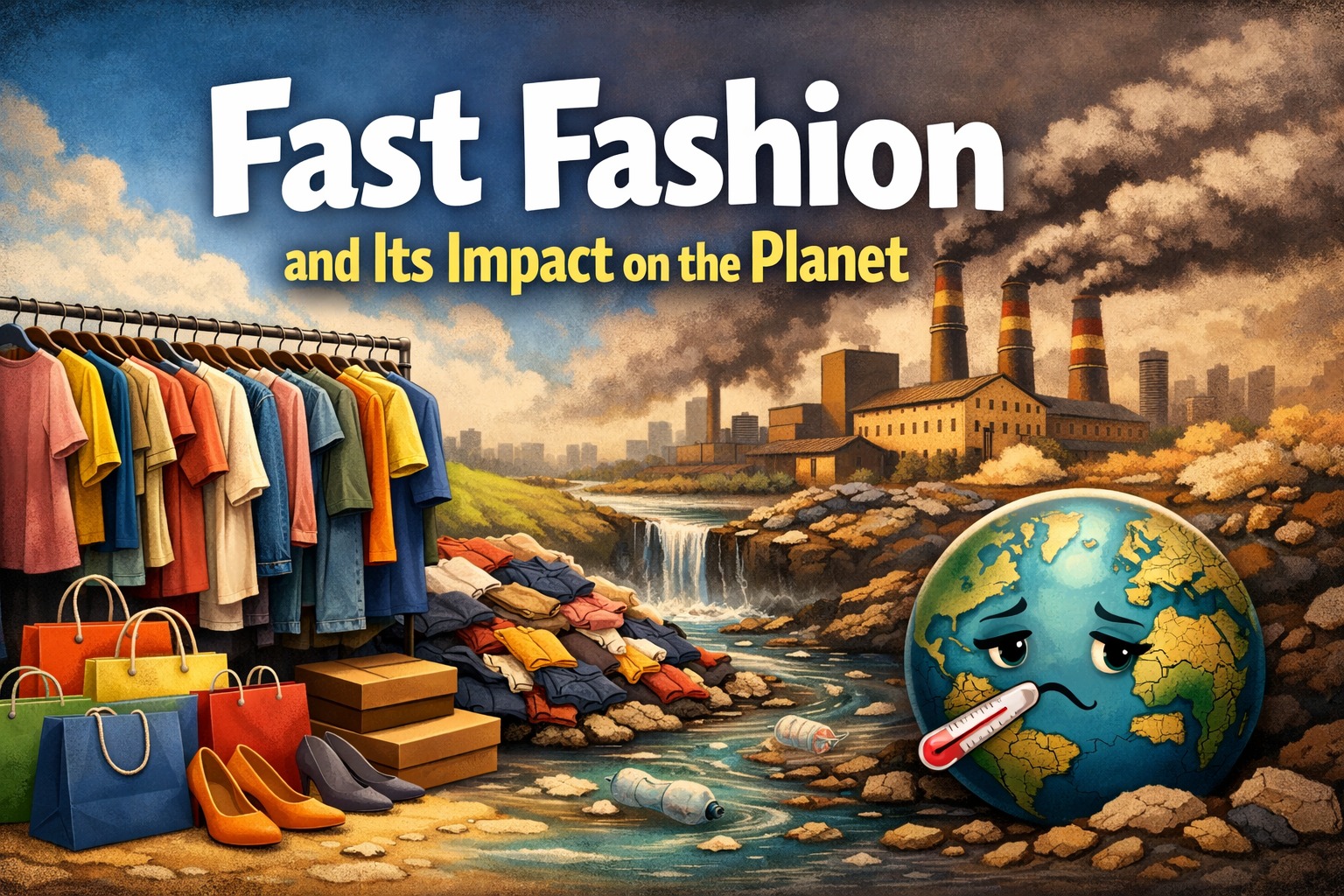
The world is facing two major environmental challenges at the same time: the urgent need for clean energy and the growing damage caused by fast fashion. While renewable energy offers hope for reducing carbon emissions, the fashion industry continues to generate massive waste and pollution. Understanding both issues helps us see how lifestyle choices and energy transitions must work together to protect the planet.
---
## THE RISING NEED FOR RENEABLE ENERGY
Global energy demand keeps increasing as populations grow and technology expands. For decades, fossil fuels such as coal, oil, and gas have powered industries and transportation. However, these resources release large amounts of greenhouse gases and accelerate climate change.
Renewable energy sources—like solar, wind, hydro, and geothermal—provide cleaner alternatives. They produce little to no emissions and rely on natural processes that replenish over time. As technology improves, renewable energy becomes more affordable and accessible worldwide.
---
## TYPES OF RENEWABLE ENERGY CHANGING THE FUTURE
### SOLAR POWER
Solar panels convert sunlight into electricity. Homes, businesses, and even entire cities are now adopting solar systems to reduce energy costs and emissions.
### WIND ENERGY
Wind turbines generate electricity using air movement. Large wind farms are becoming common in coastal and rural areas.
### HYDROPOWER
Hydropower uses flowing water to produce electricity and remains one of the most stable renewable sources.
### GEOTHERMAL ENERGY
This energy comes from heat stored beneath the Earth’s surface and can provide consistent power year-round.
Together, these technologies are reshaping the global energy landscape.
---
## UNDERSTANDING FAST FASHION AND ITS ENVIRONMENTAL COST
Fast fashion refers to the rapid production of inexpensive clothing designed to follow trends quickly. While affordable fashion appeals to consumers, it has severe environmental consequences.
The industry consumes enormous amounts of water, energy, and raw materials. Many garments are worn only a few times before being discarded, leading to growing textile waste in landfills.
---
## HOW FAST FASHION HARMS THE PLANET
### EXCESSIVE WATER USE
Producing clothing—especially cotton—requires huge volumes of water. This strains freshwater resources in many regions.
### TEXTILE WASTE
Millions of tons of clothing end up in landfills each year, where synthetic fabrics take decades to decompose.
### CARBON EMISSIONS
Manufacturing, shipping, and distribution generate significant greenhouse gas emissions.
### MICROPLASTIC POLLUTION
Synthetic fabrics release microplastics into waterways during washing, harming marine ecosystems.
---
## HOW RENEWABLE ENERGY CAN SUPPORT SUSTAINABLE FASHION
Switching the fashion industry to renewable energy could dramatically reduce its carbon footprint. Factories powered by solar or wind energy can produce clothing with fewer emissions. In addition, sustainable fashion brands are focusing on recycling materials, reducing waste, and promoting long-lasting products.
Consumers also play a major role by choosing quality over quantity and supporting eco-friendly brands.
---
## WHAT INDIVIDUALS CAN DO TODAY
Small lifestyle changes can create meaningful environmental impact:
* Buy fewer but higher-quality clothes
* Reuse, repair, or donate old garments
* Support sustainable fashion brands
* Reduce energy consumption at home
* Advocate for clean energy policies
Every action contributes to a larger global movement toward sustainability.
---
## CONCLUSION
Renewable energy and responsible fashion are deeply connected in the fight against climate change. Transitioning to clean energy while reducing fast fashion consumption can significantly lower environmental damage. By making smarter choices and supporting sustainable practices, individuals and industries can work together to build a greener future.
---
Tentang Penulis
Gusti Ayu Tita P
Penulis — Universitas STEKOM
Penulis aktif yang berfokus pada isu-isu akademik, teknologi pendidikan, dan pengembangan sumber daya manusia di lingkungan kampus.