Requirements Needed For Vehicle Registration Renewal
Gusti Ayu Tita P
7 September 2026
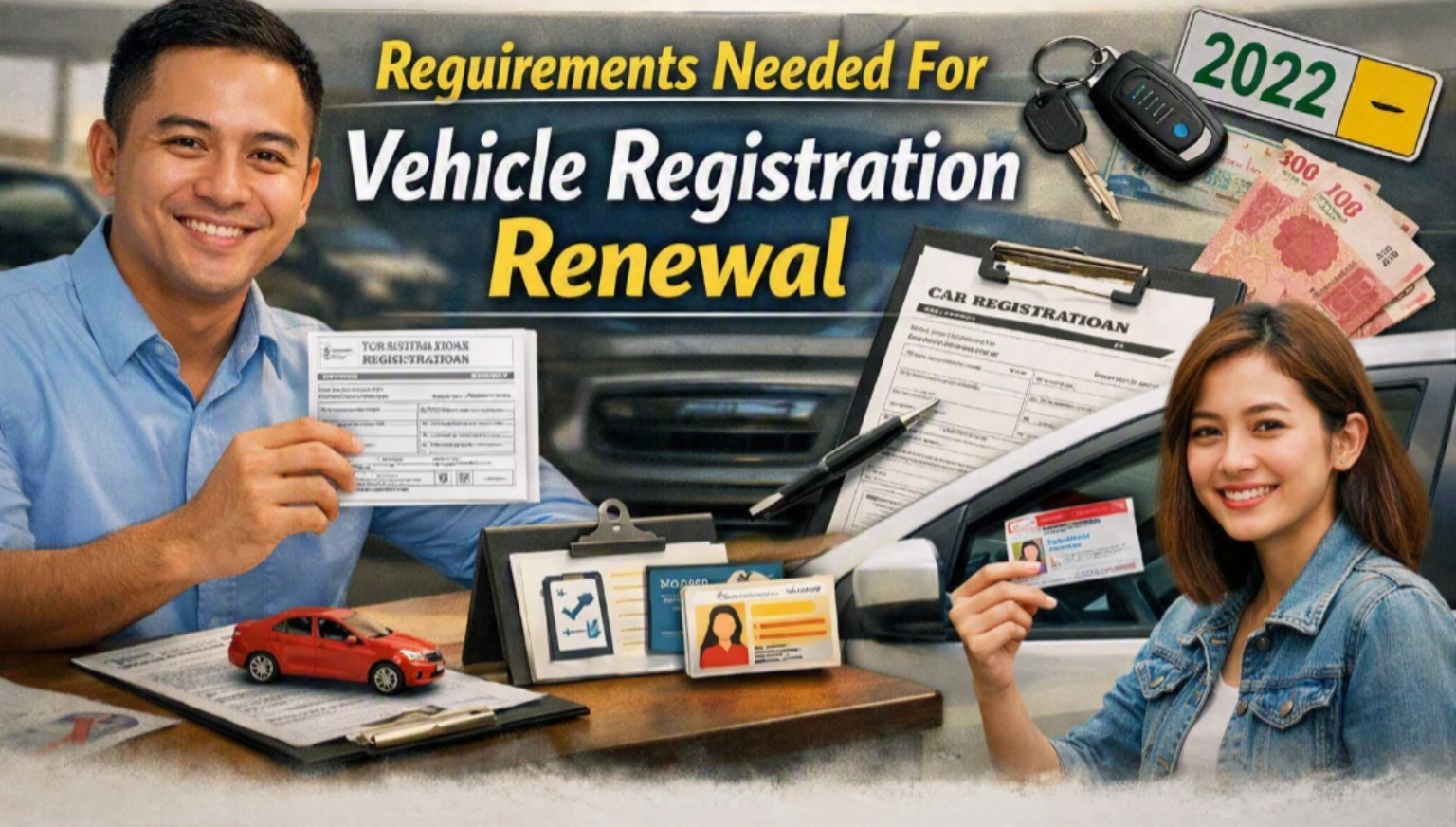
Renewing a vehicle registration is an important responsibility for vehicle owners because it helps keep registration records valid and up to date. The exact requirements can vary depending on the country, state, or local authority, as well as the type of vehicle and renewal method. In general, owners need to prepare valid vehicle documents and complete the required payment before receiving updated registration. Some jurisdictions may also require insurance coverage, an emissions or safety inspection, or other verification. Understanding the requirements in advance can make the renewal process faster and help prevent unnecessary delays.
WHAT IS VEHICLE REGISTRATION RENEWAL?
Vehicle registration renewal is the process of extending the validity of a vehicle's registration for another period. Registration usually identifies the vehicle and connects it with its owner in the official records of the relevant transportation authority. Depending on local rules, registration may need to be renewed annually or at another specified interval. Driving with an expired registration can result in penalties, fees, or other legal consequences.
The renewal process may be completed online, by mail, or in person, depending on the authority and eligibility requirements. Before renewing, vehicle owners should check the expiration date and confirm which documents are required. They should also make sure that their personal and vehicle information is accurate. Preparing these details beforehand can make the process more straightforward.
COMMON DOCUMENTS REQUIRED FOR RENEWAL
One of the most important requirements is the vehicle's current registration document or renewal notice, when applicable. Owners may also need to provide a valid vehicle identification number, license plate information, or other vehicle details. Proof of identity may be required when completing the process in person. Some jurisdictions also ask for proof of vehicle insurance before allowing registration renewal.
Additional requirements can depend on the vehicle and local regulations. For example, certain areas may require a vehicle inspection before registration can be renewed. Owners should therefore check the official transportation or motor vehicle authority in their jurisdiction rather than relying only on general information. Requirements may also differ for commercial vehicles, older vehicles, imported vehicles, or vehicles with special registration status.
PROOF OF INSURANCE AND OTHER VERIFICATION
In many jurisdictions, vehicle owners must have valid insurance before renewing registration. Proof of insurance may be checked electronically or may need to be presented during the renewal process. If the insurance information cannot be verified, the renewal may be delayed until the issue is resolved. Owners should make sure that their insurance details are current and match the vehicle information on record.
Some locations may also require emissions testing or safety inspections. These requirements are generally intended to confirm that vehicles meet applicable environmental or safety standards. Not every vehicle or jurisdiction is subject to the same testing rules, so owners should verify whether an inspection applies to them. Completing any required inspection before starting the renewal can help avoid interruptions.
FEES AND PAYMENT REQUIREMENTS
Vehicle registration renewal normally involves a registration fee, although the amount varies according to the jurisdiction and vehicle type. Additional charges may apply for special plates, administrative services, late renewal, or other circumstances. The authority may provide the exact amount through a renewal notice, online account, or official service center. Owners should review the total amount carefully before making a payment.
Accepted payment methods can also differ between jurisdictions and renewal channels. Online services may accept electronic payments, while physical offices may provide additional options. If a renewal is completed after the registration has expired, late fees may be added. Paying on time is therefore useful not only for maintaining legal registration but also for avoiding unnecessary additional costs.
RENEWING VEHICLE REGISTRATION ONLINE
Online renewal can be a convenient option when the vehicle and owner meet the eligibility requirements. The owner generally needs to enter information such as the registration number, vehicle details, and other identifying information requested by the official system. The system may verify insurance, inspection status, and outstanding requirements automatically. After payment is completed, confirmation may be provided electronically or through another delivery method.
Before using an online service, make sure the website belongs to the official government or transportation authority. Avoid entering personal or payment information on unfamiliar websites that claim to process registration renewals. Keep the payment receipt and renewal confirmation for your records. If the system shows an error or indicates that additional documents are required, follow the instructions provided by the relevant authority.
RENEWING REGISTRATION IN PERSON
Some vehicle owners may need to renew their registration in person, especially when online renewal is unavailable or when additional verification is required. In this situation, owners should bring the required registration documents, identification, insurance proof, inspection documents, and payment if applicable. The exact list should be confirmed with the relevant local authority before visiting the office. This can help prevent a second trip because of a missing document.
At the service office, the information provided by the owner may be checked against official records. Any outstanding fees or administrative issues may need to be resolved before the renewal can be completed. Once all requirements are satisfied, the updated registration documents or other proof of renewal can be issued. Owners should keep the updated documents safely and check that the information printed on them is correct.
WHAT TO CHECK BEFORE RENEWING?
Before starting the renewal process, check the registration expiration date and identify the correct renewal period. Make sure the owner's information, vehicle details, insurance status, and inspection records are accurate. It is also useful to check whether there are unpaid fees, tickets, or other outstanding requirements that could prevent renewal. Resolving these issues early can reduce delays.
Vehicle owners should also confirm the accepted payment methods and whether an appointment is necessary for an in-person renewal. Requirements can change, so information from an old renewal cycle may not always apply to the current one. The safest approach is to use information published by the official motor vehicle or transportation authority in the relevant jurisdiction. This ensures that the documents and procedures being followed are current.
CONCLUSION
The requirements for vehicle registration renewal depend on the jurisdiction, vehicle type, and individual circumstances. Common requirements may include a current registration record, identification, proof of insurance, applicable inspection documents, and payment of the required fees. Some renewals can be completed online, while others may require an in-person visit. Checking the official requirements before beginning the process can help owners avoid delays and unexpected costs. Most importantly, vehicle owners should renew before the registration expires and keep proof of the completed renewal for future reference.
Tentang Penulis
Gusti Ayu Tita P
Penulis — Universitas STEKOM
Penulis aktif yang berfokus pada isu-isu akademik, teknologi pendidikan, dan pengembangan sumber daya manusia di lingkungan kampus.