Skill Development And Career Opportunities For Social Assistance Recipients
Gusti Ayu Tita P
1 September 2026
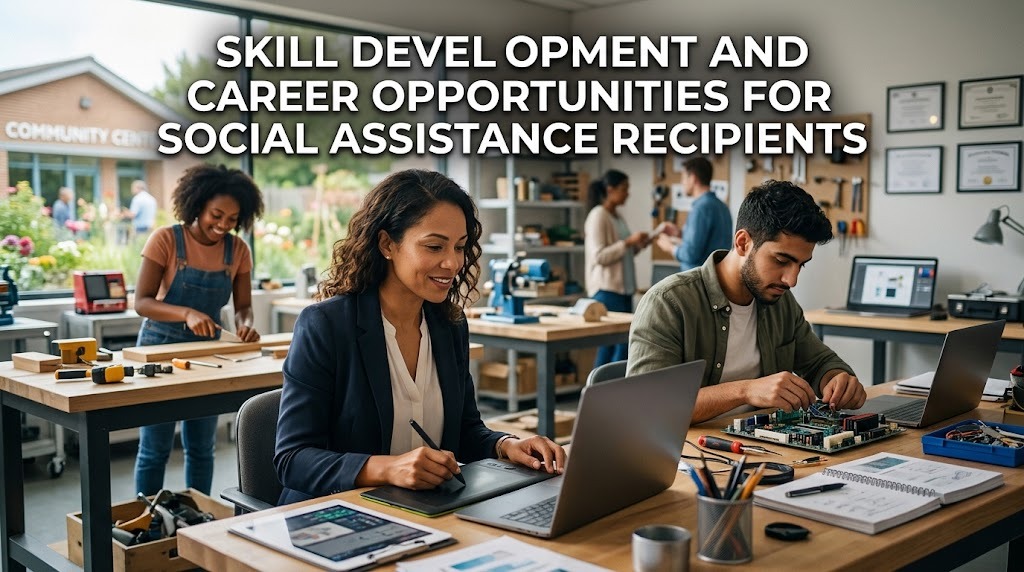
Skill Development can help social assistance recipients prepare for better employment and income opportunities. Financial support can help meet immediate needs, while useful skills can contribute to longer-term economic independence. Skills may include technical abilities, digital knowledge, communication, entrepreneurship, or practical work skills. The most suitable skill depends on a person's interests, existing abilities, and local opportunities. Learning gradually can still produce meaningful progress.
Recipients should focus on skills that have practical value in their circumstances. Practical Skills can be developed through training programs, community activities, vocational education, online learning, or work experience. Before joining a course, check whether the provider is credible and whether the training matches realistic employment opportunities. Avoid paying large amounts for programs that promise guaranteed jobs. Good skill development should provide useful knowledge rather than unrealistic promises.
EXPLORE VOCATIONAL TRAINING
Vocational Training can provide practical preparation for specific occupations. Depending on the available programs, training may cover areas such as cooking, tailoring, automotive work, computer skills, beauty services, agriculture, or other fields. Recipients should choose training based on their interests and the needs of the local job market. Practical training can be particularly useful for people who want to enter employment or develop a small business. Always check whether training programs have legitimate certification or recognition when relevant.
Before enrolling, compare different training options carefully. Training Programs may differ in duration, cost, curriculum, facilities, and employment connections. Government agencies, educational institutions, and community organizations may offer opportunities depending on the region. Ask about the requirements and expected outcomes before participating. Choosing appropriate training can help maximize the time and resources invested in learning.
BUILD DIGITAL AND PROFESSIONAL SKILLS
Digital knowledge is increasingly useful across many types of work. Digital Skills can include basic computer use, online communication, digital marketing, graphic design, spreadsheets, or other abilities relevant to specific jobs. These skills can help individuals access employment information and manage certain business activities. Beginners do not need to master everything at once. Starting with basic abilities and practicing regularly can build confidence.
Professional skills are also important for career development. Workplace Skills include communication, teamwork, problem-solving, punctuality, adaptability, and responsible work habits. Employers often consider these qualities alongside technical abilities. Practicing communication and organization can improve workplace readiness. Combining technical and professional skills can make a candidate more competitive.
LOOK FOR LOCAL CAREER OPPORTUNITIES
After developing useful skills, recipients can begin exploring Career Opportunities that match their abilities. Local businesses, community organizations, training centers, and employment services may provide information about available positions. Online job platforms can also be useful when used carefully. Applicants should read job descriptions and requirements before applying. Avoid opportunities that request suspicious payments or personal information without a clear reason.
Building professional connections can also help people discover opportunities. Career Networks can include former classmates, training instructors, community groups, professional associations, and trusted contacts. Networking does not guarantee employment, but it can increase access to useful information. Maintain a professional attitude when communicating with potential employers. A good reputation can become valuable as career opportunities develop.
CONSIDER SMALL BUSINESS OPPORTUNITIES
Some recipients may prefer entrepreneurship instead of traditional employment. Small Business opportunities can include food production, tailoring, agriculture, online selling, repair services, or other activities based on local demand. Before starting, identify potential customers and estimate costs carefully. Avoid borrowing large amounts of money without a realistic business plan. Starting on a manageable scale can reduce financial risk.
Basic business knowledge is important for sustainable operations. Business Skills include budgeting, pricing, customer service, inventory management, promotion, and record keeping. Entrepreneurs should separate business money from household money whenever possible. They should also follow applicable legal and administrative requirements. Learning continuously can help small businesses adapt to customer needs and market changes.
USE SUPPORT PROGRAMS RESPONSIBLY
Recipients should look for legitimate Career Support programs that may provide training, employment assistance, entrepreneurship guidance, or other development opportunities. Availability depends on location and government or organizational programs. Before participating, verify the program through its official source. Do not assume that every training offer using the name of social assistance is legitimate. Careful verification can prevent scams and wasted resources.
The goal of skill development is to gradually increase Economic Independence. Social assistance can provide temporary support, while education, training, employment, and entrepreneurship can help create longer-term opportunities. Recipients should choose realistic goals and measure progress over time. Even learning one useful skill can become a foundation for future work. Consistency is often more important than trying to achieve everything immediately.
CONCLUSION
Skill development can give social assistance recipients opportunities to strengthen their abilities and prepare for greater economic independence. Vocational Training, digital skills, workplace skills, and entrepreneurship can provide different pathways depending on individual circumstances. The best choice should consider personal interests, existing abilities, and realistic opportunities in the local economy.
Recipients should also verify training and employment opportunities before participating. Career Support can be valuable when it comes from legitimate organizations and provides practical benefits. By continuously developing skills and exploring suitable employment or business opportunities, recipients can gradually build a stronger foundation for their financial future.
Tentang Penulis
Gusti Ayu Tita P
Penulis — Universitas STEKOM
Penulis aktif yang berfokus pada isu-isu akademik, teknologi pendidikan, dan pengembangan sumber daya manusia di lingkungan kampus.