Smart Strategies to Grow an Emergency Fund Without Disrupting Daily Expenses
Gusti Ayu Tita P
6 Agustus 2026
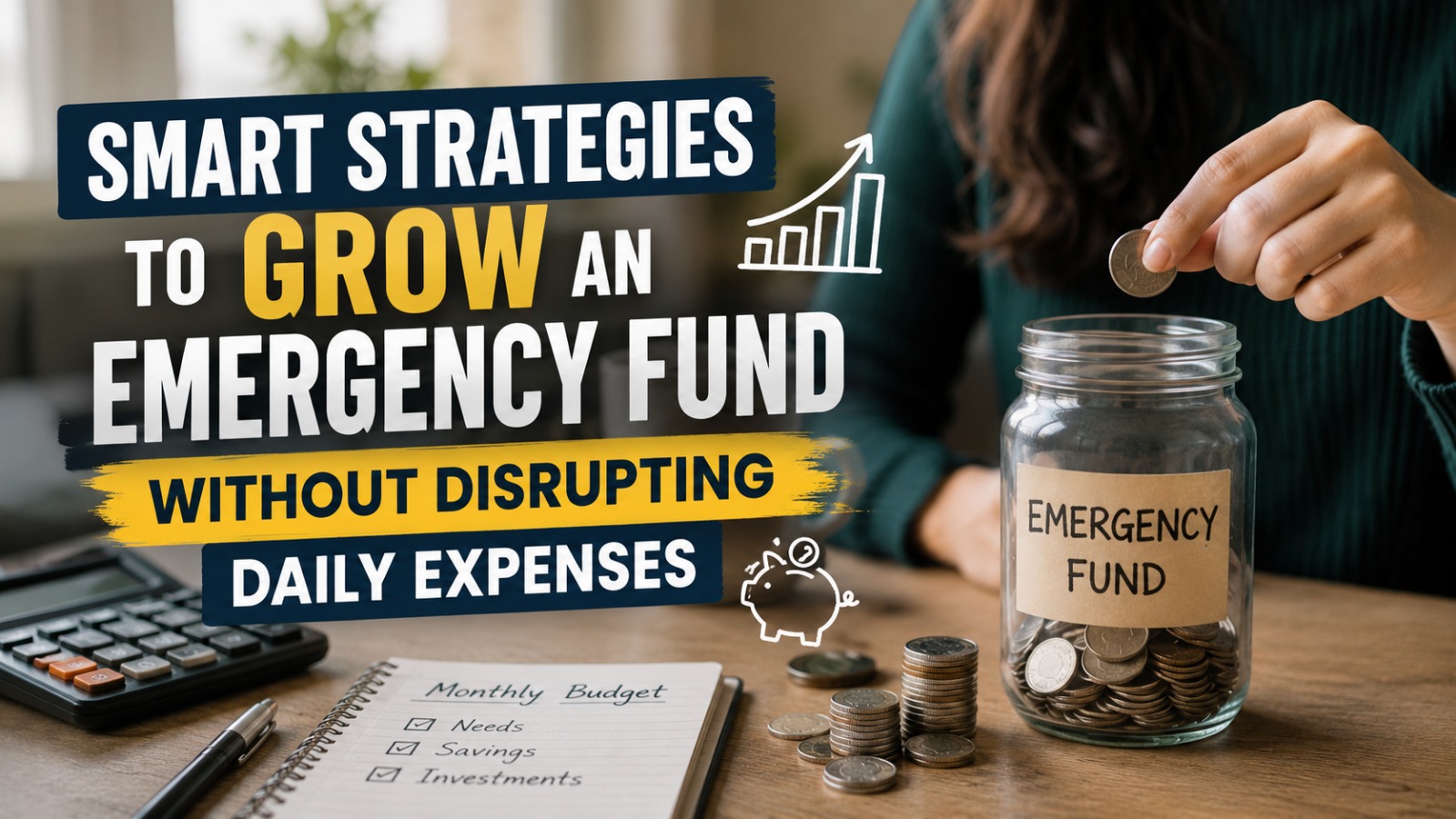
Building an emergency fund is one of the most effective ways to achieve financial security. Unfortunately, many people believe they must sacrifice their daily lifestyle or stop enjoying life in order to save money. In reality, growing an emergency fund can be done gradually without disrupting essential daily expenses. The key lies in smart financial planning, consistent saving habits, and making better spending decisions.
An emergency fund acts as a financial cushion during unexpected situations such as job loss, medical emergencies, home repairs, or urgent family needs. Without adequate savings, many people rely on loans or credit cards, which often create additional financial pressure. By applying practical strategies, you can steadily build your savings while maintaining a comfortable lifestyle.
UNDERSTAND THE PURPOSE OF AN EMERGENCY FUND
An emergency fund is money reserved exclusively for unexpected financial situations. It is not intended for vacations, shopping, or entertainment expenses. Having this reserve allows you to handle emergencies without affecting your monthly budget or long-term financial goals.
Financial experts generally recommend saving enough to cover three to six months of living expenses. Families or individuals with unstable incomes may need an even larger reserve. Understanding the true purpose of an emergency fund helps you stay committed and avoid using it for unnecessary purchases.
CREATE A PRACTICAL MONTHLY BUDGET
A clear monthly budget is the foundation of successful saving. Begin by listing all sources of income and tracking every expense throughout the month. This simple practice helps identify unnecessary spending and reveals opportunities to save without reducing your quality of life.
Divide your budget into essential needs, savings, and optional expenses. Prioritize housing, food, transportation, utilities, and healthcare before spending on entertainment or luxury items. A realistic budget keeps your finances organized while allowing you to contribute consistently to your emergency fund.
SAVE SMALL AMOUNTS ON A REGULAR BASIS
Many people postpone saving because they believe they need a large amount of money to begin. However, consistent saving is much more effective than making occasional large deposits. Even setting aside a small amount every week or every payday can produce impressive results over time.
Consider using automatic transfers from your primary account to a separate savings account. This approach removes the temptation to spend the money elsewhere. As your savings grow gradually, you will hardly notice the small contributions leaving your monthly budget.
REDUCE UNNECESSARY SPENDING WITHOUT SACRIFICE
Saving money does not always require major lifestyle changes. Instead, focus on reducing unnecessary expenses such as unused subscriptions, impulse purchases, expensive coffee habits, or excessive online shopping. Small adjustments often create significant savings over the course of a year.
Before making any purchase, ask yourself whether it is a need or simply a temporary desire. This habit encourages mindful spending and helps redirect extra money toward your emergency fund. Over time, these smart financial decisions become part of your everyday routine.
USE EXTRA INCOME TO BOOST YOUR SAVINGS
Additional income can significantly accelerate your savings progress. Freelance projects, part-time work, selling unused items, tutoring, or online businesses are all practical ways to generate extra money. Even occasional earnings can make a noticeable difference.
Whenever possible, allocate most of your additional income directly to your emergency fund instead of increasing your lifestyle expenses. This strategy allows your savings to grow faster without affecting your regular monthly budget. It also helps you reach your financial goals much sooner.
REVIEW YOUR PROGRESS REGULARLY
Monitoring your savings progress keeps you motivated and focused on your financial objectives. Review your emergency fund at the end of each month to measure your growth and identify areas where you can improve. Seeing steady progress reinforces positive financial habits.
If your income increases, consider raising your monthly savings contribution while keeping your living expenses under control. Small improvements over time create significant financial stability. Regular reviews also ensure your emergency fund continues to match your changing financial needs.
STAY COMMITTED TO LONG TERM FINANCIAL SECURITY
Building an emergency fund is not about becoming wealthy overnight. It is about developing healthy financial habits that provide lasting protection against unexpected events. Consistency, patience, and discipline are far more valuable than trying to save large amounts in a short period.
Remember that every contribution, regardless of size, brings you closer to financial independence. By staying committed to your savings plan and avoiding unnecessary debt, you create a stronger financial future. A well-funded emergency reserve provides confidence, stability, and peace of mind throughout every stage of life.
CONCLUSION
Growing an emergency fund without disrupting daily expenses is entirely possible with the right strategy. By creating a realistic budget, saving consistently, reducing unnecessary spending, using additional income wisely, and reviewing your progress regularly, you can strengthen your financial position without sacrificing your lifestyle. Every small saving contributes to long-term financial security and prepares you for unexpected challenges. Start today, stay consistent, and let your emergency fund become the foundation of a more secure financial future.
Tentang Penulis
Gusti Ayu Tita P
Penulis — Universitas STEKOM
Penulis aktif yang berfokus pada isu-isu akademik, teknologi pendidikan, dan pengembangan sumber daya manusia di lingkungan kampus.