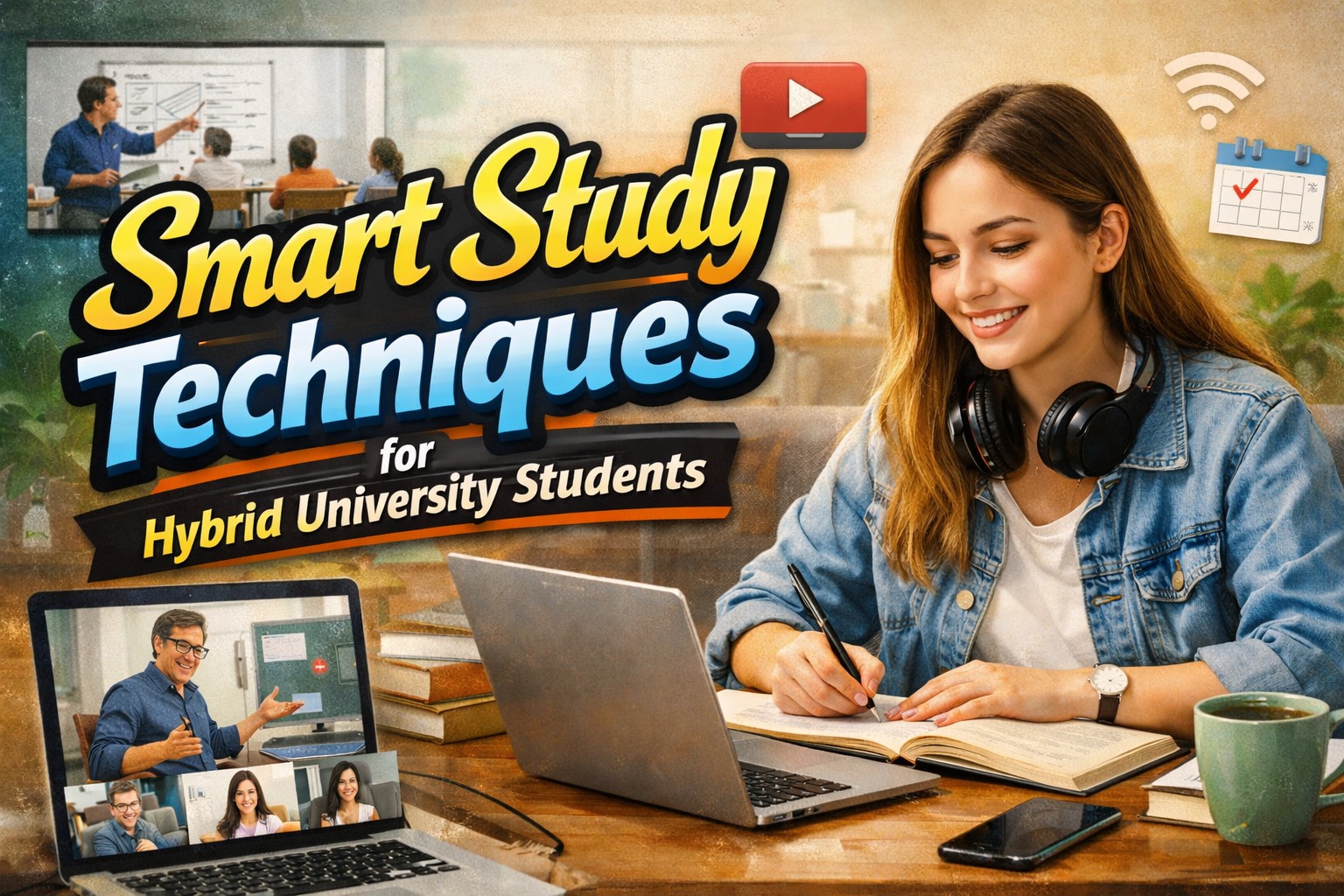
The rise of hybrid learning has transformed the way university students study and interact with educational materials. By combining online and face-to-face learning, hybrid education offers flexibility and convenience. However, it also requires students to develop effective study habits to stay productive and achieve academic success. Understanding the right strategies can help students maximize the benefits of this modern learning system.
CREATE A STRUCTURED STUDY SCHEDULE
One of the most effective ways to succeed in hybrid learning is by creating a structured study schedule. Since students must balance both online and offline classes, having a clear timetable helps prevent missed assignments and forgotten deadlines. A well-planned schedule also reduces stress and improves overall productivity.
Students should allocate specific hours for attending virtual lectures, reviewing notes, completing assignments, and preparing for exams. Using digital calendars or study-planning apps can make time management easier. Consistency in following a schedule helps build discipline and strengthens learning habits over time.
DEVELOP AN ORGANIZED LEARNING ENVIRONMENT
A productive study environment plays a major role in academic performance. Hybrid university students often switch between learning from home and attending classes on campus. Therefore, maintaining an organized workspace is essential for staying focused and minimizing distractions.
Keep study materials, notebooks, and digital resources neatly arranged for easy access. Ensure that your study area has good lighting, a comfortable chair, and a stable internet connection. An organized environment supports concentration and helps students complete tasks more efficiently.
UTILIZE DIGITAL TOOLS EFFECTIVELY
Technology is at the heart of hybrid education, making digital learning tools valuable resources for students. Platforms for note-taking, task management, and online collaboration can significantly improve learning efficiency. These tools help students stay connected with lecturers and classmates regardless of location.
Applications such as cloud storage services allow students to access learning materials anytime and anywhere. Video conferencing platforms support interactive discussions, while educational apps help reinforce understanding of course content. Proper use of technology can simplify academic responsibilities and enhance learning outcomes.
APPLY ACTIVE LEARNING STRATEGIES
Passive reading is often less effective than active learning techniques. Hybrid students can improve comprehension by engaging directly with the material through discussions, summarizing concepts, and teaching topics to others. Active participation encourages deeper understanding and long-term retention.
Taking detailed notes during lectures and reviewing them regularly can strengthen memory. Students should also practice solving problems, answering quizzes, and participating in group discussions. These activities make learning more engaging and help identify areas that require further improvement.
MAINTAIN STRONG COMMUNICATION WITH LECTURERS
Effective communication is crucial in a hybrid learning environment. Because some interactions occur online, students must be proactive in reaching out to lecturers when they have questions or need clarification. Strong communication helps prevent misunderstandings and supports academic progress.
Attending virtual office hours, participating in online forums, and responding promptly to academic messages demonstrate responsibility and engagement. Building positive relationships with lecturers can also provide valuable guidance and support throughout the university journey.
PRIORITIZE HEALTH AND WELL-BEING
Academic success is closely linked to physical and mental well-being. Hybrid university students often spend long hours in front of screens, which can lead to fatigue and reduced concentration. Maintaining a healthy lifestyle is essential for sustaining productivity and motivation.
Students should take regular breaks, stay physically active, and ensure adequate sleep each night. Eating nutritious meals and practicing stress-management techniques can further improve focus and academic performance. A healthy mind and body create the foundation for successful learning.
CONCLUSION
Hybrid learning offers flexibility and accessibility, but it also requires students to develop effective study habits. By creating a structured study schedule, maintaining an organized learning environment, utilizing digital tools, applying active learning strategies, communicating effectively, and prioritizing health, students can achieve better academic results. These smart study techniques help hybrid university students stay focused, productive, and prepared for long-term success in higher education.
Tentang Penulis
Gusti Ayu Tita P
Penulis — Universitas STEKOM
Penulis aktif yang berfokus pada isu-isu akademik, teknologi pendidikan, dan pengembangan sumber daya manusia di lingkungan kampus.