Smart Transportation Solutions for Modern Urban Areas
Gusti Ayu Tita P
11 Agustus 2026
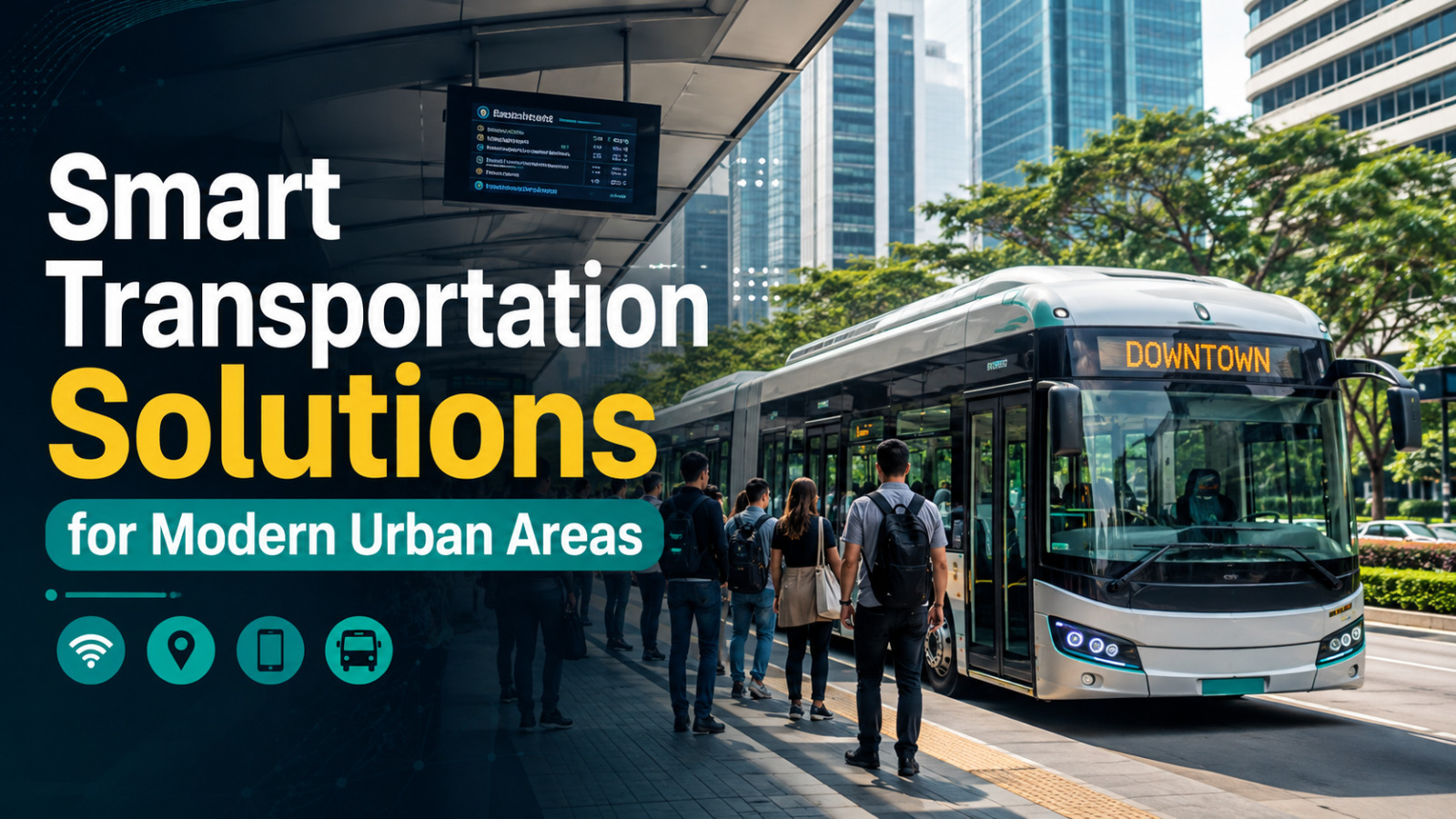
Modern cities face growing challenges as populations increase and daily travel becomes more complex. Traffic congestion, air pollution, limited parking, and inefficient transportation systems can reduce the quality of urban life. Smart transportation solutions offer practical ways to address these problems by combining technology, data, and better infrastructure. These solutions can help cities make transportation faster, safer, and more convenient for residents.
The development of smart transportation is closely connected to the growth of digital technology. Cities can use real-time information, intelligent traffic systems, digital payment platforms, and connected public transit services to improve mobility. With the right planning, modern transportation systems can support economic activity while creating a cleaner and more connected urban environment.
WHAT ARE SMART TRANSPORTATION SOLUTIONS?
Smart transportation solutions are systems that use technology, data, and communication networks to improve the way people and vehicles move around cities. These solutions can include intelligent traffic lights, real-time public transit information, electronic ticketing, smart parking systems, and traffic monitoring technologies. By collecting and analyzing transportation data, city authorities can better understand travel patterns and respond to changing conditions. This makes transportation planning more efficient and responsive to public needs.
One important feature of smart transportation is its ability to connect different services. Public buses, trains, traffic management systems, cycling infrastructure, and digital applications can work together as part of an integrated mobility network. This approach makes it easier for people to choose suitable transportation options based on their destination, schedule, and current traffic conditions. As a result, smart transportation can provide a more organized and convenient travel experience.
HOW TECHNOLOGY IMPROVES URBAN MOBILITY
Digital technology has changed the way people plan and experience their daily journeys. Real-time travel information allows passengers to check vehicle locations, estimated arrival times, delays, and alternative routes through mobile applications or digital displays. This information helps travelers make better decisions and reduces uncertainty while waiting for public transportation. Technology can also help transportation operators monitor vehicles and identify problems more quickly.
Artificial intelligence and data analytics can provide additional benefits for urban transportation. Traffic data can be analyzed to identify congestion patterns, allowing authorities to adjust traffic signals or transportation schedules when necessary. Sensors and connected devices can also provide information about road conditions, vehicle movement, and parking availability. These technologies help cities manage transportation based on actual conditions rather than relying only on fixed schedules or assumptions.
SMART PUBLIC TRANSPORTATION FOR BETTER SERVICES
Public transportation is an important part of smart urban mobility. Modern transit systems can use GPS tracking, automated fare collection, electronic ticketing, and real-time passenger information to improve service quality. Passengers can receive accurate updates about bus or train arrivals, route changes, and service disruptions. These features can make public transportation more predictable and easier to use.
Smart public transportation can also help operators improve efficiency. Data from vehicles and passengers can be used to understand which routes are busy and which services need adjustment. Better scheduling and route management can reduce unnecessary delays and improve the use of available vehicles. In the long term, these improvements can encourage more people to choose public transportation instead of private cars.
SMART TRAFFIC MANAGEMENT CAN REDUCE CONGESTION
Traffic congestion is one of the biggest problems in many growing cities. Smart traffic management systems can use cameras, sensors, GPS information, and traffic data to monitor road conditions. Traffic signals can be adjusted based on current traffic volumes instead of following completely fixed timing patterns. This can help improve traffic flow, particularly on roads with changing congestion levels throughout the day.
Smart systems can also support faster responses to traffic incidents. When an accident, road closure, or other disruption occurs, transportation authorities can identify the problem and provide information to drivers and passengers. Real-time traffic management can help redirect vehicles and reduce the impact of unexpected events. Although technology cannot eliminate congestion completely, it can make urban traffic management more efficient.
SMART PARKING AND CONNECTED ROAD SYSTEMS
Finding available parking can create unnecessary traffic, especially in busy commercial and business districts. Smart parking systems can use sensors and digital applications to show drivers where parking spaces are available. This can reduce the amount of time vehicles spend searching for parking. It may also help reduce unnecessary fuel consumption and improve the use of existing parking facilities.
Connected road systems provide another opportunity to improve urban mobility. Roads can communicate information about traffic conditions, construction, weather-related risks, or other potential hazards. Connected infrastructure can support better communication between transportation authorities, vehicles, and travelers. As these systems develop, cities can create transportation networks that respond more effectively to changing conditions.
BENEFITS OF SMART TRANSPORTATION FOR CITIES
Smart transportation can provide several benefits for residents and local governments. One major advantage is better mobility, because people can receive more accurate information and access different transportation options more easily. Efficient systems can also reduce travel delays and make daily commuting more predictable. These improvements can be particularly valuable in large cities where people spend significant amounts of time traveling.
Smart transportation can also support environmental sustainability and economic development. Better public transportation and traffic management can help reduce unnecessary vehicle use, fuel consumption, and emissions. Efficient mobility can make it easier for workers to reach workplaces and for customers to access businesses. A well-connected transportation system can therefore contribute to a more productive and attractive urban environment.
CHALLENGES IN IMPLEMENTING SMART TRANSPORTATION
Despite its potential, smart transportation requires careful planning and investment. Cities may need to upgrade transportation infrastructure, digital networks, sensors, and data management systems before new technologies can operate effectively. The cost of implementation can be significant, particularly for cities with limited budgets. Authorities also need skilled workers who can operate, maintain, and evaluate these systems.
Another important issue is data security and privacy. Smart transportation systems can collect large amounts of information about traffic and travel patterns. Cities must establish appropriate policies to protect sensitive information and prevent unauthorized access. Technology should also remain accessible to different groups of residents so that smart transportation does not create new inequalities in urban mobility.
THE FUTURE OF SMART URBAN TRANSPORTATION
The future of urban transportation is likely to become increasingly connected and data-driven. Electric buses, intelligent traffic systems, integrated mobility platforms, and connected vehicles are among the technologies that can shape future transportation networks. Cities may also provide more integrated services that allow residents to plan, pay for, and combine different transportation modes through digital platforms. This can make urban travel more seamless and flexible.
However, technology should not be treated as the only solution. Good urban planning, reliable infrastructure, affordable transportation, and public participation remain essential. Cities need to select technologies based on local transportation problems rather than adopting new systems simply because they are technologically advanced. A balanced approach can help ensure that smart transportation delivers meaningful benefits to residents.
CONCLUSION
Smart transportation solutions can play an important role in creating more efficient and sustainable modern urban areas. By combining digital technology, real-time data, intelligent infrastructure, and reliable public transportation, cities can improve mobility and respond more effectively to transportation challenges. Smart traffic management, digital payment systems, connected roads, and smart parking can make daily travel more convenient while supporting better resource management.
The success of smart transportation depends on more than advanced technology. Effective planning, accessibility, security, affordability, and long-term investment are equally important. When these elements work together, smart transportation can help cities become more connected, sustainable, and comfortable places to live.
Tentang Penulis
Gusti Ayu Tita P
Penulis — Universitas STEKOM
Penulis aktif yang berfokus pada isu-isu akademik, teknologi pendidikan, dan pengembangan sumber daya manusia di lingkungan kampus.