Smart Ways to Adapt to College Life for New Students in the First Semester
Gusti Ayu Tita P
7 Agustus 2026
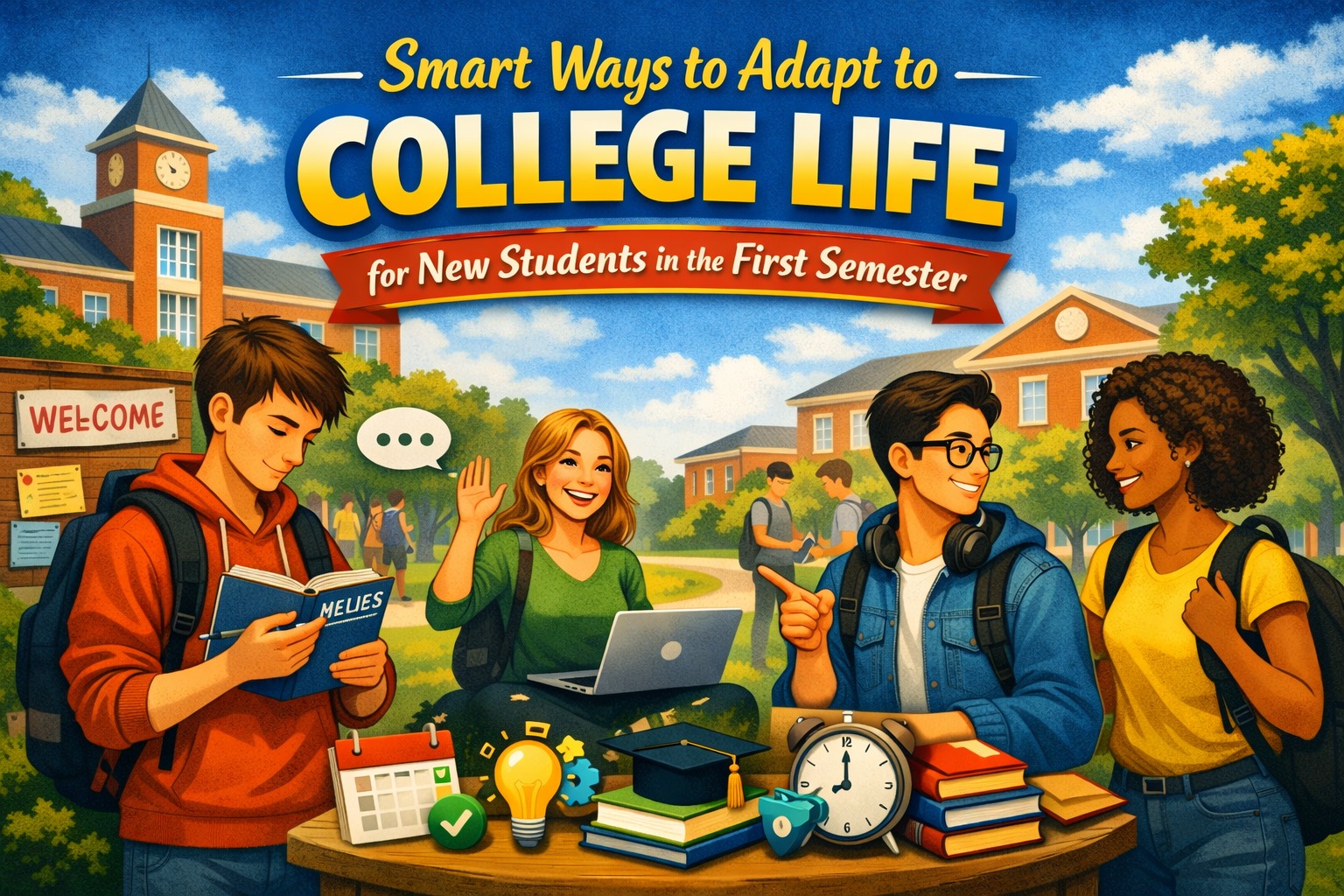
Entering college is an exciting milestone, but it can also feel overwhelming for many new students. The first semester often brings major changes, including a new learning environment, different academic expectations, and increased personal responsibility. Successfully adapting to college life is important because it can influence academic performance, personal growth, and overall well-being.
For freshmen, understanding how to adjust effectively can make the transition smoother and more enjoyable. By developing good habits early, students can build confidence, stay motivated, and create a strong foundation for future success.
UNDERSTAND THE DIFFERENCE BETWEEN HIGH SCHOOL AND COLLEGE
One of the first steps in adapting to college life is recognizing that college is very different from high school. Students are expected to take greater responsibility for their learning, attendance, and academic performance. Lecturers may provide guidance, but they generally expect students to study independently and manage their own schedules.
Because of this, self-discipline, personal responsibility, and independent learning become essential skills. Understanding these differences early can help students avoid unnecessary stress and prepare themselves for academic challenges during the first semester.
CREATE A REALISTIC STUDY SCHEDULE
Managing time effectively is one of the biggest challenges for new college students. Without proper planning, assignments, projects, and exams can quickly become overwhelming. Creating a realistic study schedule helps students stay organized and avoid last-minute pressure.
A good schedule should include time for classes, studying, rest, extracurricular activities, and personal commitments. Time management allows students to balance academic responsibilities while maintaining a healthy lifestyle. Consistency is often more effective than studying for long hours only before exams.
BUILD POSITIVE RELATIONSHIPS WITH CLASSMATES AND LECTURERS
College is not only about academics but also about building valuable relationships. Making friends in class can provide emotional support, study partners, and opportunities for collaboration. Students who actively engage with their peers often find it easier to adjust to a new environment.
At the same time, developing professional relationships with lecturers can be beneficial. Asking questions, participating in discussions, and seeking academic guidance demonstrate initiative and commitment. These connections can contribute to both academic success and future career opportunities.
GET INVOLVED IN CAMPUS ACTIVITIES
Participating in campus organizations, clubs, and events is an excellent way to expand social networks and gain new experiences. Extracurricular activities help students develop leadership, communication, and teamwork skills that may not always be learned in the classroom.
In addition, campus involvement can make students feel more connected to their university community. Being active outside class often improves confidence and creates a more enjoyable college experience during the first semester and beyond.
TAKE CARE OF YOUR PHYSICAL AND MENTAL HEALTH
Many new students focus heavily on academics and forget the importance of maintaining their health. Adequate sleep, balanced nutrition, and regular exercise contribute significantly to concentration, productivity, and emotional well-being.
Mental health is equally important. Students should not hesitate to seek support from friends, family, mentors, or campus counseling services when needed. Maintaining physical health and mental wellness helps students handle challenges more effectively and stay motivated throughout their studies.
DEVELOP GOOD FINANCIAL HABITS
For many students, college is the first experience managing personal finances independently. Learning how to budget and control expenses is an important life skill. Tracking spending habits can prevent unnecessary financial stress during the semester.
Students should prioritize essential expenses such as tuition, learning materials, transportation, and daily necessities. Developing financial management skills early can support long-term stability and help students make smarter financial decisions in the future.
STAY OPEN TO NEW EXPERIENCES AND CHALLENGES
The college environment introduces students to diverse people, ideas, and opportunities. Being open-minded allows students to learn from different perspectives and broaden their understanding of the world. New experiences often contribute to personal growth and self-discovery.
Challenges are also a natural part of the college journey. Instead of fearing mistakes, students should view them as learning opportunities. A positive mindset and willingness to adapt can help students become more resilient and successful in their academic and personal lives.
CONCLUSION
Adapting to college life during the first semester requires patience, effort, and a willingness to learn. By understanding academic expectations, managing time wisely, building relationships, participating in campus activities, maintaining health, and developing financial responsibility, students can navigate their transition more successfully.
The first semester is an opportunity to establish habits that will shape the entire college experience. Students who embrace change, stay organized, and remain proactive are more likely to achieve both academic excellence and personal development throughout their university journey.
Tentang Penulis
Gusti Ayu Tita P
Penulis — Universitas STEKOM
Penulis aktif yang berfokus pada isu-isu akademik, teknologi pendidikan, dan pengembangan sumber daya manusia di lingkungan kampus.