Smart Ways to Choose the Right Subsidized Home
Gusti Ayu Tita P
21 Agustus 2026
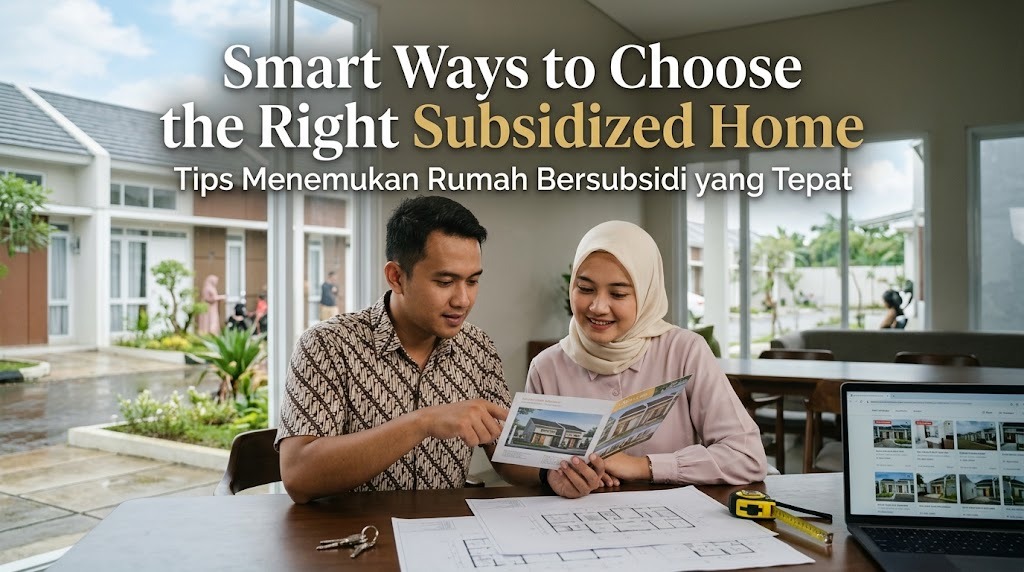
Choosing a subsidized home is an important decision, especially for first-time buyers. An affordable price can make homeownership feel more achievable, but the lowest price does not always mean the best choice. Buyers should consider financial capacity, location, property quality, and program requirements before making a commitment.
For eligible households, subsidized housing can provide a practical path toward owning a home. However, a home purchase involves long-term responsibilities that should be planned carefully. By taking the right steps, buyers can choose a property that provides comfort, affordability, and greater financial stability.
UNDERSTAND YOUR FINANCIAL CAPACITY
The first step is to understand how much you can realistically afford. Review your monthly income, regular expenses, existing debt, savings, and other financial responsibilities. This will help you determine whether a monthly home payment fits comfortably within your budget.
Do not focus only on the amount of the installment. Homeownership may also involve expenses for utilities, transportation, maintenance, furniture, and unexpected repairs. Keeping an emergency fund can help protect your finances after moving into your new home.
CHECK THE SUBSIDIZED HOUSING REQUIREMENTS
Subsidized housing programs are designed for buyers who meet specific eligibility requirements. In Indonesia, one available program is KPR Sejahtera FLPP, which supports eligible low-income communities in accessing home financing. Applicants generally need to meet requirements related to citizenship, income, previous housing assistance, and current homeownership status.
Requirements can change over time, so buyers should always verify the latest information before applying. Do not rely only on advertisements or outdated information from social media. Checking official requirements can help prevent problems during the application process.
CHOOSE A LOCATION THAT SUPPORTS DAILY LIFE
A low-priced home may not always be affordable in the long term if it is located far from important destinations. Long travel distances can increase transportation costs and reduce the time available for work, family, and rest. Therefore, location should be evaluated as carefully as the property's price.
Consider access to workplaces, schools, markets, healthcare facilities, public transportation, and major roads. Visit the neighborhood and observe its conditions before making a decision. A convenient location can make daily life easier and increase the practical value of the home.
INSPECT THE PROPERTY CAREFULLY
Never choose a home based only on online photographs or promotional materials. Visit the property and inspect important areas, including the roof, walls, floors, doors, windows, ventilation, plumbing, sanitation, and electrical systems. A careful inspection can help identify potential problems before the purchase is completed.
Also pay attention to the surrounding environment. Check road access, drainage, water availability, and signs of flooding or other environmental issues. A direct inspection provides a clearer picture of whether the home is suitable for long-term living.
COMPARE MORE THAN ONE PROPERTY
Avoid making a decision after viewing only one property. Comparing several subsidized homes can help you understand the differences in location, building quality, accessibility, facilities, and overall costs. A structured comparison makes it easier to identify which option best fits your needs.
Create a simple list of advantages and disadvantages for each property. Consider both your current situation and realistic future needs. Comparing total value instead of price alone can lead to a smarter homeownership decision.
CALCULATE THE TOTAL COST OF OWNERSHIP
The selling price is only one part of the total cost of owning a home. Buyers may also need to prepare for administrative expenses, utilities, transportation, maintenance, and household needs. These costs should be included when calculating affordability.
A home with a slightly higher price may sometimes be more practical if it offers better access to work or public facilities. Lower transportation and maintenance costs can make a significant difference over time. True affordability depends on the complete financial picture.
CONSIDER YOUR CURRENT AND FUTURE NEEDS
The right home should meet your needs today while remaining practical for the near future. Consider the number of people who will live in the home, the required number of rooms, available space, and daily activities. A property that is too small or poorly suited to your lifestyle may become inconvenient.
At the same time, avoid purchasing beyond your financial capacity simply because you expect your income to increase. Future plans should remain realistic and flexible. A manageable home can provide a stronger foundation than a larger property that creates financial pressure.
UNDERSTAND THE FINANCING TERMS
Before signing any agreement, take time to understand the financing structure. Review the interest rate, payment period, monthly installment, required documents, fees, and other obligations. Ask questions whenever a term or condition is unclear.
For subsidized housing, financing rules and benefits may differ depending on the applicable program and participating institution. Understanding every financial obligation can help buyers avoid surprises after the purchase. A well-informed decision is always safer than a rushed one.
EVALUATE THE SURROUNDING ENVIRONMENT
A comfortable home depends on more than the building itself. The surrounding environment can influence safety, convenience, and quality of life. Take time to observe the neighborhood and, if possible, speak with local residents.
Look at factors such as cleanliness, traffic, public facilities, security, and future development. A supportive neighborhood can make a simple home feel more comfortable and practical for the entire household.
AVOID RUSHING INTO A DECISION
Promotional offers can create pressure to make a quick decision. However, buying a home is a long-term commitment that deserves careful research. Take enough time to review documents, compare properties, and understand the financial consequences.
Do not buy a property simply because other people are doing the same. Your financial situation and housing needs may be different from theirs. A home should be chosen based on your own priorities and capabilities.
PLAN YOUR HOME BUDGET AFTER PURCHASE
Financial planning should continue even after the home has been purchased. Set aside money for monthly payments, utilities, maintenance, and other household needs. A clear budget can help prevent unnecessary financial stress.
Avoid buying all furniture and decorations immediately. Start with essential items and improve the home gradually as your finances allow. Controlled spending can make the early stages of homeownership more comfortable and sustainable.
MAKE COMFORT A PRIORITY
A subsidized home does not need to be luxurious to provide a pleasant living environment. Good organization, proper ventilation, natural lighting, cleanliness, and functional furniture can greatly improve comfort. Focus on practical improvements that fit your budget.
Use the available space efficiently and avoid filling rooms with unnecessary items. Small changes can create a more organized and welcoming atmosphere. Comfort often comes from thoughtful planning rather than expensive decoration.
CONCLUSION
Smart ways to choose the right subsidized home begin with careful planning and realistic expectations. Buyers should evaluate their financial capacity, understand eligibility requirements, inspect the property, compare different options, and consider the location carefully.
The right subsidized home is not simply the cheapest one available. It is a property that offers the best balance between affordability, comfort, location, quality, and long-term financial sustainability. With careful research and responsible planning, eligible buyers can make a confident decision and take an important step toward successful homeownership.
Tentang Penulis
Gusti Ayu Tita P
Penulis — Universitas STEKOM
Penulis aktif yang berfokus pada isu-isu akademik, teknologi pendidikan, dan pengembangan sumber daya manusia di lingkungan kampus.