Smart Ways to Manage Spending During Homecoming
Gusti Ayu Tita P
10 Agustus 2026
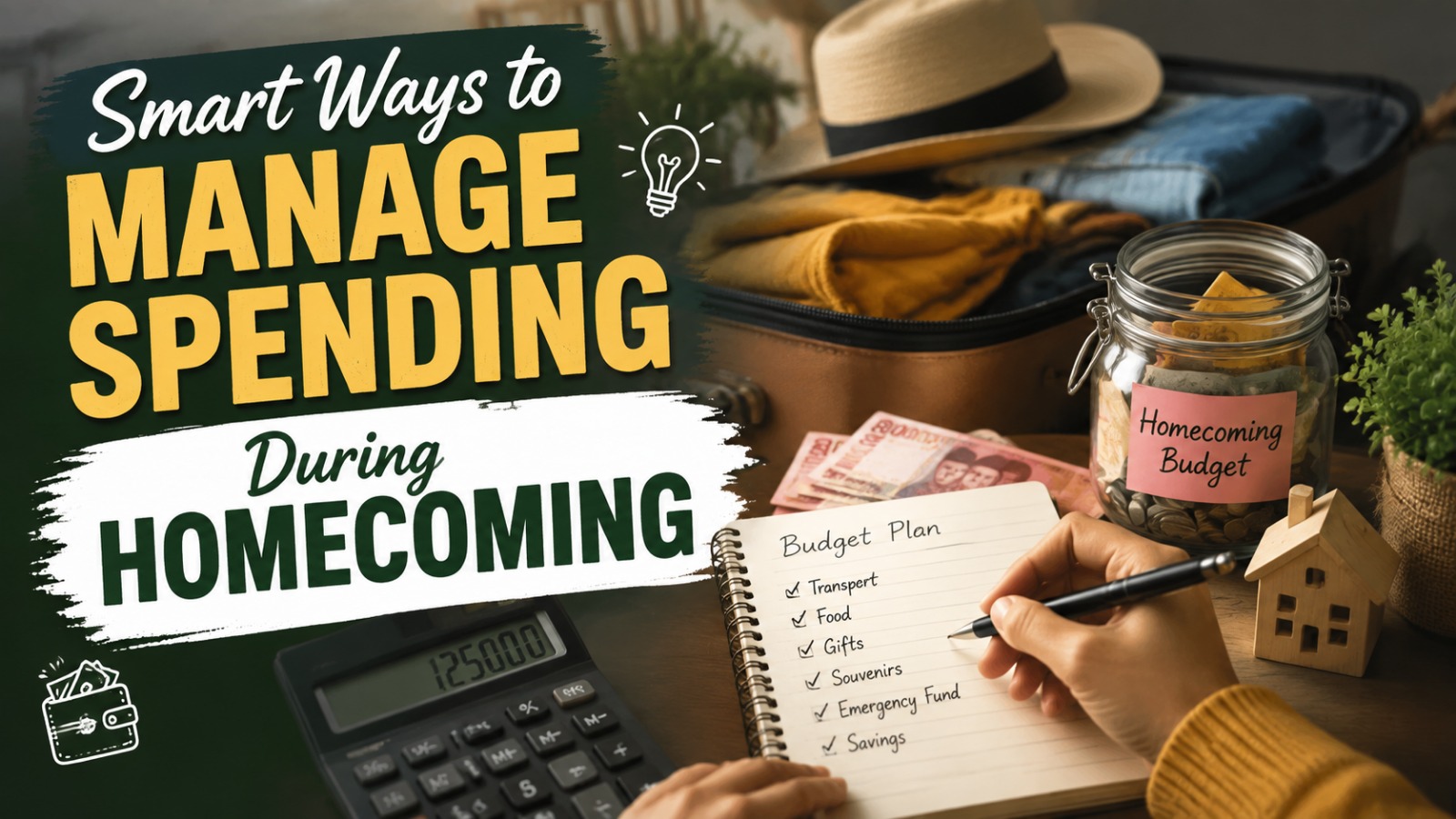
Homecoming is a special moment that allows people to return to their hometowns, meet family members, and enjoy meaningful celebrations together. However, travel costs, gifts, food expenses, and unexpected needs can make spending increase significantly. Without proper planning, many people may experience financial difficulties after the holiday period ends.
Managing money during homecoming does not mean reducing happiness or avoiding important moments. Instead, it requires smart budgeting, careful planning, and responsible spending habits. By understanding financial priorities and controlling unnecessary expenses, travelers can enjoy homecoming while maintaining better financial stability.
CREATE A HOMEcoming BUDGET PLAN
The first step to managing spending during homecoming is creating a clear budget plan. Before leaving, calculate expected expenses such as transportation costs, accommodation, meals, gifts, and family activities. Writing down these expenses helps travelers understand how much money they need and prevents uncontrolled spending.
A budget plan also allows people to separate essential expenses from optional ones. Prioritizing important needs before personal desires can help maintain financial balance throughout the holiday. A simple spending list can become a useful guide to avoid buying things that are not truly necessary.
PREPARE TRANSPORTATION COSTS CAREFULLY
Transportation is usually one of the largest expenses during homecoming. Ticket prices, fuel costs, toll fees, and parking expenses can increase during busy holiday seasons. Therefore, travelers should estimate transportation costs early and choose options that match their financial situation.
Booking transportation earlier can sometimes help reduce expenses. For people using private vehicles, checking fuel efficiency and vehicle conditions before departure can prevent additional costs. Choosing practical transportation options is an important part of smart financial planning.
AVOID IMPULSIVE SHOPPING
During homecoming, many people feel encouraged to buy various items because of holiday promotions or emotional moments. Although shopping can be enjoyable, uncontrolled purchases may affect the overall budget. Travelers should think carefully before spending money on items that are not included in their original plans.
Making a shopping list before traveling can help control unnecessary expenses. Distinguishing between needs and wants is a valuable financial habit. By avoiding impulsive shopping, people can use their money for more meaningful purposes, such as family activities or future savings.
MANAGE FOOD AND DAILY EXPENSES
Food expenses can become larger than expected during homecoming. Eating outside frequently, buying snacks, and visiting many places can quickly increase daily spending. Preparing a reasonable food budget can help travelers enjoy meals without creating financial pressure.
Whenever possible, travelers can balance eating outside with enjoying homemade meals with family. Simple choices can create significant savings without reducing the quality of the experience. Managing daily expenses wisely allows people to focus more on togetherness rather than worrying about money.
SET A LIMIT FOR GIFTS AND SOUVENIRS
Giving gifts and souvenirs is a common tradition during homecoming. Many people want to bring something special for family members, friends, or neighbors. However, gift expenses should still be adjusted according to personal financial conditions.
A thoughtful gift does not always have to be expensive. The meaning behind a gift is often more valuable than its price. Setting a specific limit for souvenirs can prevent excessive spending while still allowing people to share kindness and appreciation with others.
USE DIGITAL PAYMENT WISELY
Digital payment methods can make transactions easier during homecoming. Mobile banking, electronic wallets, and online payment systems provide convenience and help users monitor their spending. However, easy payment access can also encourage people to spend more than planned.
Travelers should regularly check their transaction history and maintain awareness of their remaining balance. Technology should be used as a financial control tool, not only as a payment method. Responsible use of digital payments can support better money management during holidays.
PREPARE AN EMERGENCY FUND
Unexpected situations may happen during homecoming, such as vehicle problems, additional transportation needs, or sudden family expenses. Having an emergency fund can help travelers handle these situations without disturbing their main budget.
The emergency fund does not need to be extremely large, but it should be prepared before the journey begins. Financial preparation creates a sense of security and reduces stress during unexpected events. This habit is useful not only during homecoming but also in everyday financial management.
CONTROL ENTERTAINMENT AND RECREATION COSTS
Homecoming often includes activities such as visiting tourist destinations, meeting friends, or attending special events. These activities can create memorable experiences, but they may also increase expenses if there is no spending limit.
Travelers should choose activities that provide value without harming their financial condition. Enjoying quality time does not always require expensive activities. Simple activities such as family gatherings, conversations, and sharing meals can create meaningful memories at a lower cost.
AVOID USING MONEY ONLY FOR SOCIAL PRESSURE
Sometimes people spend more money because they feel pressured to follow others. For example, they may buy expensive gifts, visit popular places, or spend beyond their ability to maintain a certain image. This habit can create financial problems after homecoming ends.
It is important to make financial decisions based on personal priorities rather than social expectations. Healthy financial choices should focus on personal needs and long term goals. Being responsible with money shows maturity and good planning.
REVIEW SPENDING AFTER HOMECOMING
After returning from homecoming, reviewing expenses can provide valuable lessons for future planning. Check whether the actual spending matched the original budget and identify areas where money was used effectively or unnecessarily.
This evaluation helps improve financial habits for future holidays or trips. Learning from past spending decisions can build stronger money management skills. A simple review process can make future homecoming experiences more organized and financially comfortable.
CONCLUSION
Managing spending during homecoming requires awareness, preparation, and responsible decisions. Creating a budget, controlling unnecessary purchases, preparing emergency funds, and choosing practical options can help people enjoy their journey without financial stress.
Homecoming is about creating memories and strengthening relationships, not about spending beyond limits. With smart financial habits, everyone can experience a comfortable holiday while maintaining better financial health. Balanced spending allows people to enjoy the present while preparing for future needs.
Tentang Penulis
Gusti Ayu Tita P
Penulis — Universitas STEKOM
Penulis aktif yang berfokus pada isu-isu akademik, teknologi pendidikan, dan pengembangan sumber daya manusia di lingkungan kampus.