Smartwatches As Smart Technology Supporting Better Health Management
Gusti Ayu Tita P
10 September 2026
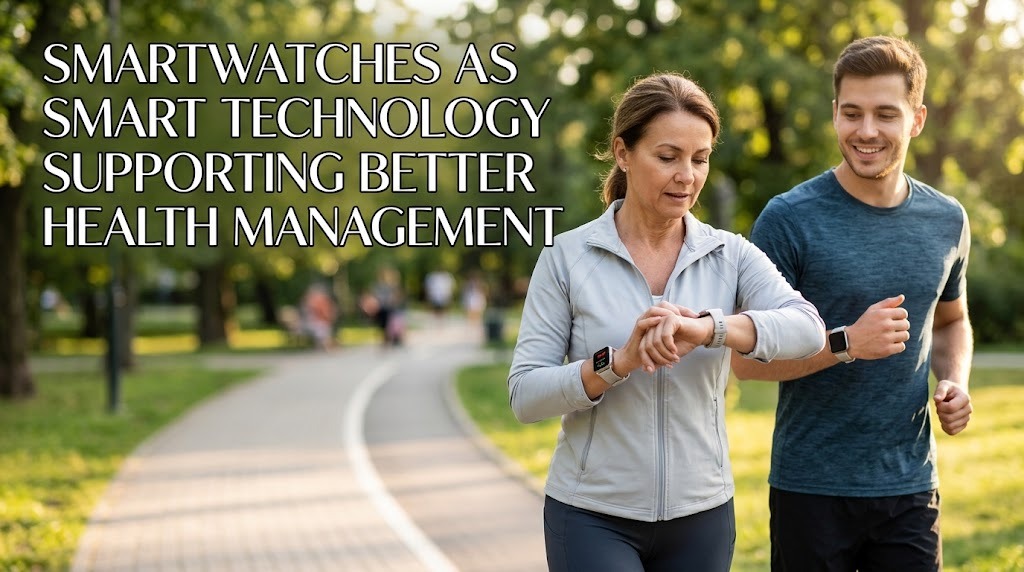
Smartwatches have become an important part of Smart Technology because they combine wearable convenience with health and fitness features. These devices use sensors and software to collect various types of information about daily activities. Depending on the model, a smartwatch may track movement, heart rate, sleep patterns, and exercise sessions. The collected information can help users become more aware of their everyday habits. This makes smartwatches useful for people who want simple tools to support their personal wellness routines.
The technology inside a smartwatch continues to develop as manufacturers improve sensors and software. Some devices can provide more advanced health-related features, although availability and accuracy differ between models. Users should understand what each feature actually measures before relying on its results. Smartwatches are mainly useful for general health awareness and lifestyle management. They should not be considered a replacement for professional medical examinations or diagnosis.
SUPPORTING DAILY HEALTH MONITORING
One of the main benefits of modern smartwatches is Health Monitoring. Depending on the device, users may be able to view heart rate measurements, activity levels, sleep information, or other wellness indicators. This information can help users notice changes in their daily patterns. For example, users can compare their activity levels across different days and identify periods when they move less. Such information may encourage people to make healthier choices.
Health data is most useful when viewed as part of a longer pattern rather than as a single measurement. Results can be affected by movement, device placement, skin contact, and other conditions. Users should therefore avoid making medical conclusions based only on smartwatch readings. If unusual symptoms or serious concerns appear, professional healthcare advice should be sought. Used responsibly, smartwatches can provide useful supporting information for personal health awareness.
ENCOURAGING PHYSICAL ACTIVITY
Smartwatches can encourage people to become more physically active through Fitness Tracking features. Many models can record steps, distance, active time, and workout sessions. Some devices also offer exercise modes for activities such as walking, running, cycling, or swimming. Seeing activity information throughout the day can motivate users to reach realistic movement goals. These features can make physical activity easier to monitor and organize.
Activity reminders can also help users avoid remaining inactive for too long. A smartwatch may remind someone to stand or move after a period of inactivity, depending on the device and settings. These small prompts can be useful for people who spend many hours studying or working at a desk. However, users should choose activity goals according to their own abilities and circumstances. Consistent and realistic movement is generally more useful than focusing excessively on daily numbers.
IMPROVING SLEEP AWARENESS
Sleep is another important part of health management, and many smartwatches now offer Sleep Monitoring features. These features may estimate sleep duration, bedtime, wake time, and different sleep stages on supported devices. Users can review this information to identify irregular sleeping patterns. Recognizing these patterns may encourage users to create more consistent sleep schedules. Better awareness can become a useful first step toward improving daily rest habits.
However, smartwatch sleep measurements are estimates and should not be treated as equivalent to professional sleep testing. A single night of unusual results does not automatically indicate a health problem. Users should focus more on repeated patterns and their overall well-being. Creating a regular bedtime routine and allowing enough time for sleep remain important. Smartwatches can support Sleep Awareness, but healthy sleep habits still depend on consistent behavior.
USING WELLNESS FEATURES RESPONSIBLY
Smartwatches provide many wellness features, but users should understand their limitations. Wellness Tracking can help people observe general patterns related to activity, rest, and exercise. It can also provide reminders that encourage users to take breaks or maintain daily routines. However, too much attention to numbers can sometimes make users unnecessarily worried about normal changes. A balanced approach is important when interpreting personal data.
Privacy is another consideration because health and activity information can be sensitive. Users should review the smartwatch's privacy settings and understand how information is stored or synchronized with connected applications. Choosing appropriate settings can help users maintain greater control over their personal data. It is also important to keep the device and its software updated when updates are available. Responsible use combines Health Awareness, Privacy Protection, and Healthy Habits.
BUILDING BETTER HEALTH ROUTINES
The greatest value of a smartwatch comes from using its information to support practical lifestyle changes. Users can use activity records to create realistic exercise goals, sleep information to improve bedtime routines, and reminders to take appropriate breaks. These small adjustments can gradually contribute to a more organized lifestyle. Smartwatches can also help users observe whether their routines are becoming more consistent over time. The technology becomes more meaningful when it encourages positive and sustainable habits.
Users should avoid treating smartwatch data as a competition or becoming overly dependent on daily scores. Rest, balanced nutrition, appropriate physical activity, and professional healthcare remain important parts of overall health. A smartwatch should function as a supporting tool rather than the sole source of health decisions. By combining technology with responsible habits, users can make better use of the information available to them. This approach allows smartwatches to support long-term health management in a practical way.
CONCLUSION
Smartwatches can support better Health Management by helping users monitor activity, sleep, exercise, and selected wellness information. Features such as Health Monitoring, Fitness Tracking, Sleep Monitoring, and Wellness Tracking can increase awareness of everyday habits. However, smartwatch measurements have limitations and should not replace professional medical advice. Users should also pay attention to privacy and avoid becoming overly dependent on digital health data. When used responsibly, Smart Technology can become a useful companion for building healthier and more organized daily routines.
Tentang Penulis
Gusti Ayu Tita P
Penulis — Universitas STEKOM
Penulis aktif yang berfokus pada isu-isu akademik, teknologi pendidikan, dan pengembangan sumber daya manusia di lingkungan kampus.