
Social Pressure and Its Impact on Self Confidence
Gusti Ayu Tita P
8 September 2026
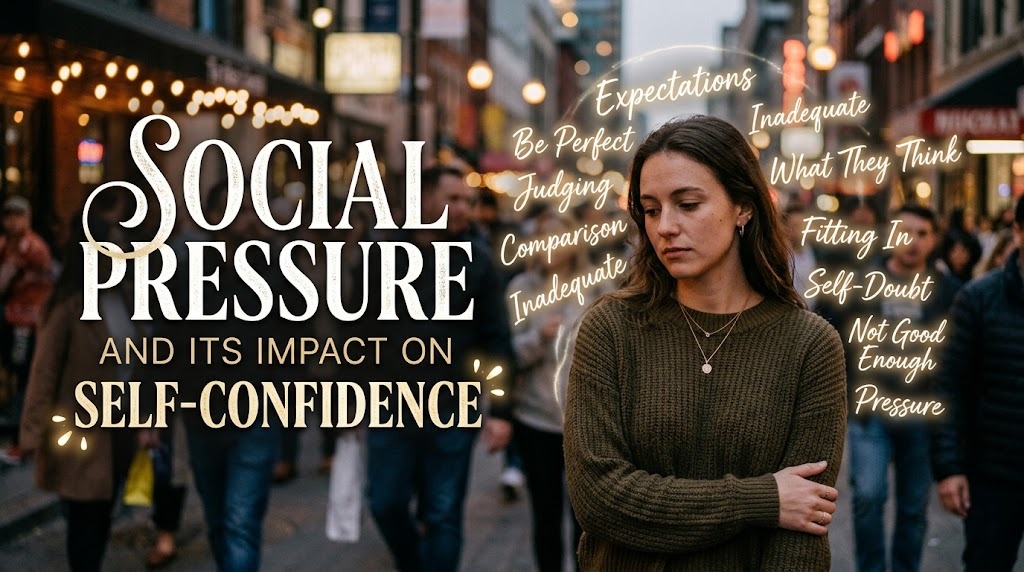
Social pressure is a common experience in everyday life. People may feel the need to behave, look, study, work, or make decisions according to expectations from family, friends, coworkers, or society. Some social influence can encourage positive behavior, but excessive pressure may affect how people see themselves. When approval from others becomes too important, self confidence can gradually become weaker.
Social pressure does not always appear through direct demands. It can develop through comparison, criticism, social media, group expectations, or fear of rejection. A person may begin to question their abilities simply because they do not meet a standard created by others. Understanding the connection between social pressure and self confidence can help people develop a healthier view of themselves.
HOW SOCIAL PRESSURE AFFECTS SELF CONFIDENCE?
Self confidence is influenced by how people evaluate their abilities and personal worth. When someone repeatedly receives negative judgments or feels compared with others, their self evaluation can become less positive. Constant criticism can make people focus more on their weaknesses than their strengths. This may cause them to doubt decisions that they previously felt comfortable making.
The effect can become stronger when social pressure continues over a long period. A person may start believing that acceptance depends on achievement, appearance, popularity, or conformity. Even when they accomplish something important, they may still feel that it is not enough. Confidence becomes difficult to maintain when personal value depends entirely on external approval.
COMPARISON CAN CREATE FEELINGS OF INADEQUACY
Comparison is one of the most common forms of social pressure. People may compare their grades, careers, appearance, relationships, income, or achievements with those of others. Seeing someone else's success can sometimes motivate improvement, but constant comparison can create feelings of inadequacy.
The problem is that comparisons rarely include the full context of another person's life. Different people have different opportunities, resources, abilities, responsibilities, and timelines. Someone who appears more successful may also be facing challenges that are not visible. Comparing personal reality with another person's visible achievements can produce an unfair judgment of oneself.
SOCIAL MEDIA CAN INCREASE SELF DOUBT
Social media allows people to see other people's achievements and lifestyles almost instantly. Carefully selected photos and videos can create the impression that everyone else is successful, attractive, productive, or happy. Repeated exposure to idealized content can make ordinary life seem inadequate by comparison.
Social media can also create pressure through likes, comments, followers, and online trends. Some users may begin to associate digital attention with personal value. When their content receives less attention, they may question their attractiveness or social importance. Online popularity should not be treated as a reliable measure of personal worth.
FEAR OF REJECTION CAN WEAKEN CONFIDENCE
People naturally want to feel accepted by others. However, fear of rejection can encourage someone to hide opinions, avoid disagreement, or change personal behavior. When people constantly adjust themselves to avoid rejection, they may become less confident in expressing who they really are.
This can happen in friendships, classrooms, workplaces, and family relationships. A person may agree with others even when they have a different opinion. Over time, repeatedly ignoring personal preferences can make independent decision-making more difficult. Healthy relationships should allow people to disagree without making them feel worthless or unwanted.
UNREALISTIC EXPECTATIONS CAN CREATE PRESSURE
Society often promotes certain ideas about success and appearance. People may feel expected to achieve specific educational results, obtain prestigious careers, maintain a certain appearance, or reach financial goals by a particular age. These expectations can become harmful when they are treated as universal requirements.
Everyone has different circumstances and priorities. A goal that is appropriate for one person may not be realistic or meaningful for another. Failing to meet a social expectation does not automatically mean someone lacks ability. Personal goals should consider individual strengths, needs, opportunities, and values.
CRITICISM CAN CHANGE HOW PEOPLE SEE THEMSELVES
Constructive criticism can help people identify areas for improvement. However, criticism that repeatedly attacks a person's character or creates shame can affect self confidence. There is an important difference between correcting a behavior and making someone believe they are fundamentally inadequate.
When receiving criticism, consider whether it is specific, reasonable, and useful. A helpful comment can be used as information for improvement. Unfair or insulting comments do not need to become part of a person's self image. Learning to separate useful feedback from harmful judgment can protect confidence.
LEARNING TO TRUST PERSONAL DECISIONS
Confidence grows when people learn to trust their ability to make decisions. This does not mean every decision will be correct. Instead, it means understanding that mistakes can be evaluated and used as opportunities to learn. Trusting personal judgment becomes easier when decisions are based on clear values and realistic information.
Before following an external expectation, pause and consider whether it matches personal goals. Ask whether the choice is being made because it is genuinely beneficial or simply because others expect it. Taking time to reflect can reduce automatic responses to social pressure.
SETTING HEALTHY PERSONAL BOUNDARIES
Personal boundaries can protect self confidence from excessive social pressure. They help people decide what they are comfortable accepting and what they need to refuse. Setting a boundary is not an act of selfishness; it is a way to communicate personal limits clearly.
Boundaries can involve time, privacy, communication, responsibilities, and personal choices. They should be communicated respectfully but firmly. If someone repeatedly ignores reasonable boundaries, reducing interaction may sometimes be necessary. Respectful relationships should make room for individual needs and differences.
BUILD CONFIDENCE THROUGH SMALL ACHIEVEMENTS
Self confidence does not need to come from major accomplishments. It can develop through small experiences of taking responsibility, solving problems, learning skills, and making independent decisions. Every completed challenge can provide evidence that a person is capable of handling difficult situations.
Instead of focusing only on what has not been achieved, recognize progress that has already been made. Keep track of skills learned and challenges overcome. This can create a more balanced view of personal abilities. Confidence becomes stronger when people recognize their own progress rather than constantly measuring themselves against others.
CHOOSE SUPPORTIVE RELATIONSHIPS
Relationships have a significant influence on self confidence. Supportive people can provide honest feedback while still respecting personal differences. A healthy relationship allows individuals to grow without demanding that they become someone else.
If certain relationships repeatedly involve humiliation, excessive criticism, manipulation, or pressure, their impact should be considered carefully. Creating boundaries or increasing distance may help protect emotional well-being. At the same time, staying connected with supportive people can provide encouragement during difficult periods. The right social environment can strengthen confidence rather than constantly testing it.
PRACTICE A HEALTHIER VIEW OF YOURSELF
Building confidence requires a balanced understanding of both strengths and weaknesses. Nobody performs well in every situation, and mistakes are part of learning. Accepting imperfections does not mean giving up on improvement. It means allowing growth to happen without constant self judgment.
Try to evaluate yourself based on realistic evidence rather than temporary opinions from other people. Recognize achievements while also acknowledging areas that need development. A healthier self image is built through self awareness, realistic expectations, and consistent personal growth.
CONCLUSION
Social pressure can have a significant impact on self confidence when people constantly compare themselves with others, seek approval, or feel required to meet unrealistic expectations. Family, friends, social media, and wider society can all influence how people evaluate their abilities and personal worth. If this influence becomes excessive, individuals may begin to doubt themselves and lose confidence in their own decisions.
Managing social pressure requires self awareness, critical thinking, healthy boundaries, and supportive relationships. People do not need to satisfy every expectation to prove their value. By recognizing personal strengths, accepting imperfections, and measuring progress through individual development, anyone can build stronger self confidence while remaining connected to others.
Tentang Penulis
Gusti Ayu Tita P
Penulis — Universitas STEKOM
Penulis aktif yang berfokus pada isu-isu akademik, teknologi pendidikan, dan pengembangan sumber daya manusia di lingkungan kampus.



