Social Pressure Commonly Experienced by Young People
Gusti Ayu Tita P
8 September 2026
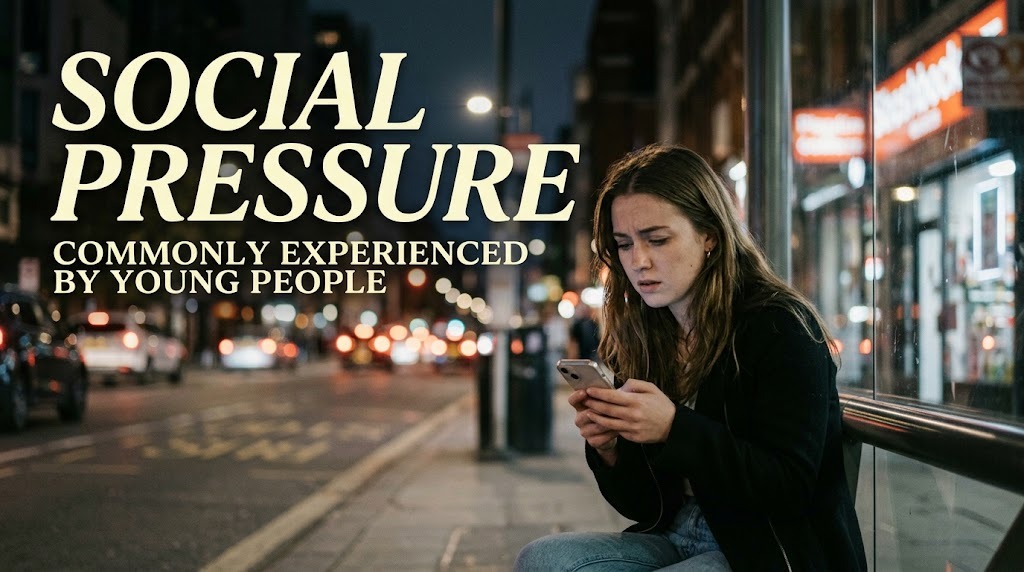
Social pressure is a common experience among young people as they develop their identity, build relationships, and make important decisions about their future. Friends, family, classmates, social media, and wider society can influence how young people think and behave. Some influence can encourage positive habits, but excessive pressure may cause stress and self doubt. Young people may feel that they need to meet certain expectations to be accepted or considered successful.
Social pressure can affect many parts of daily life, including appearance, education, friendships, career plans, relationships, and lifestyle. It does not always appear as a direct demand. Sometimes it develops through comparison, fear of rejection, criticism, or the desire to fit into a group. Recognizing these forms of pressure can help young people make healthier and more independent decisions.
PEER PRESSURE IN FRIENDSHIPS
Friendships are an important part of adolescence and early adulthood. Young people may feel pressure to dress a certain way, follow trends, attend particular activities, or behave like their friends. The desire to belong can make it difficult to express a different opinion or make an independent choice.
Peer influence is not always harmful. Friends can encourage positive habits, academic effort, teamwork, and personal development. The problem occurs when someone feels forced to do something against their values or comfort level. A healthy friendship allows individuals to participate while still having the freedom to say no.
PRESSURE TO LOOK A CERTAIN WAY
Appearance can become a major source of social pressure among young people. Standards about body shape, clothing, skin, hair, and overall appearance can be promoted by peers, celebrities, advertisements, and social media. Constant exposure to idealized appearances can make young people feel that they are not attractive or acceptable enough.
These standards do not represent the full diversity of real people. Everyone has different physical characteristics and circumstances. Focusing too heavily on external approval can weaken self confidence. A healthier approach is to care for personal appearance without making it the main measure of self worth.
ACADEMIC AND EDUCATIONAL PRESSURE
Young people often face expectations to achieve high grades or enter certain schools and universities. Parents, teachers, and peers may unintentionally increase this pressure. Academic achievement can be valuable, but it should not become the only measure of a student's ability or future potential.
Students have different learning styles, strengths, resources, and challenges. Comparing grades without considering these differences can create unnecessary stress. Setting realistic goals and focusing on improvement can provide a healthier approach to education. Learning should involve development rather than constant competition.
PRESSURE ABOUT FUTURE CAREERS
Young people are often expected to have a clear career plan at an early age. They may hear that certain professions are more prestigious, stable, or financially successful than others. These expectations can make young people question their interests when their goals differ from popular career choices.
Career decisions should consider interests, abilities, opportunities, financial realities, and long-term goals. It is also normal for career interests to change as people gain experience. Young people do not need to have their entire future perfectly planned before taking their next step.
SOCIAL MEDIA AND ONLINE COMPARISON
Social media has made social comparison more frequent. Young people can easily see other people's achievements, relationships, appearances, purchases, and lifestyles. Comparing personal life with carefully selected online content can create unrealistic expectations.
Online profiles usually show only part of someone's experience. Difficult moments may not be shared, while achievements receive more attention. Young people who remember this difference can develop a more realistic view of online content. Social media should provide information and connection rather than become a constant measure of personal success.
FEAR OF BEING LEFT OUT
Fear of missing out, often called FOMO, can create pressure to participate in activities simply because others are doing them. Young people may worry about being excluded from social events, conversations, trends, or online communities. This can lead them to spend time or money on things they do not genuinely want.
It is normal to want social connection, but participation should not become a requirement for belonging. People can maintain friendships even when they occasionally choose different activities. Learning to accept that it is impossible to participate in everything can reduce unnecessary pressure.
PRESSURE TO FOLLOW POPULAR TRENDS
Trends can influence clothing, entertainment, technology, language, hobbies, and lifestyle choices. Young people may feel that they need to follow popular trends to remain relevant among their peers. Following trends can be enjoyable, but it becomes problematic when people feel unable to choose differently.
Personal preferences do not need to match every popular movement. Young people can enjoy trends that genuinely interest them while ignoring those that do not. Individuality becomes easier to maintain when choices are based on personal preference rather than fear of judgment.
PRESSURE TO HAVE RELATIONSHIPS
Young people may also experience expectations about dating, friendship, marriage, or social status. Seeing peers enter relationships can create the impression that being single means something is wrong. Relationship decisions should be based on readiness, personal values, and mutual respect rather than social competition.
Every person develops relationships at a different pace. There is no universal timeline that everyone must follow. Young people should have space to focus on education, friendships, personal development, or other priorities. Being on a different relationship timeline does not reduce someone's value.
FINANCIAL AND LIFESTYLE PRESSURE
Young people can experience pressure to own certain products, wear particular brands, travel, or maintain a specific lifestyle. Social media can make expensive lifestyles appear common or necessary. Trying to keep up with others can create financial stress when spending exceeds personal resources.
Financial decisions should be based on actual needs and available resources. It is reasonable to choose affordable alternatives or decline activities that do not fit a budget. Personal financial stability is more important than maintaining an appearance of success.
FEAR OF JUDGMENT
Fear of criticism can affect the decisions young people make. They may avoid expressing opinions, trying new activities, or choosing unusual paths because they are worried about what others will say. When fear of judgment becomes too strong, it can limit exploration and personal growth.
Not every opinion deserves equal importance. Constructive feedback can help someone improve, while unfair criticism can be recognized without being accepted as truth. Learning to separate useful feedback from unnecessary judgment can strengthen confidence.
HOW YOUNG PEOPLE CAN HANDLE SOCIAL PRESSURE?
The first step is to recognize situations that create pressure. Young people can ask themselves whether a decision reflects personal values or simply a desire for approval. This simple reflection can create distance between external expectations and personal choices.
It is also important to develop communication and boundary-setting skills. Saying no respectfully, limiting unhealthy comparisons, and spending time with supportive people can reduce social pressure. If pressure becomes overwhelming, talking with a trusted adult, teacher, mentor, counselor, or another supportive person can provide useful guidance. Seeking support is a practical way to handle difficult social situations.
BUILDING A STRONGER SENSE OF IDENTITY
Young people are still developing their understanding of who they are and what they value. Exploring different interests, experiences, and goals can help them develop a stronger identity. Personal identity becomes stronger when choices are based on reflection rather than constant pressure to conform.
Mistakes are also part of this process. Trying something that does not work does not mean personal development has failed. It provides information about preferences, abilities, and future choices. Growth involves learning what fits you, not simply becoming what others expect.
CONCLUSION
Social pressure commonly experienced by young people can involve friendships, appearance, education, career choices, social media, relationships, finances, and popular trends. These influences are not always negative, but they can become harmful when young people feel they must sacrifice personal values or well-being to gain acceptance. Understanding the source of pressure is the first step toward managing it.
Young people can develop healthier responses through self awareness, critical thinking, communication, personal boundaries, and supportive relationships. They do not need to follow every trend or meet every social expectation to have value. Building confidence in personal choices allows young people to grow while maintaining healthy connections with the people around them.
Tentang Penulis
Gusti Ayu Tita P
Penulis — Universitas STEKOM
Penulis aktif yang berfokus pada isu-isu akademik, teknologi pendidikan, dan pengembangan sumber daya manusia di lingkungan kampus.