Strategies For Managing Expenses When Fuel Prices Increase
Gusti Ayu Tita P
10 Agustus 2026
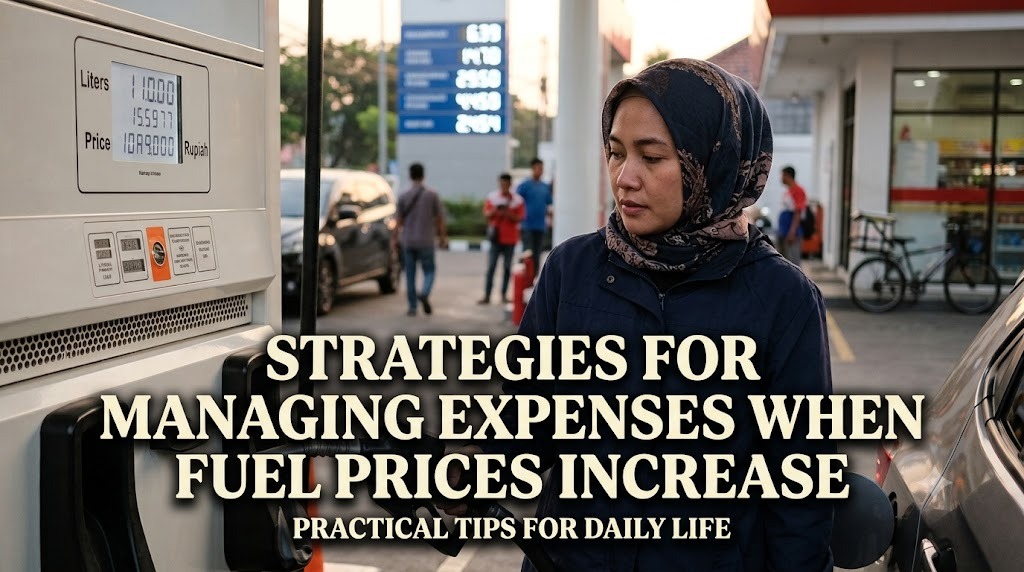
Fuel is an important part of daily transportation, so an increase in fuel prices can affect household finances and business expenses. People who regularly use cars or motorcycles may need to spend more money to travel to work, school, shop, or complete other activities. If these additional costs are not managed carefully, they can reduce the amount of money available for other needs. Therefore, having effective expense management strategies is important when fuel prices increase.
Managing expenses does not always mean making major lifestyle changes. Small adjustments in driving habits, transportation choices, and household budgeting can make a meaningful difference. By identifying unnecessary expenses and using fuel more efficiently, people can reduce financial pressure while continuing their daily activities.
REVIEW YOUR MONTHLY BUDGET
The first step in managing expenses when fuel prices increase is reviewing your monthly budget. Start by calculating how much money is currently spent on fuel and transportation. Compare this amount with previous months to understand how much the increase is affecting your finances. This information can help you determine whether other expenses need to be adjusted.
Separate essential expenses from nonessential spending. Food, housing, education, healthcare, and transportation may receive higher priority than entertainment or unnecessary purchases. A clear budget makes it easier to identify areas where spending can be reduced without affecting important needs.
REDUCE UNNECESSARY TRIPS
Reducing unnecessary trips is one of the simplest ways to lower fuel expenses. Before using a vehicle, consider whether the trip is necessary or can be combined with another activity. Combining several errands into one journey can reduce the total distance traveled.
Planning routes in advance can also help save fuel and time. Choosing roads with fewer unnecessary stops may reduce fuel consumption, although traffic conditions should always be considered. Better trip planning can help households control transportation expenses without completely changing their daily routines.
IMPROVE DRIVING HABITS
Driving behavior has a direct effect on fuel consumption. Sudden acceleration, frequent hard braking, and unnecessarily high speeds can cause a vehicle to use more fuel. Driving smoothly and maintaining a steady speed can help improve fuel efficiency.
Avoiding unnecessary idling is another useful strategy. Leaving an engine running while waiting for a long period consumes fuel without moving the vehicle. Drivers should also follow the vehicle manufacturer's recommendations for maintenance because a properly maintained vehicle generally operates more efficiently.
USE PUBLIC TRANSPORTATION AND CARPOOLING
Public transportation can be a practical alternative when fuel prices become expensive. Buses, trains, and other shared transportation services can reduce the amount of fuel an individual needs to purchase. The financial benefit depends on transportation fares, travel distance, availability, and personal circumstances.
Carpooling is another option for people who travel along similar routes. Sharing a vehicle allows several people to divide transportation costs instead of paying separately. This approach can also reduce the number of vehicles on the road and may help lower traffic congestion.
MAINTAIN YOUR VEHICLE REGULARLY
Regular vehicle maintenance can help prevent unnecessary fuel consumption. Drivers should check tire pressure, engine oil, air filters, and other important components according to the manufacturer's recommendations. Underinflated tires and certain mechanical problems can increase the effort required to move a vehicle.
A well-maintained vehicle can also provide more reliable performance and reduce the risk of expensive repairs. Drivers should not ignore warning lights, unusual sounds, or significant changes in vehicle performance. Spending money on preventive maintenance can sometimes help avoid larger vehicle expenses in the future.
CONTROL OTHER DAILY EXPENSES
When fuel costs rise, reviewing other spending categories can help balance the household budget. People can reduce unnecessary purchases, limit impulse shopping, or choose more affordable alternatives. The goal is not to eliminate all enjoyable activities but to prioritize spending according to financial needs.
Small savings from several categories can compensate for part of the additional fuel expense. For example, preparing meals at home, comparing prices, or reducing unused subscriptions can create extra room in the budget. Careful financial planning helps households adapt without making sudden and extreme changes.
CONSIDER FUEL EFFICIENT VEHICLES
For people who are planning to replace their vehicle, fuel efficiency can be an important consideration. A vehicle that uses less fuel for the same distance may reduce long-term transportation costs. However, buyers should consider the total cost of ownership rather than looking only at fuel consumption.
Purchase price, maintenance, insurance, taxes, reliability, and expected usage should also be considered. For some drivers, a smaller or more efficient vehicle may be practical, while others may benefit from a hybrid or electric vehicle depending on availability and charging infrastructure. Choosing the right vehicle requires comparing personal needs with long-term costs.
PLAN FOR FUTURE FUEL PRICE CHANGES
Fuel prices can change over time because of factors such as global oil markets, taxes, exchange rates, supply conditions, and government policies. Because prices are not always predictable, households can prepare by creating a flexible transportation budget. Setting aside some money for unexpected increases can make financial planning more stable.
People can also track their average monthly fuel consumption. Knowing how much fuel is normally used makes it easier to estimate future expenses. A flexible fuel budget allows households to respond more calmly when prices change instead of making rushed financial decisions.
USE TECHNOLOGY TO TRACK EXPENSES
Technology can make expense management easier. Budgeting applications, spreadsheets, or simple mobile notes can be used to record fuel purchases and other transportation costs. Regular tracking helps identify spending patterns that may otherwise go unnoticed.
Drivers can also use navigation applications to plan routes and identify traffic conditions. Better route planning can reduce unnecessary travel and save both time and fuel. Using technology as a budgeting and planning tool can support more effective expense management.
CONCLUSION
Managing expenses when fuel prices increase requires a combination of budget planning, efficient driving, vehicle maintenance, and smart transportation choices. Reviewing monthly spending can help identify unnecessary costs, while reducing unnecessary trips and improving driving habits can lower fuel consumption.
Public transportation and carpooling can provide alternatives to private vehicle use, while regular maintenance helps keep vehicles efficient. People can also prepare for future price changes by tracking fuel consumption and creating a flexible budget. With consistent financial planning and practical daily habits, households can manage higher fuel costs without significantly reducing their essential activities.
Tentang Penulis
Gusti Ayu Tita P
Penulis — Universitas STEKOM
Penulis aktif yang berfokus pada isu-isu akademik, teknologi pendidikan, dan pengembangan sumber daya manusia di lingkungan kampus.