Strategies For Preparing Accurate Financial Reports
Gusti Ayu Tita P
14 Oktober 2026
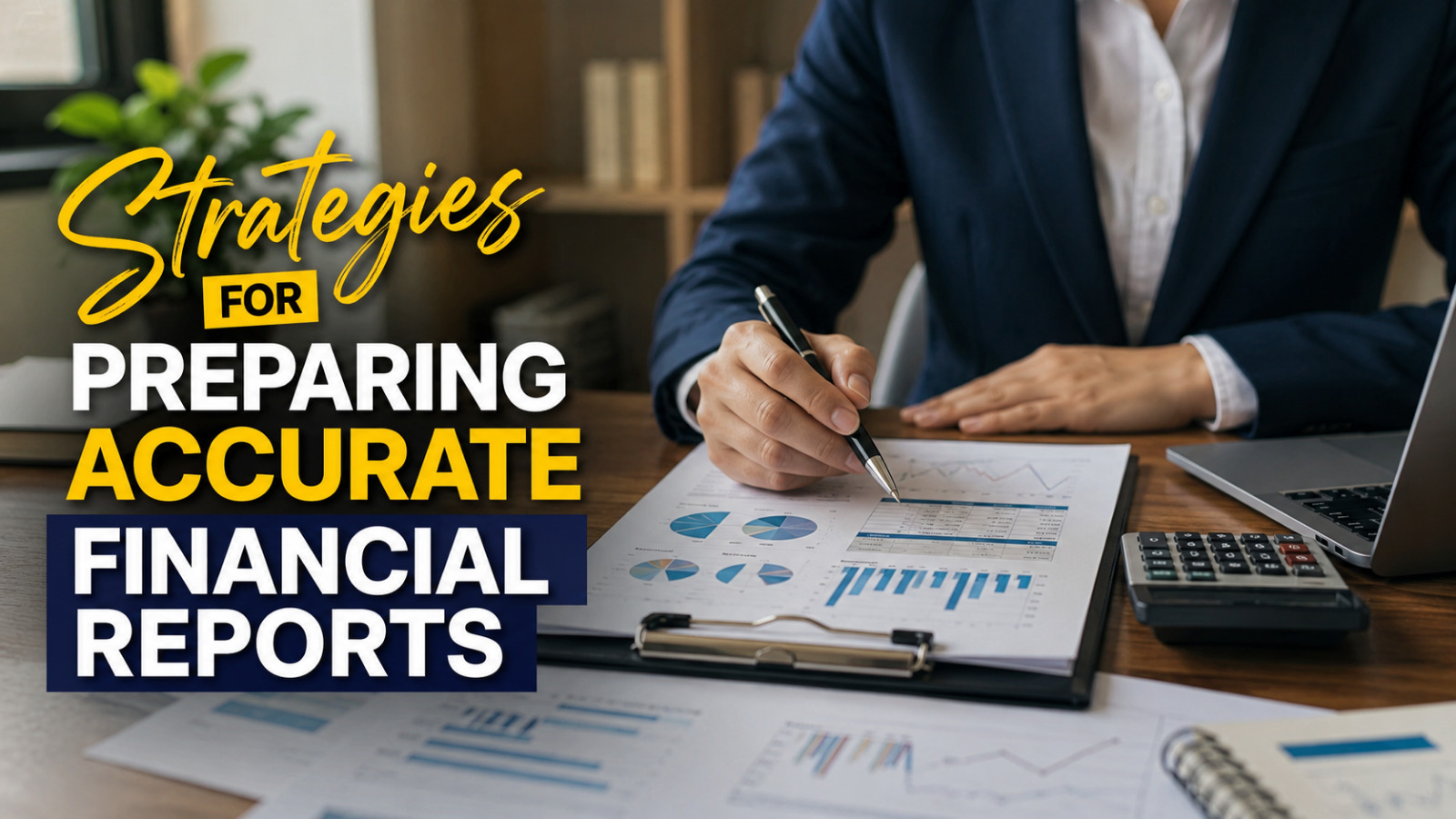
Strategies For Preparing Accurate Financial Reports are essential for every business, regardless of its size or industry. Accurate financial reports help business owners understand their financial position, make informed decisions, comply with regulations, and build trust with investors, creditors, and stakeholders. Without reliable financial data, companies may struggle to manage cash flow, identify risks, or plan future growth.
Preparing accurate financial reports requires more than simply recording income and expenses. It involves maintaining organized records, applying consistent accounting principles, verifying financial transactions, and reviewing reports before publication. By following proven strategies, businesses can improve the quality of their Financial Reports and support long-term success.
MAINTAIN COMPLETE AND ORGANIZED ACCOUNTING RECORDS
The first step in producing accurate Financial Reports is maintaining complete and organized Accounting Records. Every financial transaction should be documented immediately, including invoices, receipts, payroll records, purchase orders, and bank statements. Proper documentation minimizes the risk of missing information and supports accurate reporting.
Organized records also simplify the preparation of Financial Statements at the end of each accounting period. Businesses should classify transactions correctly and store financial documents securely, whether using digital accounting software or well-organized physical files. Good record management saves time and reduces errors during financial reporting.
APPLY CONSISTENT ACCOUNTING PRINCIPLES
Consistency is a key factor in achieving Financial Accuracy. Businesses should use the same accounting methods and policies from one reporting period to another. Consistent practices make financial data easier to compare and help stakeholders evaluate business performance over time.
Applying standardized accounting principles also reduces confusion and prevents reporting inconsistencies. Employees responsible for bookkeeping should understand company policies and follow established procedures when recording transactions. Consistency strengthens the credibility of financial information.
VERIFY ALL FINANCIAL TRANSACTIONS
Every financial transaction should be verified before being included in Financial Statements. Comparing accounting records with bank statements, invoices, and payment receipts helps identify discrepancies early. Regular reconciliation ensures that reported balances accurately reflect actual financial activity.
Verification also prevents duplicate entries, missing transactions, and calculation mistakes. Businesses should perform routine checks throughout the accounting period rather than waiting until the end of the year. Early detection allows errors to be corrected before reports are finalized.
UTILIZE RELIABLE ACCOUNTING SOFTWARE
Modern accounting software significantly improves the efficiency and accuracy of Financial Management. Automated systems calculate totals, generate reports, track expenses, and reduce manual data entry errors. Many platforms also provide real-time financial insights that support better decision-making.
Reliable software can integrate with banking systems, inventory management, and payroll applications, ensuring consistent financial information across different business functions. However, businesses should still review automatically generated reports to confirm that all data has been recorded correctly.
IMPLEMENT INTERNAL CONTROLS
Strong internal controls protect financial information from fraud and unintentional errors. Responsibilities should be divided among employees so that no single individual has complete control over every financial process. This separation of duties increases accountability and reduces financial risks.
Regular approval procedures, transaction reviews, and document verification also strengthen financial reporting. Businesses should establish clear financial policies and ensure employees understand their responsibilities. Effective internal controls improve both Financial Accuracy and organizational transparency.
REVIEW AND AUDIT FINANCIAL REPORTS REGULARLY
Before publishing Financial Reports, businesses should conduct detailed reviews to identify errors or inconsistencies. Reviewing calculations, verifying supporting documents, and checking account balances improve report quality. Even small mistakes can affect important business decisions.
Periodic internal or external audits provide additional assurance that financial information is reliable. Audits help identify weaknesses in accounting processes and recommend improvements for future reporting. Continuous evaluation supports long-term financial integrity.
TRAIN ACCOUNTING PERSONNEL
Well-trained accounting staff contribute directly to accurate Financial Management. Employees should receive regular training on accounting standards, financial regulations, reporting procedures, and new accounting technologies. Ongoing education helps staff stay current with industry best practices.
Knowledgeable personnel are better equipped to detect unusual transactions, resolve accounting issues, and maintain high-quality Accounting Records. Investing in employee development ultimately improves the accuracy and reliability of financial reporting.
CONCLUSION
Preparing accurate Financial Reports requires careful planning, organized Accounting Records, consistent accounting practices, reliable technology, and regular verification. Businesses that prioritize Financial Accuracy are better positioned to make informed decisions, comply with financial regulations, and strengthen stakeholder confidence.
By implementing these strategies consistently, organizations can improve the quality of their Financial Statements, enhance overall Financial Management, and create a solid foundation for sustainable business growth. Accurate financial reporting is not only a compliance requirement but also a valuable tool for long-term success.
Tentang Penulis
Gusti Ayu Tita P
Penulis — Universitas STEKOM
Penulis aktif yang berfokus pada isu-isu akademik, teknologi pendidikan, dan pengembangan sumber daya manusia di lingkungan kampus.