
Student Consumer Culture and the Pursuit of Social Recognition
Gusti Ayu Tita P
2 Maret 2026
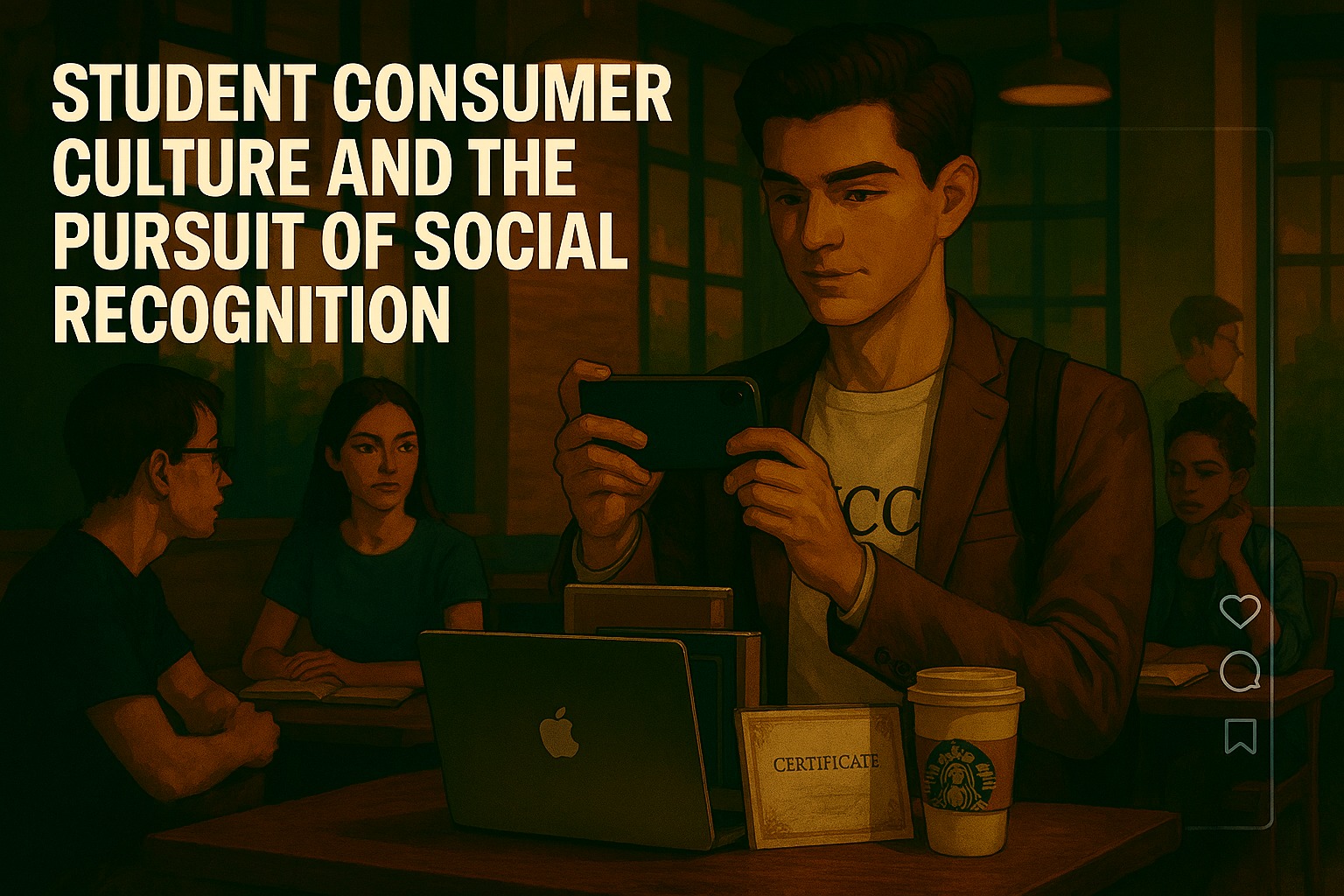
Student life is not only about academic activities, friendships, and personal development. It is also influenced by the way students consume products, follow trends, and present themselves to others. Student consumer culture can be seen through clothing choices, smartphones, laptops, food preferences, entertainment, and lifestyle trends. For some students, these choices are not only about personal needs but also about gaining social recognition. Understanding this phenomenon is important because consumer behavior can influence confidence, relationships, financial decisions, and the overall campus environment.
UNDERSTANDING STUDENT CONSUMER CULTURE
Student consumer culture refers to the habits and attitudes students develop when choosing and using products or services. These choices can be influenced by personal preferences, financial conditions, advertising, social media, and friendships. Some students purchase products because they are useful, while others may also consider how those products affect their social image. Consumption can therefore become part of personal identity. What students own or use may sometimes communicate something about their interests, lifestyle, or social position.
Consumer culture is not always negative. Buying a laptop for academic work, appropriate clothing for activities, or transportation for daily needs can provide practical benefits. Problems may arise when social approval becomes more important than actual needs. Students may begin purchasing products simply because they are popular among their peers. This can encourage unnecessary spending and create pressure to maintain a particular lifestyle.
THE ROLE OF SOCIAL RECOGNITION
Social recognition is the feeling of being noticed, respected, accepted, or appreciated by others. Students naturally want to feel that they belong to their social environment. This desire can influence the way they dress, communicate, choose products, and participate in social activities. Recognition can provide confidence and a sense of belonging when it comes from healthy relationships. However, depending too heavily on external approval can create emotional and financial pressure.
Some students may believe that certain brands, devices, or lifestyles can increase their popularity. This perception can make material possessions appear more important than personal qualities. In reality, social respect can also be built through kindness, reliability, creativity, achievement, and contribution. Students who understand this distinction are less likely to measure their worth through possessions. Healthy recognition should come from meaningful interactions rather than constant competition.
SOCIAL MEDIA AND CONSUMER BEHAVIOR
Social media has become an important factor in shaping student consumption. Platforms allow students to see products, trends, lifestyles, and experiences shared by their peers and public figures. Repeated exposure to attractive content can make certain products appear necessary or desirable. Digital trends can influence purchasing decisions, especially when products are presented as symbols of popularity or success. Students may also compare their lives with carefully selected images presented online.
Influencers and online advertising can further strengthen these effects. Promotional content may create a sense of urgency through limited offers, trends, or claims about popularity. Students should therefore learn to distinguish between real needs and persuasive marketing messages. Checking product quality, comparing prices, and considering personal priorities can support better decisions. Responsible digital habits can reduce unnecessary consumer pressure.
PEER INFLUENCE AND THE NEED TO BELONG
Friends and classmates can have a strong influence on student purchasing behavior. Students may become interested in products because many people in their social group use them. Sometimes, the desire to fit in can be stronger than the actual usefulness of the product. Peer influence can shape both preferences and spending habits. This does not mean every student is easily influenced, but social environments can affect decisions in subtle ways.
Positive peer influence can encourage students to discover useful products, participate in activities, or develop new interests. Negative influence can occur when students feel that they must own certain items to be accepted. A healthy friendship should not require someone to match another person's financial situation. Belonging should be based on mutual respect rather than material possessions. Students should feel comfortable making choices that fit their own needs and circumstances.
CONSUMERISM AND FINANCIAL PRESSURE
Student consumer culture can become challenging when spending habits are not controlled. Students may have limited income but still feel pressure to follow expensive trends. Frequent purchases of fashionable products, upgraded devices, or lifestyle experiences can create financial difficulties. Unplanned consumption can interfere with financial stability. This is especially important for students who depend on allowances, scholarships, part-time work, or limited personal income.
Developing financial awareness can help students make more responsible decisions. Before purchasing something, students can ask whether it is necessary, affordable, durable, and useful. Creating a simple budget can also help separate essential expenses from entertainment or lifestyle spending. Financial discipline does not mean avoiding all enjoyable purchases. It means making decisions that support both present needs and future goals.
BRANDS AS SYMBOLS OF IDENTITY
Brands can become meaningful symbols in student culture. Certain brands may be associated with particular lifestyles, communities, or social groups. Students may choose them because they like the design and quality, but social meaning can also influence their preferences. Brand choices can become part of personal identity. This is especially visible when students use products that are easily recognized by others.
However, brand recognition does not determine a person's value. A less expensive product can perform the same function or even provide better value for a specific user. Students should consider quality, usefulness, durability, and affordability instead of focusing only on social prestige. Personal identity can be expressed through interests, values, and achievements as well. This creates a broader understanding of who a student is beyond consumer choices.
THE IMPACT ON CAMPUS SOCIAL RELATIONSHIPS
Consumer differences can affect relationships between students. When some students have access to more expensive products or experiences, others may feel excluded from certain social activities. This can create invisible social divisions based on economic differences. Material inequality can influence feelings of belonging even when students do not openly discuss money. A supportive campus environment should recognize these differences without turning them into social hierarchies.
Students can help create healthier relationships by avoiding judgment based on appearance or possessions. Group activities can also be designed so that participation does not require high spending. Inclusive social activities allow students from different financial backgrounds to interact comfortably. This can strengthen friendships based on shared interests and experiences rather than consumption. Respect is more valuable for long-term relationships than material status.
BUILDING SELF WORTH BEYOND CONSUMPTION
One of the most effective ways to reduce unhealthy consumer pressure is to develop a strong sense of self worth. Students can build confidence through learning, creativity, physical activities, volunteering, leadership, and personal achievements. Self worth should not depend entirely on what a person owns. When students recognize their own strengths, they are less likely to seek constant validation through products.
Personal growth also provides a more sustainable form of recognition. Developing useful skills, helping others, completing challenging projects, and maintaining healthy relationships can create genuine satisfaction. These achievements cannot be measured simply by the price of an item. Confidence based on ability and character can remain strong even when trends change. This allows students to participate in consumer culture without becoming controlled by it.
DEVELOPING RESPONSIBLE CONSUMER HABITS
Students can enjoy modern products and trends while still making responsible choices. One useful approach is to pause before purchasing and determine whether the product solves a real problem. Comparing alternatives and checking reviews can also prevent impulsive decisions. Thoughtful consumption encourages students to consider long term value instead of short term excitement. This habit can be useful beyond college and into professional life.
Students should also understand that not every trend needs to be followed. Personal preferences and financial priorities are valid reasons to choose differently from friends. Reusing, repairing, borrowing, or buying second hand products when appropriate can also reduce unnecessary consumption. Responsible consumer behavior combines personal enjoyment with financial awareness. By developing these habits early, students can make more independent decisions.
CONCLUSION
Student consumer culture is closely connected to identity, peer influence, social media, financial behavior, and the desire for social recognition. Consumer choices can be a normal part of student life, but problems may occur when students feel that possessions are necessary for acceptance or respect. Social recognition should be built through character, skills, achievement, and meaningful relationships, rather than material status alone. Students can enjoy products and trends while remaining aware of their financial limits and actual needs. By developing responsible consumer habits and stronger self worth, students can create a healthier relationship with consumption and social recognition.
Tentang Penulis
Gusti Ayu Tita P
Penulis — Universitas STEKOM
Penulis aktif yang berfokus pada isu-isu akademik, teknologi pendidikan, dan pengembangan sumber daya manusia di lingkungan kampus.















