The Benefits of Listening to Public Aspirations for Regional Development
Gusti Ayu Tita P
14 September 2026
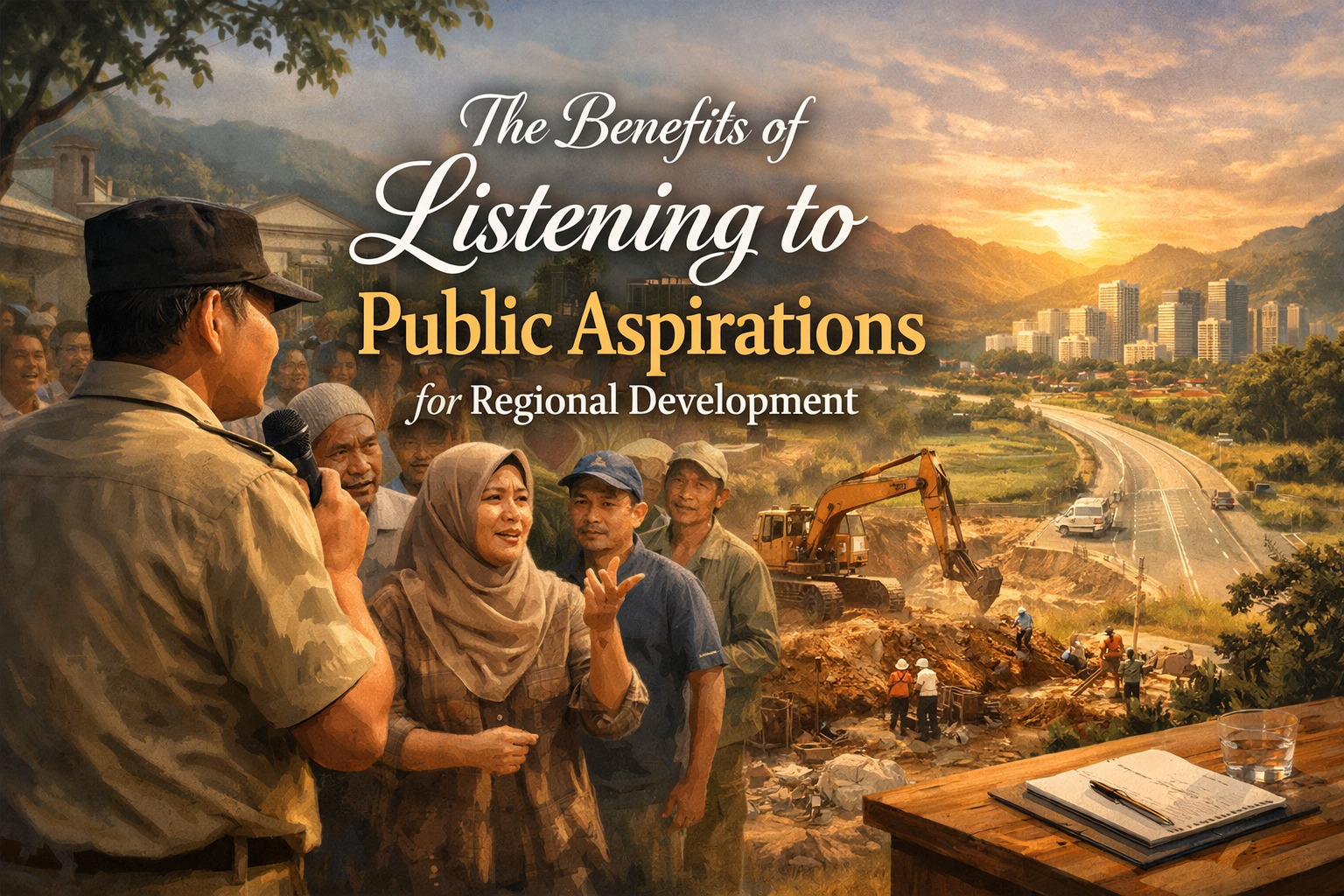
Regional development is most successful when it reflects the needs, expectations, and aspirations of the people who live in the area. Governments, local authorities, and policymakers cannot create sustainable progress without understanding what communities truly need. Public aspirations provide valuable insights into social, economic, environmental, and infrastructure priorities that directly affect people's daily lives. When these voices are heard and considered, development projects become more effective, inclusive, and beneficial for everyone.
Listening to citizens is no longer just a democratic practice but also a strategic approach to improving governance and accelerating regional growth. Through public consultations, community forums, surveys, and digital communication platforms, governments can collect meaningful feedback before implementing policies. This process helps ensure that development initiatives address real problems rather than assumptions. As a result, communities become active partners in creating a better future.
WHY PUBLIC ASPIRATIONS MATTER IN REGIONAL DEVELOPMENT
Public aspirations represent the ideas, concerns, and expectations that citizens express regarding their communities. These opinions provide decision-makers with a clearer understanding of local priorities and challenges. Instead of relying solely on administrative data, governments gain valuable perspectives directly from residents. This approach improves the quality of planning and policy implementation.
When people feel their opinions are respected, they become more willing to support government programs. Community participation increases because citizens recognize that their voices have a meaningful impact. Strong cooperation between governments and communities also strengthens public trust. Ultimately, listening to public aspirations creates a more responsive and people-centered development process.
IMPROVING THE QUALITY OF DEVELOPMENT PLANNING
Regional planning becomes more effective when it is based on accurate information from local communities. Regional development strategies that consider public input are more likely to solve real problems such as inadequate infrastructure, limited healthcare, poor education facilities, or transportation issues. Development resources can then be allocated more efficiently. This minimizes unnecessary spending and maximizes public benefits.
Public feedback also helps governments identify hidden challenges that may not appear in official reports. Every community has unique characteristics, and local residents often understand these conditions better than outside planners. Incorporating these insights leads to more practical and sustainable solutions. As a result, development plans become more realistic and achievable.
STRENGTHENING TRANSPARENCY AND PUBLIC TRUST
Transparency is essential for successful governance. When governments openly invite public participation, citizens understand how decisions are made and why certain projects receive priority. This openness reduces misunderstandings and encourages constructive dialogue. Communities become more confident in public institutions.
Listening to public aspirations also demonstrates accountability. Citizens appreciate leaders who are willing to receive criticism and suggestions for improvement. This creates stronger relationships between governments and residents while reducing conflicts during project implementation. Greater trust encourages long-term collaboration for future regional initiatives.
ENCOURAGING INCLUSIVE AND SUSTAINABLE GROWTH
Inclusive development ensures that every group within society has the opportunity to benefit from economic and social progress. Sustainable development requires attention to the needs of different communities, including rural populations, youth, women, older adults, and people with disabilities. Listening to diverse perspectives helps governments create policies that benefit a broader population. This reduces inequality across regions.
Community aspirations also contribute to environmental sustainability. Residents often understand local environmental issues such as flooding, waste management, water conservation, and green space preservation. Their suggestions can guide environmentally responsible development projects. Consequently, regional growth becomes balanced between economic progress and environmental protection.
ENHANCING PUBLIC SERVICES AND INFRASTRUCTURE
Many improvements in public services begin with community feedback. Citizens can identify weaknesses in healthcare, education, transportation, sanitation, and digital infrastructure that require immediate attention. Public aspirations provide governments with practical recommendations based on everyday experiences. This information helps prioritize projects that generate the greatest social impact.
Infrastructure development becomes more efficient because it reflects actual community needs rather than assumptions. Roads, schools, hospitals, and public facilities are more likely to serve the intended beneficiaries effectively. Better planning also reduces the risk of underutilized projects. Ultimately, communities experience a higher quality of life through improved public services.
THE ROLE OF DIGITAL TECHNOLOGY IN GATHERING PUBLIC ASPIRATIONS
Modern technology has transformed how governments collect and analyze public opinions. Online surveys, mobile applications, social media platforms, and digital consultation portals allow citizens to participate more conveniently. Community engagement becomes faster, broader, and more accessible regardless of geographical distance. Digital platforms also enable governments to receive feedback continuously rather than only during formal meetings.
Technology supports better data analysis by identifying common concerns and emerging trends among citizens. Decision-makers can evaluate thousands of responses efficiently and use the information to improve policies. Digital communication also strengthens transparency by allowing governments to share development progress openly. This creates an ongoing dialogue between public institutions and society.
CONCLUSION
Listening to public aspirations is one of the most effective ways to achieve successful regional development. Community voices provide valuable guidance for creating better policies, improving public services, strengthening transparency, and promoting sustainable growth. Governments that actively involve citizens in decision-making build stronger trust and encourage greater public participation. By valuing community input, regions can develop in ways that are more inclusive, efficient, and beneficial for present and future generations.
Tentang Penulis
Gusti Ayu Tita P
Penulis — Universitas STEKOM
Penulis aktif yang berfokus pada isu-isu akademik, teknologi pendidikan, dan pengembangan sumber daya manusia di lingkungan kampus.