The Growth of Creative Industries in the Technology Age
Gusti Ayu Tita P
19 Juni 2026
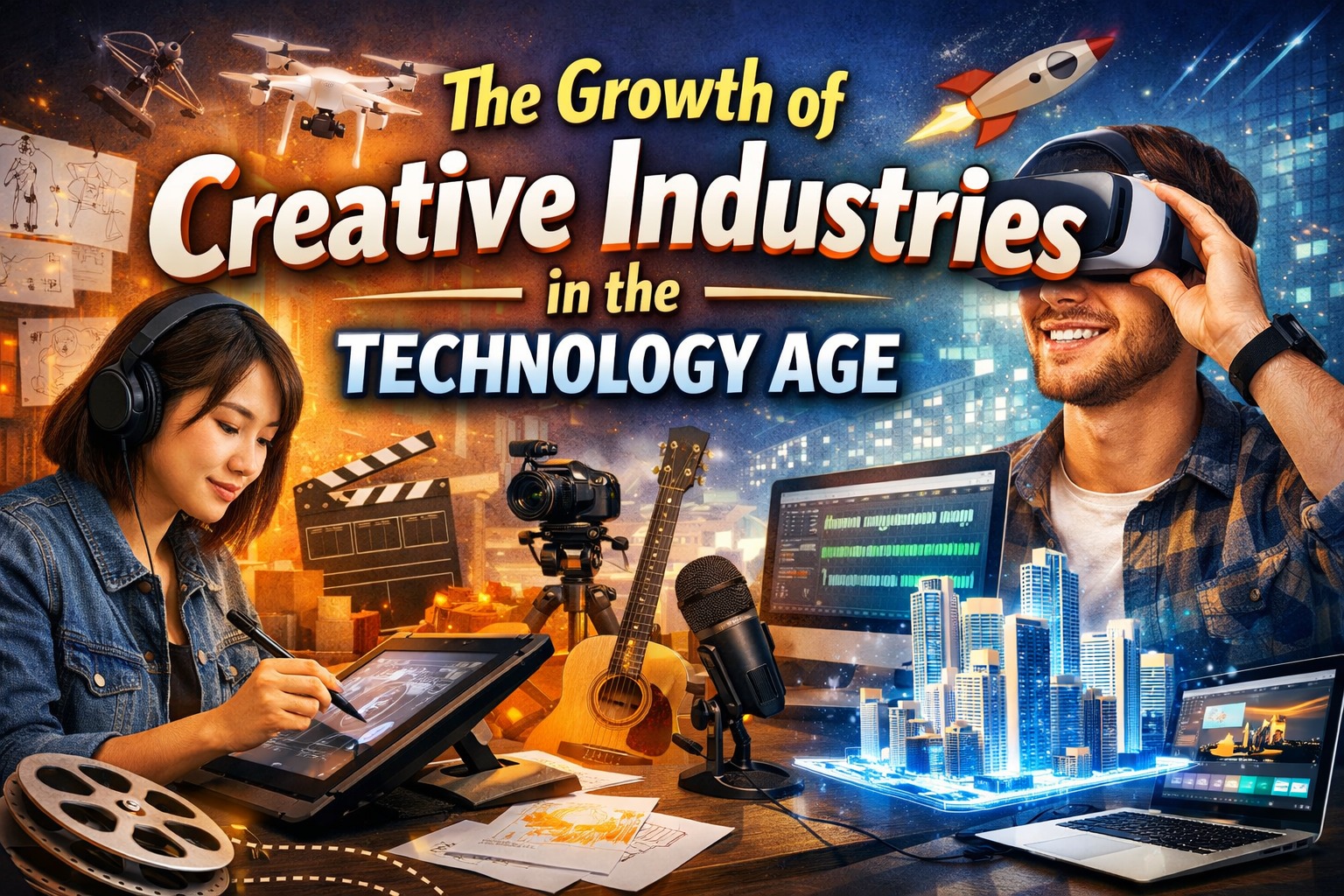
The creative industry has experienced rapid growth in the modern technology era. Advances in digital technology have changed the way people create, distribute, and consume creative content. Today, industries such as graphic design, digital marketing, animation, filmmaking, music production, gaming, and content creation continue to expand globally. The internet and social media have also opened wider opportunities for creative professionals to showcase their talent and build successful careers.
In the past, creative works were often limited by high production costs and restricted access to audiences. However, technology has made creative tools more affordable and easier to use. Many individuals can now start creative businesses with only a laptop, internet connection, and innovative ideas. This transformation has encouraged millions of people to participate in the creative economy.
THE ROLE OF TECHNOLOGY IN CREATIVE INDUSTRIES
Technology plays a very important role in supporting the growth of creative industries. Digital software allows creators to produce high-quality content more efficiently and quickly. Graphic designers use advanced editing tools, filmmakers rely on digital cameras and visual effects, while musicians use modern audio production software. These innovations help improve productivity and creativity in many sectors.
The rise of artificial intelligence, cloud computing, and automation has also created new possibilities for creative businesses. Companies can now analyze market trends faster and understand consumer preferences more accurately. As a result, creative products can be developed according to audience demand. Technology not only improves efficiency but also increases opportunities for innovation.
SOCIAL MEDIA AND DIGITAL PLATFORM IMPACT
Social media platforms have become powerful tools for creative professionals. Platforms such as video-sharing websites, online marketplaces, and streaming services allow creators to reach global audiences without traditional media support. Many independent artists and entrepreneurs have achieved success by building strong online communities. This digital exposure has significantly increased the popularity of creative industries worldwide.
Digital platforms also provide opportunities for direct interaction between creators and audiences. Consumers can give instant feedback, support creators financially, and share content with others. This interaction creates stronger engagement and helps creators improve their work continuously. The accessibility of digital platforms has transformed creative industries into highly competitive but rewarding markets.
CAREER OPPORTUNITIES IN CREATIVE INDUSTRIES
The growth of creative industries has created many promising career opportunities. Jobs in digital marketing, video editing, animation, web development, photography, and game design are increasingly in demand. Companies from different industries now require creative professionals to strengthen branding and online presence. This trend continues to grow as businesses rely more on digital communication.
Freelancing has also become a popular career path in the creative sector. Many professionals choose flexible work systems and collaborate with international clients through online platforms. Remote work technology allows creative workers to build careers without geographical limitations. As a result, creative industries offer both financial opportunities and personal freedom for modern workers.
CHALLENGES FACED BY CREATIVE INDUSTRIES
Despite rapid growth, creative industries also face several challenges. Competition in digital markets is becoming increasingly intense because many creators produce similar content. Creative professionals must constantly improve their skills and adapt to changing trends. Innovation and originality are necessary to remain competitive in the industry.
Another challenge is copyright protection and digital piracy. Creative content can easily be copied or distributed illegally online. This situation may reduce profits for creators and businesses. Therefore, governments and technology companies continue to develop stronger regulations and digital security systems to protect intellectual property rights.
THE FUTURE OF CREATIVE INDUSTRIES
The future of creative industries looks very promising as technology continues to evolve. Emerging technologies such as virtual reality, augmented reality, and artificial intelligence are expected to create new creative experiences for consumers. Businesses that combine creativity with technological innovation will likely dominate future markets. Creative industries are becoming one of the most important contributors to the global economy.
Education and skill development will also play an important role in future industry growth. Young people are encouraged to develop creative thinking, digital literacy, and communication skills to compete successfully. Governments and private companies are increasingly investing in creative economy programs to support innovation and entrepreneurship. With continuous technological advancement, creative industries will continue to expand and influence many aspects of daily life.
CONCLUSION
The growth of creative industries in the technology age has transformed the global economy and opened many new opportunities for individuals and businesses. Technology has made creative work more accessible, efficient, and profitable than ever before. Social media and digital platforms have allowed creators to reach worldwide audiences and build successful careers independently.
Although challenges such as competition and copyright issues still exist, the future of creative industries remains highly positive. Continuous innovation and technological development will further strengthen the role of creativity in modern society. By improving digital skills and embracing innovation, people can take advantage of the many opportunities offered by the creative economy.
Tentang Penulis
Gusti Ayu Tita P
Penulis — Universitas STEKOM
Penulis aktif yang berfokus pada isu-isu akademik, teknologi pendidikan, dan pengembangan sumber daya manusia di lingkungan kampus.